On this page
- How have India’s agro-exports performed amid U.S. tariffs and geopolitical tensions?
- What factors have contributed to South Africa’s record agricultural exports in 2025?
- How do tariffs impact agro-export resilience in India and South Africa?
- What logistical challenges influence current agro-export trends?
- What new trade opportunities are emerging in India and South Africa’s agro-export sectors?
- Key takeaways
- FAQ
In the evolving global agricultural export landscape of 2026, India and South Africa stand out for their impressive resilience. Despite facing tariffs, geopolitical disruptions, and logistics bottlenecks, both nations have demonstrated adaptive strategies, achieving growth and forging new trade partnerships that underscore their vital role in global agro-exports.
How have India’s agro-exports performed amid U.S. tariffs and geopolitical tensions?
India’s agricultural exports rose by 2.3% year-on-year during 2025-26, reaching $53.1 billion, despite facing U.S. tariffs on key products like spices and basmati rice. This growth highlights strong domestic production and expanding market access, such as the first fresh litchi exports from Punjab to Oman under the India-Oman CEPA.
However, exporters still face challenges such as a 7.5% decline in rice exports and a shortage of refrigerated containers influenced by West Asia maritime conflicts, which have increased freight costs and strained supply chains.
What factors have contributed to South Africa’s record agricultural exports in 2025?
South Africa’s agricultural exports soared to a record $15.1 billion in 2025, marking a 10% increase from 2024 despite global trade obstacles. This achievement was driven by strategic diversification of export markets and commodity mixes, as well as a trade surplus of $1.55 billion in Q1 2026 aided by lower import costs.
Nonetheless, exports to the U.S. fell sharply by 36% in late 2025 due to heightened tariffs, prompting South Africa to strengthen trade ties with other global regions to maintain growth momentum.
How do tariffs impact agro-export resilience in India and South Africa?
Tariffs imposed by key trading partners, notably the U.S., have significantly affected exports from both countries—India’s spices and basmati rice and South Africa’s key agricultural products saw reduced U.S. demand. However, diversification strategies and new trade agreements have mitigated these effects, highlighting resilience and adaptability in both markets.
What logistical challenges influence current agro-export trends?
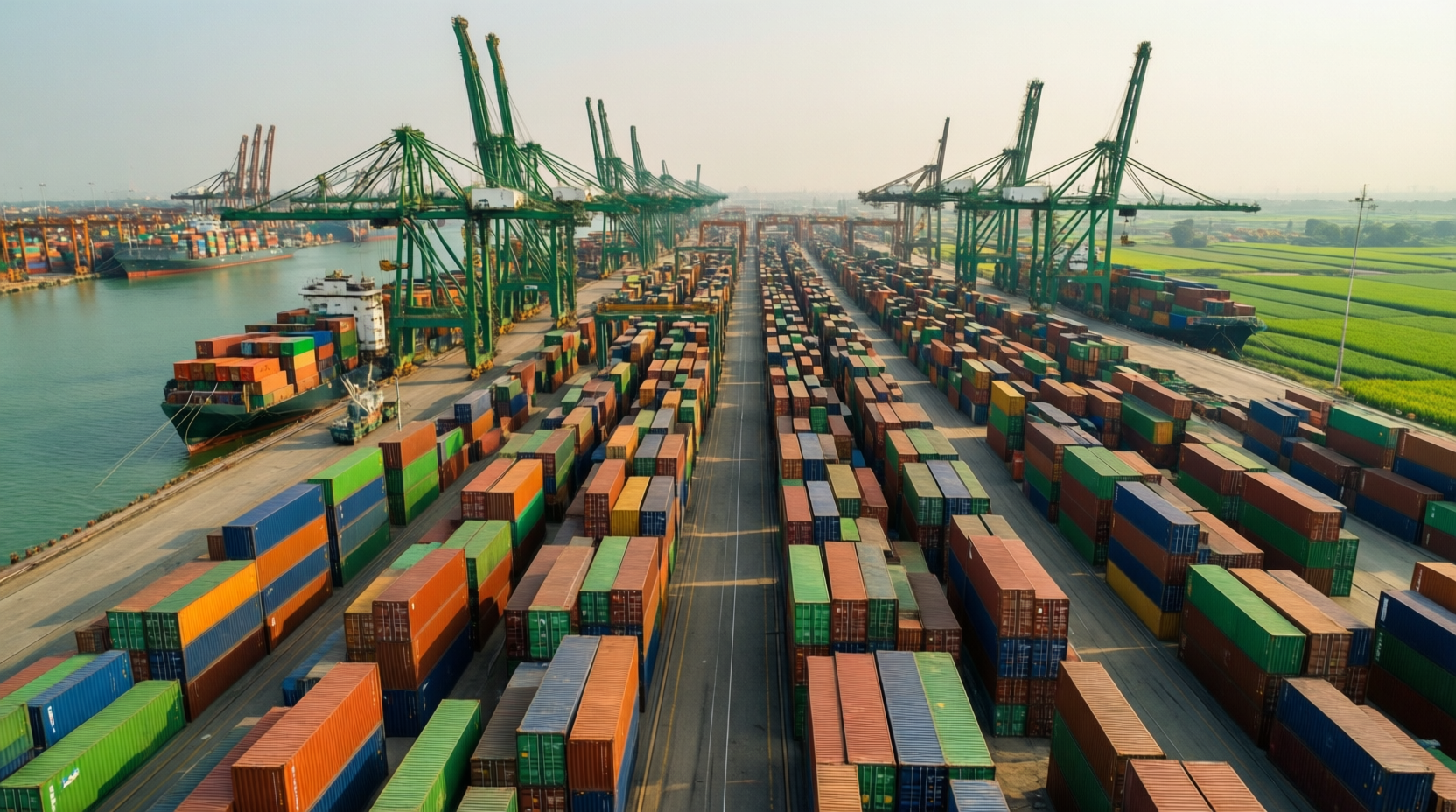
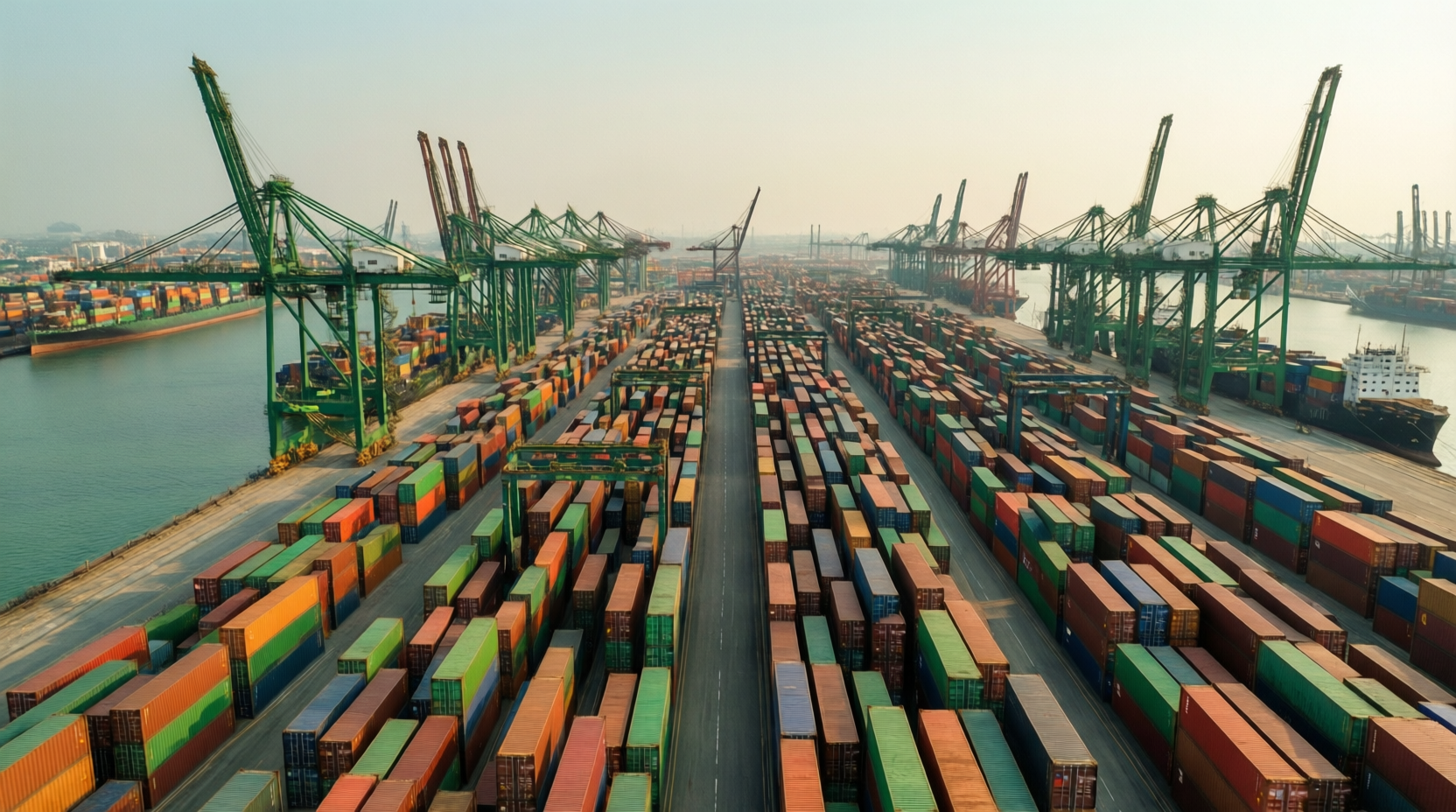
Geopolitical conflicts such as the West Asia war have disrupted maritime routes and contributed to a shortage of refrigerated containers, particularly impacting Indian mango exporters by increasing freight costs and delivery uncertainties. South Africa, while affected, has leveraged alternative logistics routes and improved storage to sustain export volumes.
What new trade opportunities are emerging in India and South Africa’s agro-export sectors?
India’s fresh litchi exports to Oman illustrate how comprehensive trade agreements (like CEPA) can open new markets for niche products. South Africa’s strategic push to diversify beyond traditional markets affected by tariffs reflects a broader trend toward resilience via market expansion and value addition.
"Despite steep tariffs and logistics hurdles, both India and South Africa demonstrate remarkable resilience by adapting export strategies and tapping emerging markets to sustain growth." – Dr. Ravi Shankar, International AgroTrade Expert
Exporters’ Insight
Understanding how geopolitical tensions and tariffs reshape agro-trade can help exporters anticipate challenges and innovate pathways to global markets.
Key takeaways
- India’s agricultural exports grew 2.3% in 2025-26 despite U.S. tariffs and logistical hurdles.
- South Africa achieved a record $15.1 billion agro-export turnover in 2025, with diversified markets reducing tariff impact.
- Geopolitical conflicts caused container shortages impacting India’s mango exports and increased freight costs globally.
- Trade agreements like India-Oman CEPA unlocked new export opportunities like Punjab’s fresh litchi shipments to Oman.
Frequently asked questions
How did U.S. tariffs affect India’s agricultural exports in 2026?
U.S. tariffs negatively impacted Indian spices and basmati rice exports but India still grew overall agro-export value by diversifying markets and products.
What caused South Africa’s decline in agro exports to the U.S. in late 2025?
Higher U.S. tariffs in Q4 2025 led South Africa to reduce exports there by 36%, prompting a shift to alternative markets.
How did logistical challenges affect Indian mango exporters?
The West Asia conflict disrupted shipping routes, causing refrigerated container shortages and higher freight costs for Indian mango exporters.
What new markets opened for India’s agricultural exports recently?
The India-Oman CEPA facilitated the first export of fresh litchis from Punjab to Oman, showcasing new trade partnership benefits.
How are South Africa’s agricultural exports maintaining growth despite global challenges?
By diversifying export commodities and markets and leveraging lower import costs, South Africa sustained record agro-export figures in 2025.
- Written and reviewed by our in-house trade experts — not AI-generated filler.
- Market figures come from live platform data across thousands of verified trades.
- Every buyer and supplier on The Trade Union is identity- and document-verified.
- Guides are updated as regulations and market conditions change.