On this page
- How does Ethiopia’s Green Legacy Initiative enhance agricultural sustainability?
- What is the expected impact of the Green Legacy on Ethiopia’s agricultural export growth?
- How does the initiative align with global environmental certifications relevant to agro-exports?
- Can tree planting efforts reduce Ethiopia’s carbon footprint in agriculture?
- What challenges might Ethiopia face in sustaining the Green Legacy’s export benefits?
- How does Ethiopia’s Green Legacy compare with other African agro-export trends?
- What opportunities exist for international buyers interested in Ethiopia’s Green Legacy products?
- Key takeaways
- FAQ
In 2026, Ethiopia launched a ground-breaking environmental endeavor as part of its Green Legacy Initiative, aiming to plant more than 8 billion seedlings during the rainy season. This vast reforestation effort is not only an ecological milestone but also a strategic boost to the agricultural sector, which recently recorded export revenue of US$4.55 billion. Understanding how this green push influences Ethiopia’s agricultural exports and sustainability credentials offers critical insights for global buyers and exporters alike.
How does Ethiopia’s Green Legacy Initiative enhance agricultural sustainability?
The Green Legacy Initiative focuses on restoring degraded lands and improving soil fertility through massive tree planting. This naturally regenerates watersheds, reduces erosion, and enhances microclimates essential for crop health. Such environmental regeneration supports sustainable farming practices, allowing Ethiopian farmers to maintain or increase yields with fewer chemical inputs, thereby lowering environmental footprints in export commodities.
What is the expected impact of the Green Legacy on Ethiopia’s agricultural export growth?
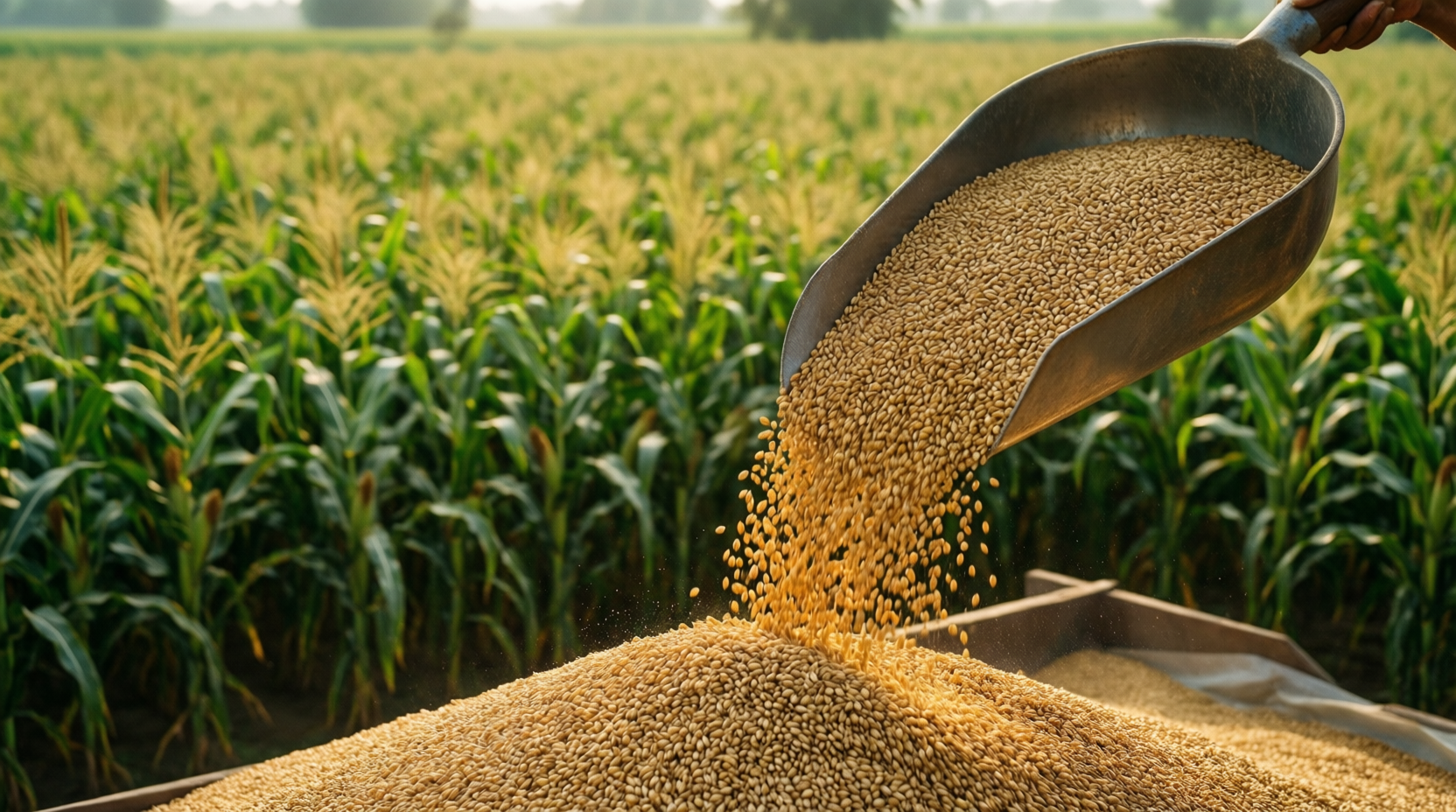
By improving land productivity and biodiversity, Ethiopia can produce higher-quality and greater volumes of export crops such as coffee, spices, pulses, and oilseeds. Since the agricultural sector contributed a record US$4.55 billion in export revenue during the 2025/26 fiscal year, the Green Legacy’s success in boosting yields and crop quality directly supports export growth. Moreover, healthier ecosystems reduce risks of crop failure, stabilizing supply chains for international buyers.
How does the initiative align with global environmental certifications relevant to agro-exports?
Global buyers increasingly demand sustainability certifications such as Rainforest Alliance, Organic, and Fair Trade for agricultural imports. The Green Legacy’s focus on reforestation and ecosystem restoration helps Ethiopian farmers meet criteria related to biodiversity conservation and sustainable land management. This alignment strengthens Ethiopia’s competitiveness in premium segments of the global market that reward environmental stewardship.
Can tree planting efforts reduce Ethiopia’s carbon footprint in agriculture?
Yes, extensive tree planting increases carbon sequestration, offsetting emissions from agricultural activities and supporting Ethiopia’s commitments under the Paris Agreement. Demonstrating effective carbon management enhances the country’s appeal to importers focusing on low-carbon supply chains, potentially unlocking carbon credit revenues and facilitating green agro-export branding.
What challenges might Ethiopia face in sustaining the Green Legacy’s export benefits?
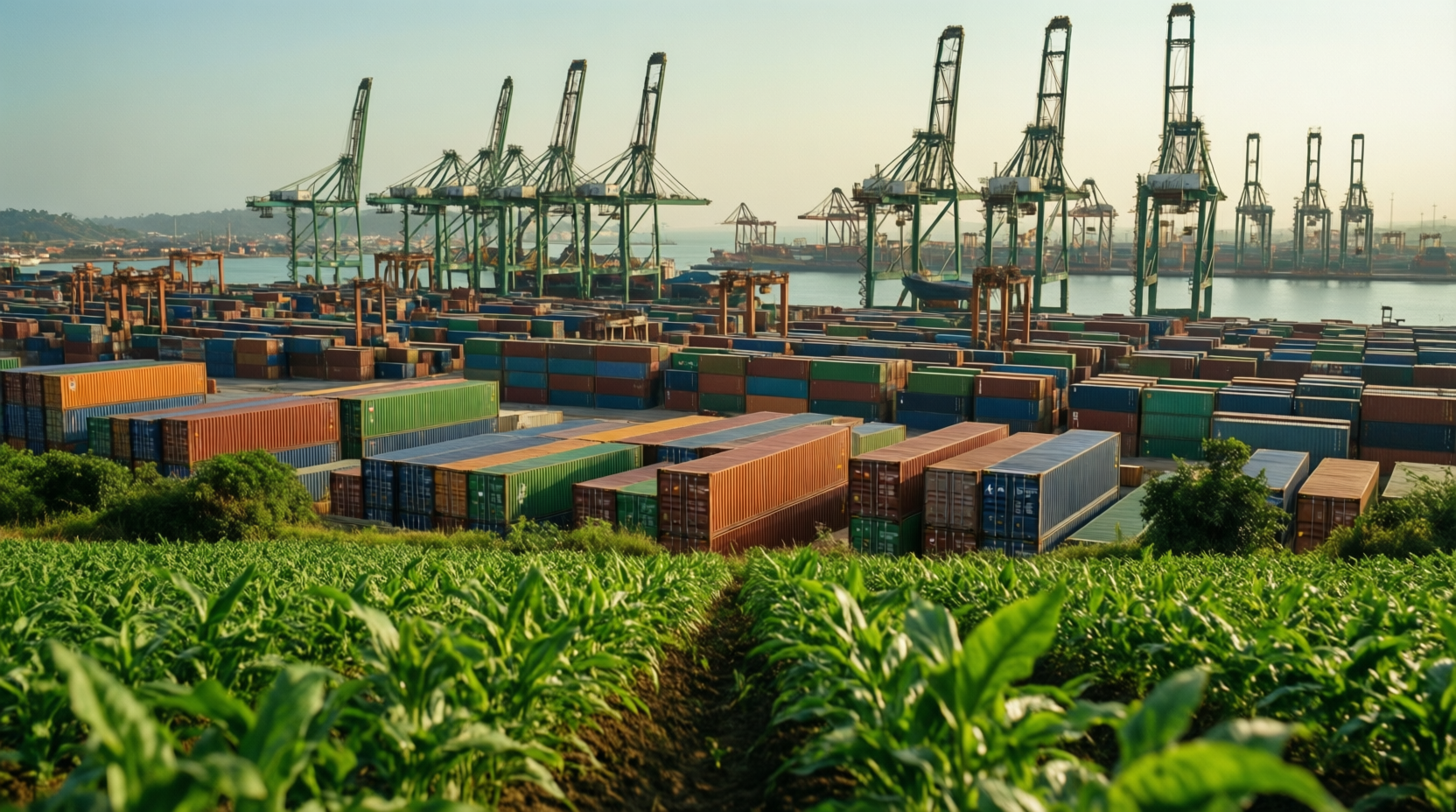
Maintaining seedling survival rates, ensuring ongoing community engagement, and integrating tree planting with crop production are critical challenges. Additionally, export logistics and infrastructure must keep pace with production gains to avoid bottlenecks. Support from government bodies like the Ethiopian Horticulture Producer Exporters Association (EHPEA) and trade facilitation programs will be essential in overcoming these hurdles.
How does Ethiopia’s Green Legacy compare with other African agro-export trends?
While countries like South Africa have increased agricultural exports to record levels with a focus on fruits and nuts, Ethiopia’s approach uniquely integrates ecological restoration with export growth strategies. This could position Ethiopia as a leader in sustainable agro-exports in Africa, complementing regional efforts and responding to rising global demand for sustainably produced commodities.
What opportunities exist for international buyers interested in Ethiopia’s Green Legacy products?
- Access to agro-products aligned with robust sustainability practices and certifications
- Potential for long-term supply stability owing to improved environmental conditions
- Collaborations in carbon offset projects linked to tree planting efforts
- Engagements with Ethiopian exporters leveraging government-backed green initiatives
"The Green Legacy Initiative not only revitalizes Ethiopia’s landscapes but also plants the seeds for a sustainable export future that meets the expectations of conscientious global markets." — Industry Expert on Ethiopian Agro-Exports
Exporter Action Point
Exporters should integrate Green Legacy sustainability credentials into their marketing and compliance documentation to capitalize on premium value segments and new markets demanding environmental accountability.
Key takeaways
- Ethiopia’s Green Legacy Initiative plants over 8 billion seedlings, restoring ecosystems crucial for sustainable agriculture.
- Improved soil health and biodiversity under the initiative support higher quality and quantity of agricultural exports.
- Alignment with global sustainability certifications enhances Ethiopia’s export market access and premium positioning.
- Challenges include seedling survival and export infrastructure that require ongoing stakeholder collaboration.
Frequently asked questions
What is the Ethiopia Green Legacy Initiative?
It is a large-scale environmental program launched by Ethiopia to plant over 8 billion seedlings to restore degraded lands and promote sustainability.
How does tree planting affect Ethiopia’s agricultural exports?
Tree planting restores soil fertility and microclimates, boosting crop yields and quality that contribute to export growth.
Are products from Ethiopia’s Green Legacy initiative certified sustainably?
The initiative supports meeting criteria for certifications like Rainforest Alliance and Organic by enhancing biodiversity and land management.
What export sectors benefit most from the Green Legacy?
Coffee, spices, pulses, and oilseeds sectors benefit significantly due to improved growing conditions and sustainability credentials.
How can exporters leverage the Green Legacy in international markets?
Exporters can highlight sustainability achievements in marketing, meet certification standards, and tap into premium markets focused on environmental responsibility.
- Written and reviewed by our in-house trade experts — not AI-generated filler.
- Market figures come from live platform data across thousands of verified trades.
- Every buyer and supplier on The Trade Union is identity- and document-verified.
- Guides are updated as regulations and market conditions change.