On this page
- How has Russia increased its agricultural exports to Africa in 2026?
- What characterizes India’s maize export strategy to Africa this year?
- Which African countries are key importers for Russia and India respectively?
- How do trade agreements impact India’s export competitiveness?
- What challenges might exporters face in navigating the African agricultural markets?
- How is demand for agricultural imports evolving in Africa amid these export shifts?
- What logistical considerations affect Russia and India’s export efficiency to Africa?
- What are the outlooks for Russia and India in the African agro-export competition moving forward?
- Key takeaways
- FAQ
Africa's agricultural import scene is experiencing a notable shift in 2026 as Russia dramatically ramps up exports while India gains traction with its maize shipments. This evolving landscape reflects strategic moves by both countries to secure their foothold in Africa's growing agro market amid changing demand and trade policies.
How has Russia increased its agricultural exports to Africa in 2026?
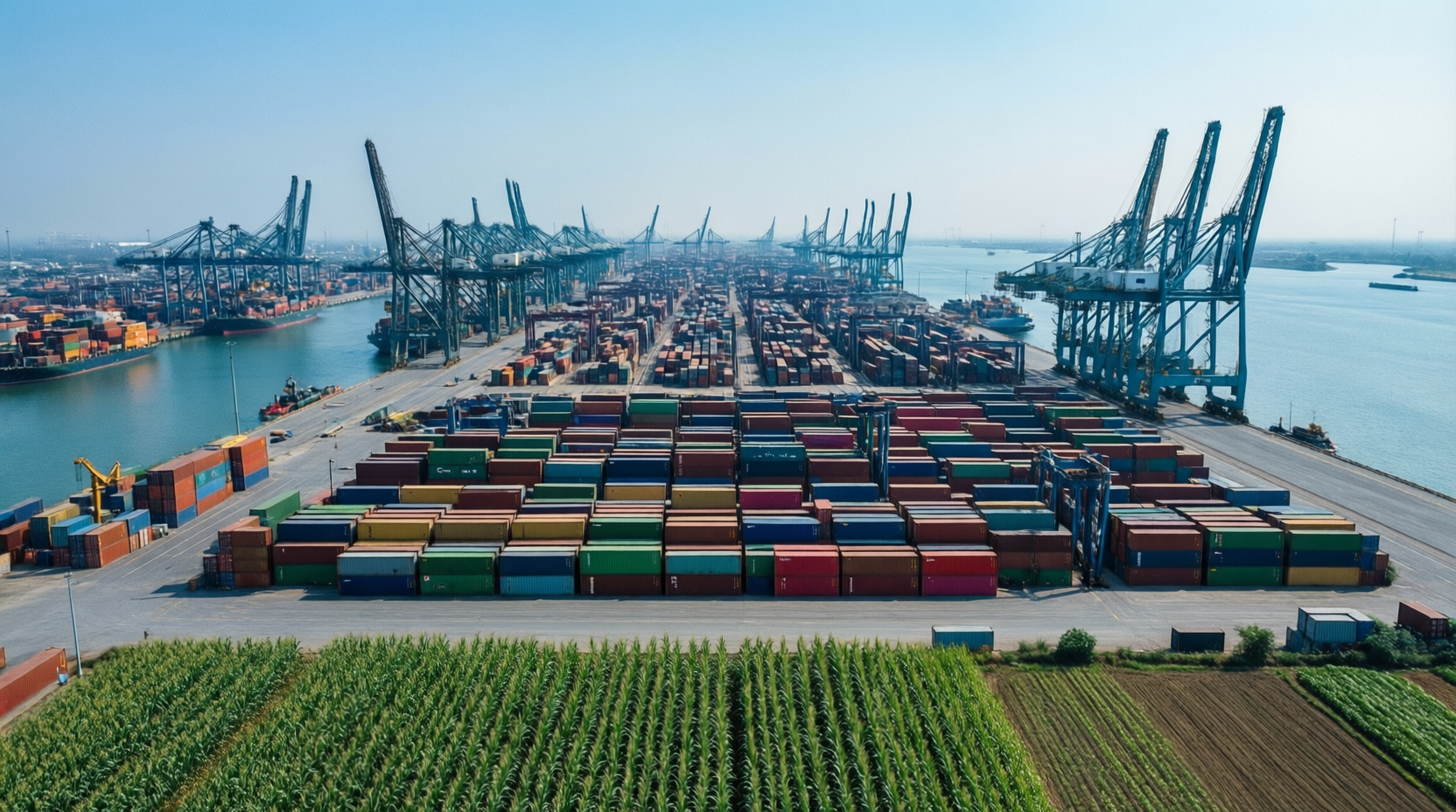
Russia’s agricultural exports to Africa jumped by 1.4 times in the first half of 2026, reaching 11 million tonnes. This surge is driven largely by bulk commodity shipments, with Egypt emerging as the largest importer. Russia leverages its capacity to supply staple crops at scale, benefitting from existing trade infrastructure and competitive pricing amid global supply uncertainties.
What characterizes India’s maize export strategy to Africa this year?
India’s maize exports in 2026 are heading towards a three-year high, propelled by competitive pricing and growing demand across African markets. The India-UK Comprehensive Economic and Trade Agreement (CETA) also enhances export prospects, supporting Indian exporters in expanding their presence, particularly with quality maize suited for food processing sectors.
Which African countries are key importers for Russia and India respectively?
Egypt stands out as Russia’s largest agricultural commodity buyer in Africa, absorbing much of its export volume. India's maize exports, meanwhile, target diverse markets including South Africa and other food-processing hubs, capitalizing on competitive pricing and regional demand variability to carve niche supply corridors.
How do trade agreements impact India’s export competitiveness?
The recent India-UK CETA agreement reduces tariffs on Indian agricultural products, including maize, facilitating more cost-effective exports. This boosts competitiveness against other suppliers and encourages exporters to meet stringent quality and documentation standards to leverage these benefits fully.
What challenges might exporters face in navigating the African agricultural markets?
Exporters must contend with fluctuating policies like Morocco’s tomato export freeze and Liberia’s raw rubber ban, impacting supply channels. Logistical bottlenecks such as Port of Cape Town congestion also affect delivery timelines. Additionally, local processing incentives, as in Nigeria’s cocoa sector, require exporters to adapt to value addition trends within Africa.
How is demand for agricultural imports evolving in Africa amid these export shifts?
African agro-import demand is growing, driven by population growth and industrialization initiatives like Nigeria’s Afreximbank-backed programs. This fuels appetite for staples like maize, rice, and pulses, while also opening potential for niche products such as organic fruits. Importers seek diversified suppliers to mitigate risks, creating openings for both Russian bulk exporters and Indian value-driven entrants.
Quote from Trade Expert
"Russia’s pivot to volume-driven agricultural exports in Africa complements India’s focused maize strategy, together shaping a dynamic and competitive environment that African importers can benefit from through greater supply diversity." – Anjali Menon, Agro Trade Specialist
What logistical considerations affect Russia and India’s export efficiency to Africa?
- Russia’s ability to deliver large consignments depends on stable routes to North African ports, primarily in Egypt.
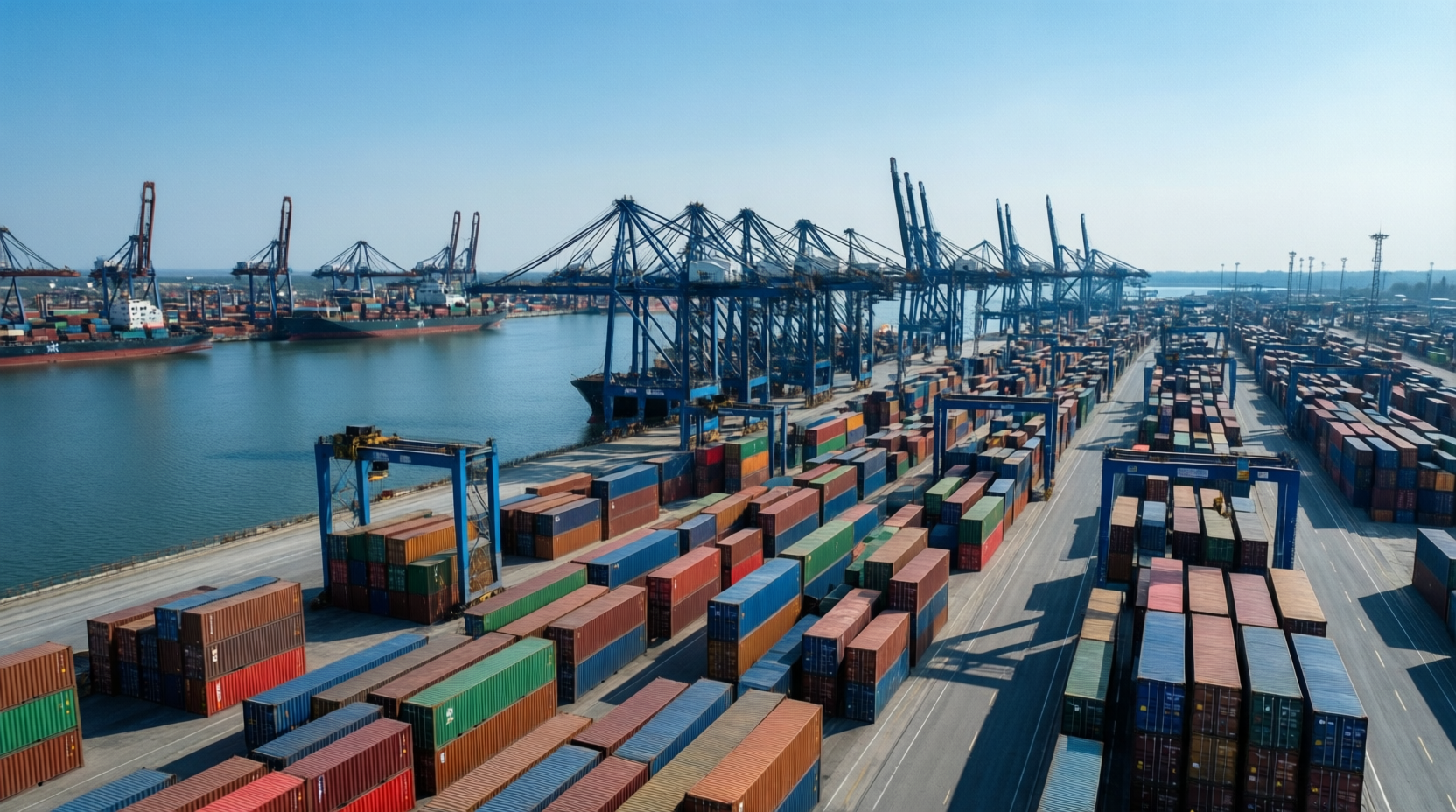
- India’s maize exports leverage maritime routes through South African ports, requiring efficient clearance and port handling.
- Both exporters must navigate infrastructure constraints and seasonal weather impacts on shipment schedules.
Strategic Insight
Optimizing supply chains and partnering with reliable local distributors are critical for sustaining growth in Africa’s diverse agro markets.
What are the outlooks for Russia and India in the African agro-export competition moving forward?
Russia is positioned to maintain its strong presence through bulk commodity exports, bolstered by steady demand in North Africa. India’s export growth trajectory, supported by trade agreements and targeted crops like maize and basmati rice, suggests expanding influence in both East and Southern African markets. The evolving patterns indicate intensifying competition but also opportunities for complementary supply roles amid Africa’s rising agricultural import needs.
Key takeaways
- Russia increased its agricultural exports to Africa by 1.4 times in early 2026, focused on large-scale commodities with Egypt as a key market.
- India’s maize exports to Africa are nearing a three-year peak, boosted by competitive pricing and advantageous trade agreements like the India-UK CETA.
- African agro import demand is growing, driven by demographics and industrialization, inviting diverse suppliers.
- Logistical, regulatory, and market policy challenges require adaptive export strategies for success in Africa’s varied agro markets.
Frequently asked questions
Why has Russia's agricultural export to Africa increased sharply in 2026?
Russia's exports surged due to expanded bulk commodity shipments and strong demand from countries like Egypt, leveraging competitive pricing and established trade routes.
What makes India's maize exports competitive in African markets?
India’s maize benefits from attractive pricing, improved quality standards, and reduced tariffs under trade deals such as the India-UK CETA, making it appealing to African importers.
Which African countries are primary importers of Russian and Indian agricultural goods?
Egypt is a leading importer of Russian agricultural products, while Indian maize targets diverse countries including South Africa and other food-processing hubs.
How do African policies impact these export strategies?
Exporters face challenges like export bans or freezes on certain commodities, pushing them to diversify offerings and comply with local market regulations to maintain competitiveness.
What logistics challenges affect exporting agricultural products to Africa?
Port congestion, infrastructure limitations, and seasonal disruptions can affect timely delivery, requiring efficient supply chain management for both Russian and Indian exporters.
- Written and reviewed by our in-house trade experts — not AI-generated filler.
- Market figures come from live platform data across thousands of verified trades.
- Every buyer and supplier on The Trade Union is identity- and document-verified.
- Guides are updated as regulations and market conditions change.