On this page
- What is the West Africa cocoa alliance and what has it achieved so far?
- How will the raw cocoa export ban affect global cocoa supply and demand?
- What opportunities does cocoa value addition present for West African exporters?
- What challenges might arise from the alliance’s implementation?
- How will regional cocoa branding efforts evolve with this alliance?
- What impacts can Indian agri-exporters anticipate from these shifts in West African cocoa trade?
- How does this alliance align with broader African industrialisation goals?
- Key takeaways
- FAQ
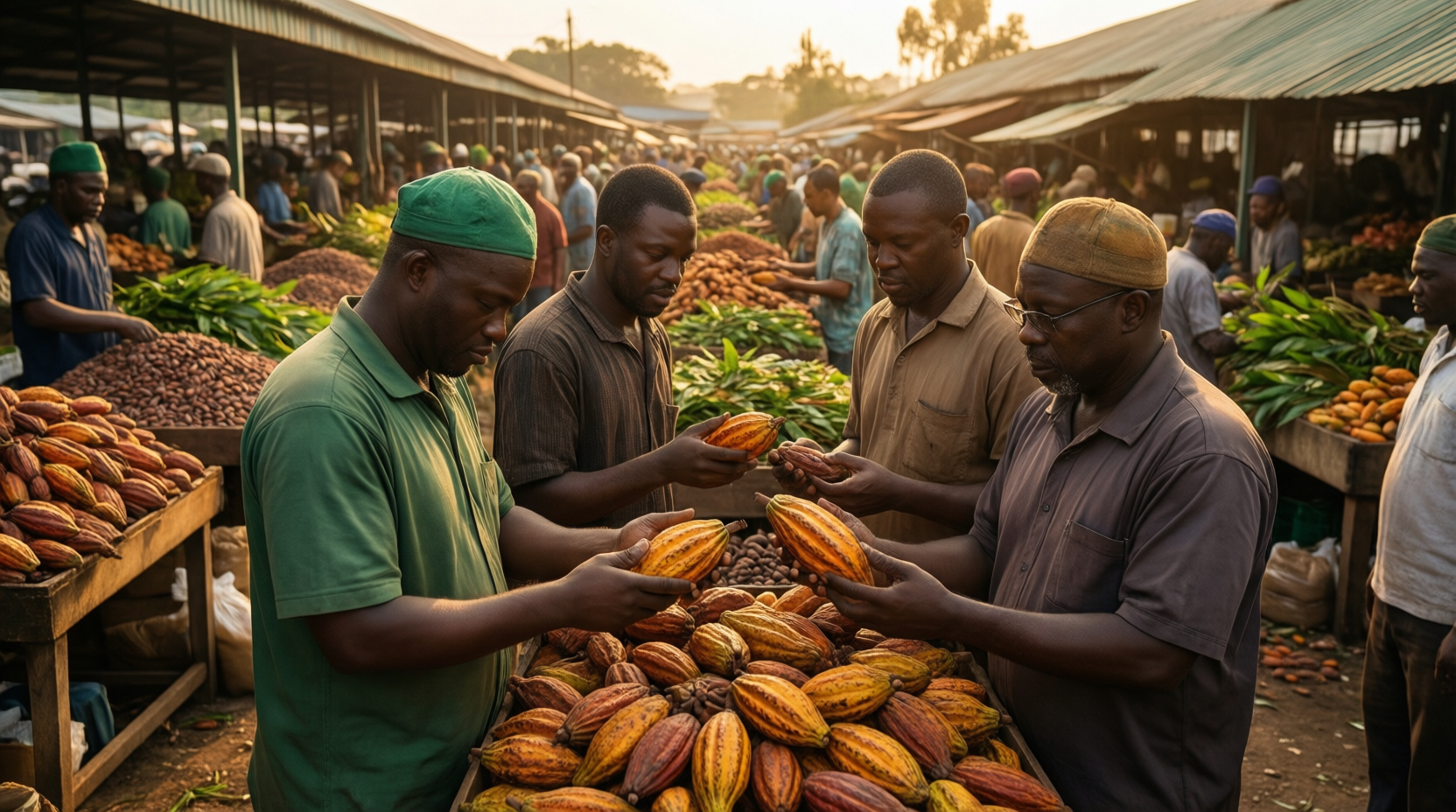
In a landmark move shaking up the global cocoa trade, Nigeria, Ghana, Côte d’Ivoire, and Cameroon have united to form a cocoa alliance aimed at ending raw cocoa bean exports. This collective step marks a strategic effort to transform these West African nations from raw commodity exporters into global leaders in cocoa value addition and branding.
What is the West Africa cocoa alliance and what has it achieved so far?
The alliance, formalized under the Abuja Declaration, commits the four leading cocoa-producing countries—Nigeria, Ghana, Côte d’Ivoire, and Cameroon—to suspend exports of raw cocoa beans starting mid-2026. Instead, they aim to develop robust domestic processing industries, producing semi-finished and finished cocoa products for export markets. Early achievements include coordinated policy frameworks supporting local cocoa processors, harmonized quality standards, and a commitment to jointly promote regional cocoa brands internationally.
How will the raw cocoa export ban affect global cocoa supply and demand?
By halting raw cocoa exports, these countries reduce the global availability of unprocessed cocoa beans, creating short-term supply constraints for international chocolate manufacturers reliant on African raw beans. This shift could increase prices for raw cocoa on commodity markets and incentivize importing countries to seek cocoa from alternative origins or suppliers. However, over time, the supply chain may adjust as processed African cocoa products gain market share, transforming demand from beans to finished goods.
What opportunities does cocoa value addition present for West African exporters?
- Increased export earnings through higher-value processed products like cocoa liquor, butter, and powder.
- Job creation and industrial growth within the region’s agro-processing sectors.
- Greater control over branding and quality standards, enhancing competitiveness.
- Mitigation of vulnerabilities to raw commodity price volatility by diversifying product portfolios.
What challenges might arise from the alliance’s implementation?
- Insufficient processing infrastructure capacity to absorb entire raw cocoa output immediately.
- Need for substantial investment in technology, skills, and logistics for quality processing.
- Risk of illicit raw cocoa exports undermining alliance goals and market credibility.
- Potential pushback from global buyers accustomed to raw bean sourcing practices.
How will regional cocoa branding efforts evolve with this alliance?
The alliance fosters a unified approach to branding ‘West African Cocoa’ as a premium-quality product from farm to finished good. Collaborative marketing campaigns, protected geographical indications, and shared quality certifications are planned to build consumer recognition and preference in international markets. This regional branding aims to distinguish West African cocoa products through provenance, sustainability, and artisanal processing attributes.
"The alliance is more than a trade policy; it is a strategic leap towards industrialising cocoa production and securing Africa’s place at the forefront of the global chocolate industry." – Trade expert on West African cocoa policy
What impacts can Indian agri-exporters anticipate from these shifts in West African cocoa trade?
Indian exporters should monitor these changes as they could alter global cocoa bean availability, affect pricing structures, and reshape supplier networks. Opportunities may arise for Indian companies engaged in cocoa processing equipment, specialty chocolate production, or supply chain services aiming to partner with West African processors. Furthermore, awareness of evolving trade regulations and certifications tied to West African cocoa is vital for importers and traders.
How does this alliance align with broader African industrialisation goals?
The cocoa alliance complements continental efforts like Afreximbank’s drive for economic sovereignty through industrialisation and strengthened intra-African trade. By fostering value addition and regional cooperation, the alliance exemplifies practical implementation of Africa’s vision for inclusive trade, manufacturing growth, and reduced dependence on raw commodity exports.
Actionable insight for exporters:
Exporters adapting to this new landscape should prioritize partnerships with West African processors, stay informed on regulatory shifts like the Abuja Declaration, and explore opportunities in cocoa bean processing, specialty chocolate, and African cocoa branding initiatives.
Key takeaways
- Nigeria, Ghana, Côte d’Ivoire, and Cameroon formed a cocoa alliance to end raw cocoa bean exports to promote local processing.
- The export ban will tighten global raw cocoa supply, impacting commodity prices and supply chains.
- Value addition in cocoa processing offers economic and employment benefits to West Africa.
- Challenges include developing processing capacity and preventing illicit exports.
- Regional branding of West African cocoa products will increase market visibility and competitiveness.
Frequently asked questions
What is the raw cocoa export ban initiated by West African countries?
Nigeria, Ghana, Côte d’Ivoire, and Cameroon have agreed to halt raw cocoa bean exports starting in 2026 to boost domestic processing and value addition.
How will the cocoa alliance affect global chocolate manufacturers?
Chocolate makers may face reduced availability of raw cocoa beans in the short term, potentially causing price increases and supply chain adjustments.
What benefits does cocoa value addition bring to West African economies?
Value addition enhances export revenues, creates jobs, diversifies products, and strengthens the region’s position in global markets.
Are there risks associated with ending raw cocoa exports?
Yes, challenges include limited processing infrastructure and the threat of unofficial raw bean exports undermining efforts.
How can exporters outside West Africa respond to this development?
They should seek partnerships with African cocoa processors, monitor trade policies, and explore opportunities linked to West African cocoa products and branding.
- Written and reviewed by our in-house trade experts — not AI-generated filler.
- Market figures come from live platform data across thousands of verified trades.
- Every buyer and supplier on The Trade Union is identity- and document-verified.
- Guides are updated as regulations and market conditions change.