On this page
- How will China’s market opening impact demand for African coffee beans?
- What are the forecasted trends for China’s coffee imports through 2027?
- How might African coffee exporters benefit from China's new phytosanitary rules?
- What are the expected trends in coffee prices linked to this market opening?
- What logistical challenges could affect African coffee exports to China?
- How does China’s market opening influence global coffee trade patterns?
- What competitive factors should African exporters consider?
- Key takeaways
- FAQ
In mid-2026, China opened its coffee bean market to imports from 53 African countries, a strategic move that reshapes trade relations and market dynamics. This development stands to significantly influence demand patterns, prices, and export opportunities for African coffee producers over the coming years.
How will China’s market opening impact demand for African coffee beans?
China’s lifting of import restrictions on coffee beans from all African nations introduces a sizable new consumer base for African coffee exporters. This market expansion is projected to increase demand significantly, as Chinese consumption of coffee grows with rising urbanization and changing lifestyle preferences. The trade relationship enhancement—highlighted by streamlined phytosanitary frameworks—facilitates easier entry for African coffee, boosting volume imports.
What are the forecasted trends for China’s coffee imports through 2027?
Based on current consumption growth rates and trade announcements, China’s coffee imports are forecasted to increase annually by approximately 10-15%, driven largely by African origin beans. This momentum is expected to sustain through 2027 as domestic demand rises and coffee culture matures. However, global supply factors and competitive pricing from other origins will influence import volumes.
How might African coffee exporters benefit from China's new phytosanitary rules?
China’s updated phytosanitary regulations simplify import procedures for African coffee by reducing bureaucratic hurdles and clarifying residue and pest control standards. Exporters complying with these standards can expect smoother customs clearance and lower compliance costs, enhancing their competitiveness in the Chinese market.
What are the expected trends in coffee prices linked to this market opening?
The entry of African coffee beans into China's vast market is likely to create upward pressure on African coffee prices due to increased demand. However, price volatility may also occur as African exporters compete with established origins like Latin America. In the near term, premium specialty African coffees could command higher prices while bulk exports may face competitive pricing dynamics.
What logistical challenges could affect African coffee exports to China?
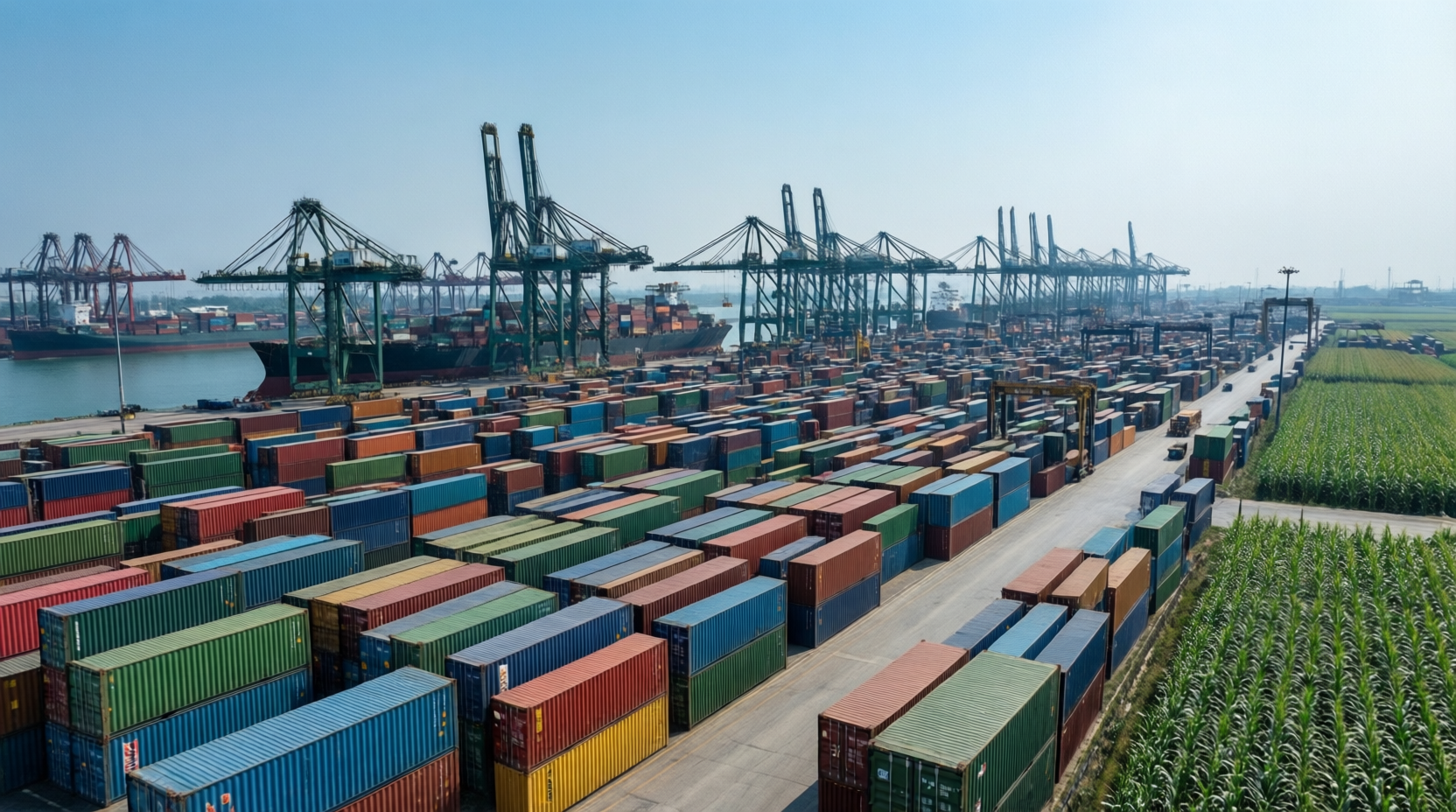
African exporters may encounter logistical challenges such as limited port capacity, shipping route inefficiencies, and inland transport constraints impacting timely delivery to Chinese markets. Lessons from South African agricultural exports signal the need for diversified port usage and investment in cold chain logistics to preserve bean quality during transit.
How does China’s market opening influence global coffee trade patterns?
China’s large-scale import policy change creates a new demand center, potentially shifting global coffee trade flows. African coffee’s growing share may challenge traditional suppliers and encourage supply chain realignments. This could prompt increased investment in African production capacity and foster strategic partnerships with Chinese importers and roasters.
What competitive factors should African exporters consider?
- Competition from Latin American and Southeast Asian coffee origins already established in China.
- The need for consistent quality and adherence to Chinese import standards to secure market share.
- Potential tariff and non-tariff measures that could arise amid evolving trade policies.
- Building brand recognition for African coffee to leverage unique origin appeal.
"China's market opening to African coffee beans marks a pivotal opportunity to elevate the continent's coffee exports and integrate into one of the fastest-growing coffee markets globally."
Strategic Advice for African Coffee Exporters
Exporters should focus on certifying quality, optimizing logistics, and aligning with China’s regulatory requirements to capitalize on the expanding demand through 2027.
Key takeaways
- China’s 2026 opening of its coffee market to 53 African countries is forecasted to boost African coffee demand significantly through 2027.
- New phytosanitary regulations in China will streamline African coffee bean imports, reducing trade barriers.
- Increased demand from China is expected to drive up prices for African coffee while influencing global coffee trade dynamics.
- Logistical and competitive challenges remain critical for African exporters to address to maximize this opportunity.
Frequently asked questions
Why has China opened its market to coffee beans from 53 African countries?
To strengthen trade ties, meet rising domestic coffee demand, and diversify supply sources by leveraging Africa’s growing coffee production.
What impact will this market opening have on African coffee prices?
Demand growth in China is expected to raise African coffee prices, especially for high-quality specialty beans, though bulk beans may face pricing competition.
What new regulations affect African coffee exports to China?
China introduced streamlined phytosanitary regulations in 2026, simplifying import permits and residue standards to facilitate African coffee bean imports.
How can African exporters prepare for increased demand from China?
By ensuring compliance with Chinese import standards, investing in logistics, maintaining consistent quality, and promoting their coffee origins.
- Written and reviewed by our in-house trade experts — not AI-generated filler.
- Market figures come from live platform data across thousands of verified trades.
- Every buyer and supplier on The Trade Union is identity- and document-verified.
- Guides are updated as regulations and market conditions change.