On this page
- What is driving the increased demand for African hibiscus in Brazil?
- How is shea butter demand evolving in the Brazilian market?
- What are the current export price trends for shea butter?
- How reliable are the forecasts for African hibiscus export growth?
- Which logistics channels are facilitating these export enhancements?
- What role do certifications play in market access and pricing?
- What challenges could affect future demand and pricing trends?
- Key takeaways
- FAQ
Emerging agro-trade collaborations between Nigeria and Brazil mark a pivotal shift for African exporters of hibiscus and shea butter. This blog examines how new bilateral agreements are shaping demand forecasts and pricing dynamics for these commodities, positioning exporters to capitalize on expanding South American markets and beyond.
What is driving the increased demand for African hibiscus in Brazil?
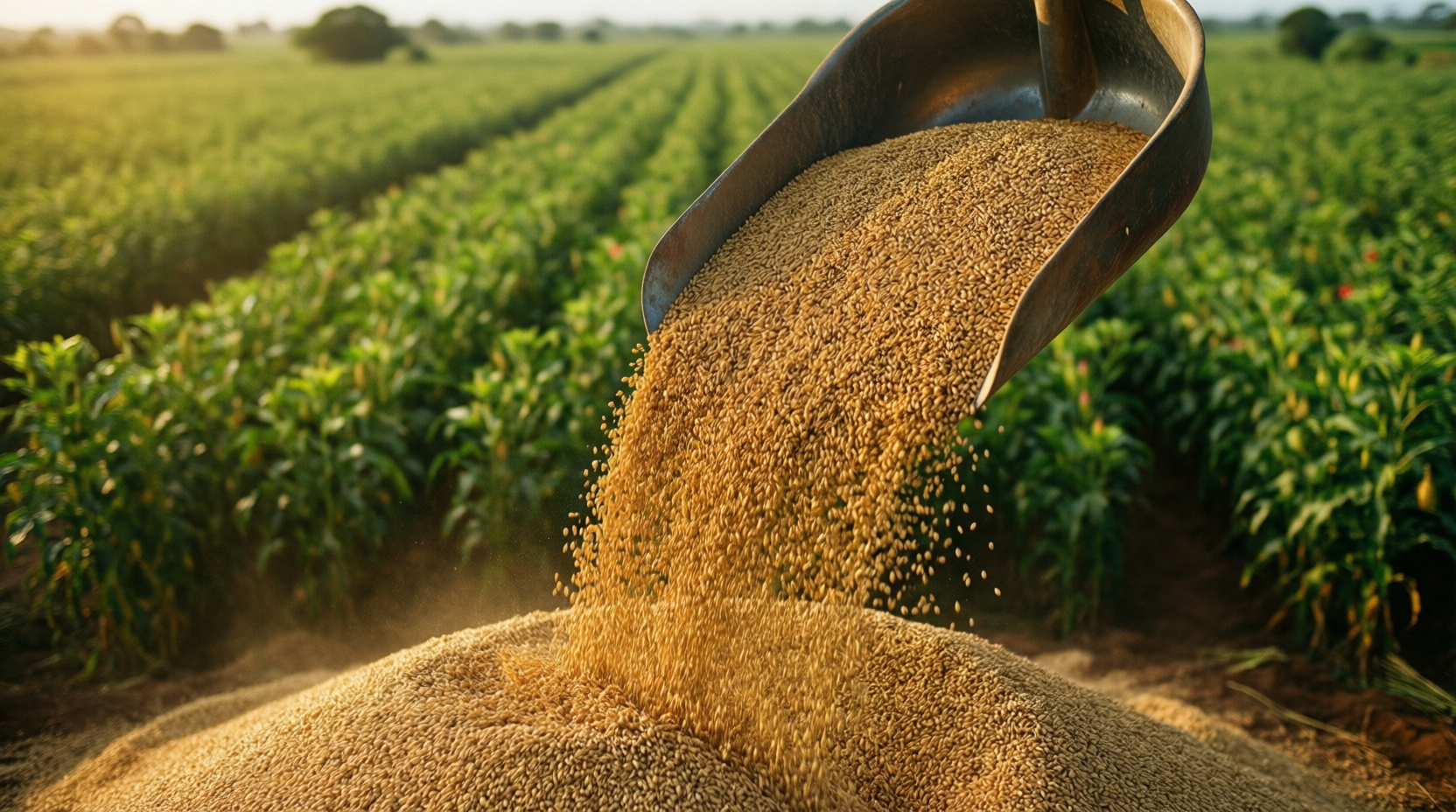
The recent Nigeria-Brazil agro-trade partnership has been instrumental in opening Brazilian markets to African hibiscus. Brazil’s burgeoning natural food and beverage sectors increasingly prefer hibiscus for its health benefits and vibrant color, fueling rising imports. Additionally, Brazilian manufacturers are innovating hibiscus-based products, heightening demand for reliable raw materials from Africa.
How is shea butter demand evolving in the Brazilian market?
Shea butter is gaining traction in Brazil’s cosmetics and personal care industries, prized for its moisturizing properties and sustainability credentials. The Nigeria-Brazil trade agreement facilitates smoother logistics and tariffs, enabling Nigerian exporters to meet rising Brazilian demand. Furthermore, awareness campaigns and consumer trends favoring natural ingredients have escalated shea butter consumption.
What are the current export price trends for shea butter?
Export prices for shea butter have seen an upward trajectory since early 2026, bolstered by increased demand from Brazil and competitive pricing that challenges traditional suppliers. Quality certification improvements and compliant supply chains contribute to price stability and growth, offering exporters better return prospects in international markets.
How reliable are the forecasts for African hibiscus export growth?
Forecasts indicate a steady annual growth rate for African hibiscus exports, driven by sustained demand from Brazil and other South American countries. These projections account for policy support from export promotion agencies like Nigeria’s APPE and Brazil’s MAPA, along with enhanced supply chain efficiencies, though risks such as climatic variability and global economic shifts remain considerations.
Which logistics channels are facilitating these export enhancements?
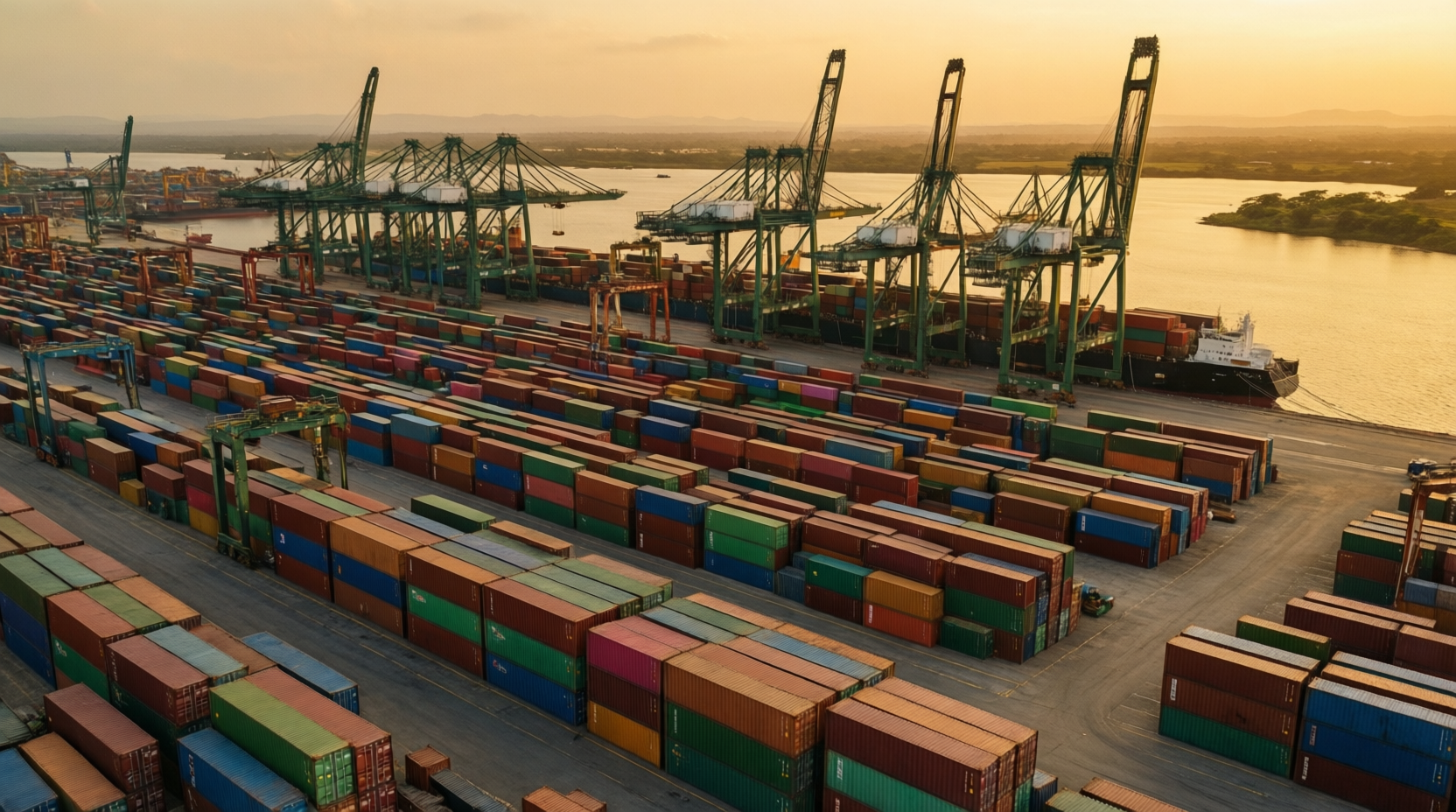
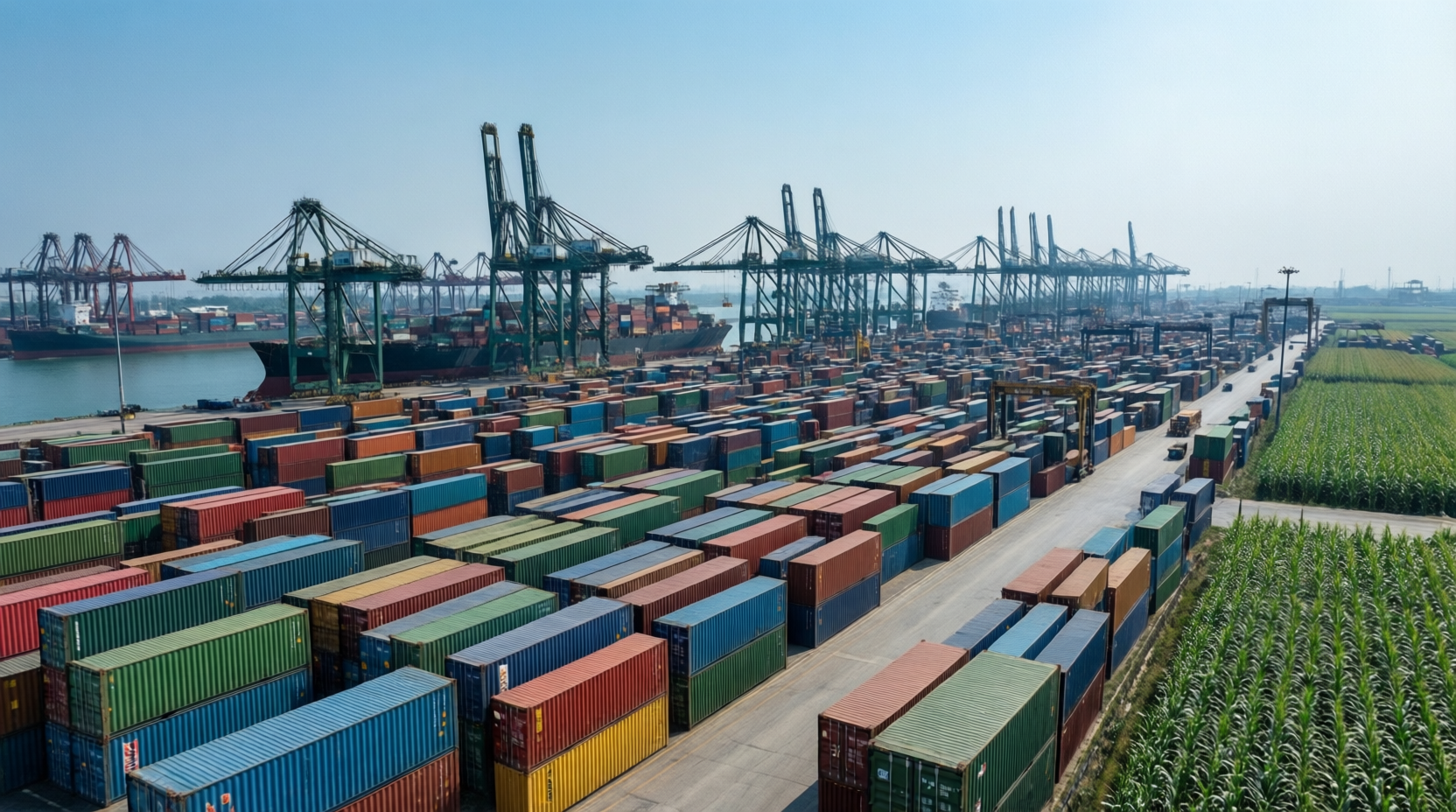
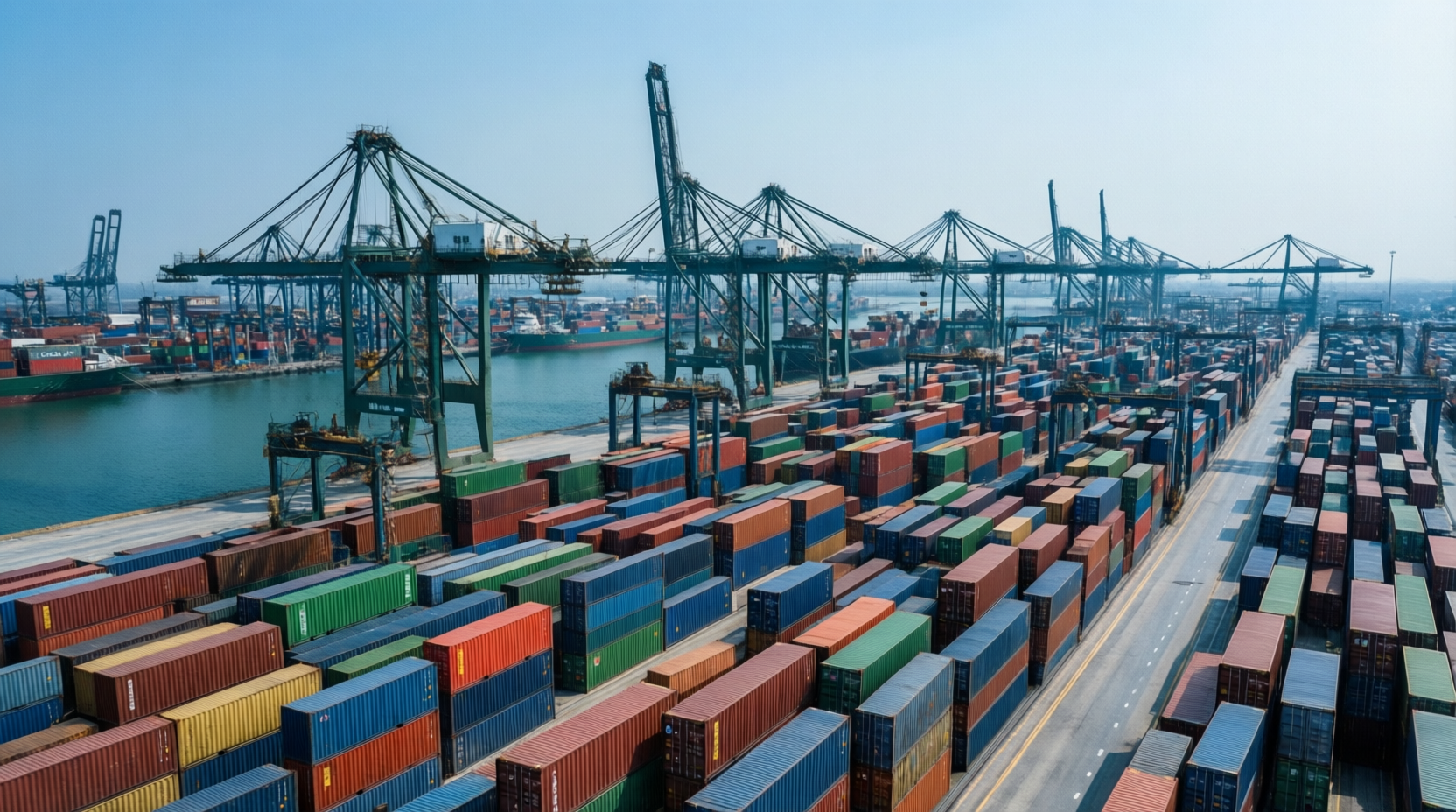
- Sea freight routes between Nigerian ports (Lagos, Port Harcourt) and Brazilian ports (Santos, Rio de Janeiro) have improved, reducing transit times.
- Air freight options cater to premium hibiscus varieties and shea butter for cosmetics, ensuring expedited delivery.
- Digital B2B marketplaces and API-enabled export documentation platforms streamline customs clearance, enhancing overall export efficiency.
What role do certifications play in market access and pricing?
Certifications such as Organic, Fair Trade, and ISO standards significantly influence export price premiums, especially in Brazil’s discerning markets. For hibiscus and shea butter, compliance with agrochemical residue limits and sustainable sourcing practices enhances buyer confidence and enables entry into high-value segments like organic cosmetics and health foods.
“The Nigeria-Brazil agro-trade agreement represents a strategic bridge connecting African agricultural riches with emerging Latin American markets, creating lasting export opportunities.” – Trade Expert
Action Point
Exporters aiming to expand into Brazil should engage with the Nigeria Export Promotion Council (NEPC) and utilize trade fairs like FIEE (Feira Internacional de Energia e Empreendimentos) to build buyer connections and stay informed on regulatory updates.
What challenges could affect future demand and pricing trends?
Potential challenges include exchange rate volatility between the Nigerian Naira and Brazilian Real, logistical bottlenecks during peak seasons, and global commodity price fluctuations due to shifts in supply or alternative sourcing. Exporters must also monitor evolving Brazilian import regulations and maintain product quality to sustain market confidence.
Key takeaways
- The Nigeria-Brazil agro-trade partnership is boosting demand for African hibiscus and shea butter in Brazil.
- Export prices for shea butter are trending upward due to quality improvements and increased Brazilian demand.
- Logistics enhancements and certifications are critical for accessing premium Brazilian markets.
- Exporters should leverage trade bodies and fairs to navigate regulatory landscapes and expand market reach.
Frequently asked questions
How is Nigeria-Brazil trade partnership impacting African hibiscus exports?
The partnership is facilitating market access and increasing demand in Brazil, leading to growth in African hibiscus exports through improved trade policies and logistics.
Why is shea butter demand growing in Brazil?
Brazil's cosmetic and personal care industries are increasingly using shea butter due to its natural moisturizing properties and consumer preference for sustainable ingredients.
What certifications are important for exporting hibiscus and shea butter to Brazil?
Organic, Fair Trade, and ISO certifications help meet Brazilian market standards, improving buyer trust and enabling access to premium market segments.
Which logistics routes are most efficient for exporting these commodities to Brazil?
Sea freight via Nigerian ports to Brazilian ports offers cost-effective bulk shipping, while air freight is used for premium or time-sensitive shipments.
What challenges should exporters expect in sustaining demand and prices?
Exporters should watch for currency fluctuations, supply chain disruptions, and regulatory changes that could affect pricing and market stability in Brazil.
- Written and reviewed by our in-house trade experts — not AI-generated filler.
- Market figures come from live platform data across thousands of verified trades.
- Every buyer and supplier on The Trade Union is identity- and document-verified.
- Guides are updated as regulations and market conditions change.