On this page
- How is the monsoon affecting basmati rice acreage in the 2026 kharif season?
- What are the key factors driving export demand for Indian basmati rice in 2027?
- How are prices for basmati rice expected to trend in 2027?
- Which supply chain or logistic factors impact basmati rice exports currently?
- What competitive challenges does Indian basmati rice face globally?
- How significant is the acreage increase despite monsoon sowing delays?
- What role do government policies and trade agreements play?
- What should exporters anticipate for the basmati rice market in 2027?
- Key takeaways
- FAQ
Indian basmati rice farmers face a complex 2026 kharif season with monsoon delays challenging timely sowing. Yet, acreage is on the rise, fueled by encouraging prices and persistent export demand. This dynamic sets the stage for shifting demand and pricing trends in the coming year, essential insights for exporters and stakeholders in the basmati rice value chain.
How is the monsoon affecting basmati rice acreage in the 2026 kharif season?
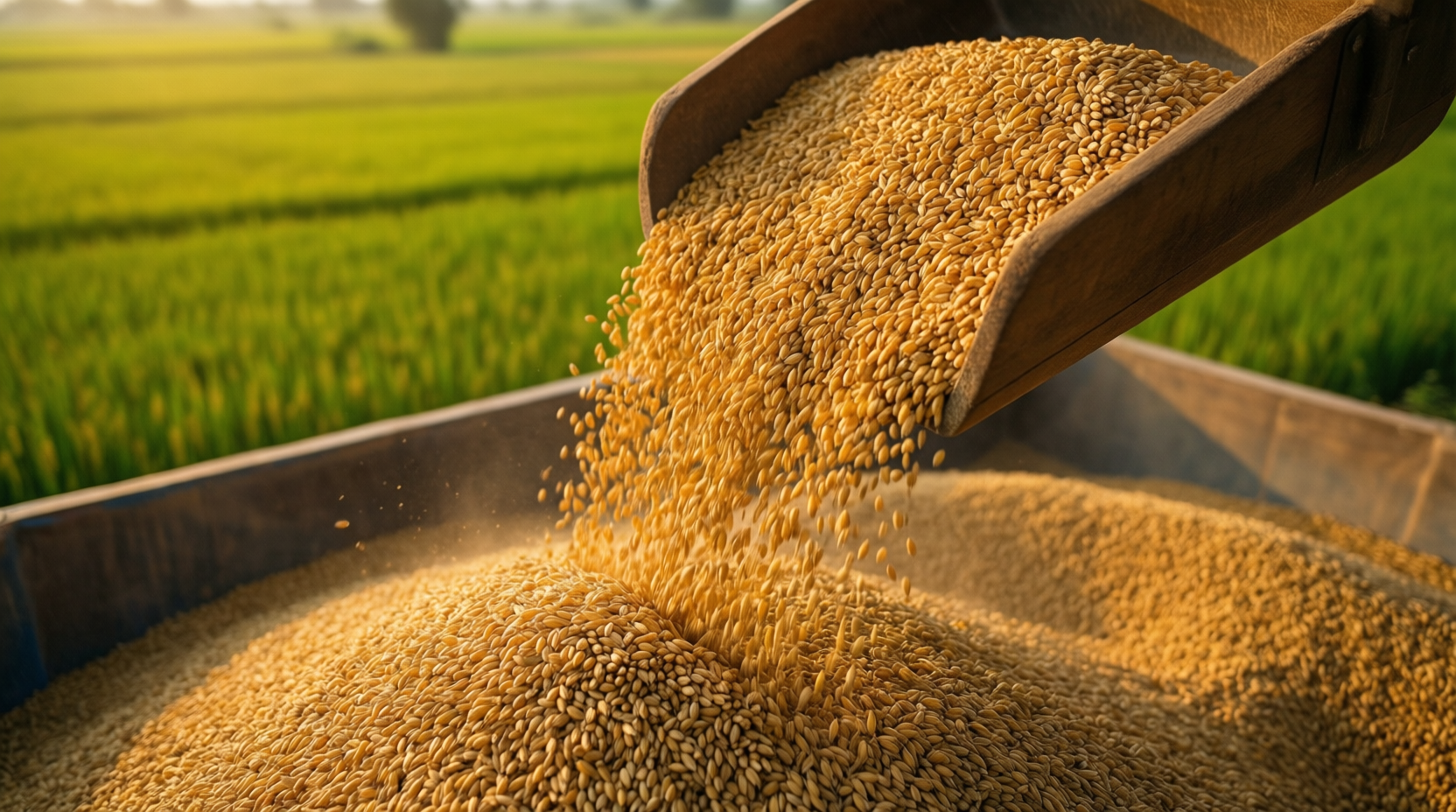
Monsoon delays have pushed back kharif sowing in traditional basmati-growing regions, notably Punjab and Haryana. However, strong market prices have incentivized farmers to expand basmati rice cultivation despite these setbacks. As a result, acreage for basmati rice is expected to rise moderately, offsetting the adverse weather impact experienced earlier in the season.
What are the key factors driving export demand for Indian basmati rice in 2027?
Export demand is buoyant, sustained by stable purchasing from the Middle East, Europe, and the UK. The India-UK Free Trade Agreement has further opened export channels, easing access to new markets like the UK for processed agricultural products. Additionally, the global shift towards premium quality long-grain rice supports continued demand growth for Indian basmati exports.
How are prices for basmati rice expected to trend in 2027?
Prices remain robust, underpinned by a tighter global supply and strong demand. Monsoon delays initially caused concerns about yield reductions, but expanded acreage has stabilized supply projections. Traders and exporters anticipate moderate price appreciation or stable pricing due to these balancing factors, favoring sellers amidst global uncertainties.
Which supply chain or logistic factors impact basmati rice exports currently?
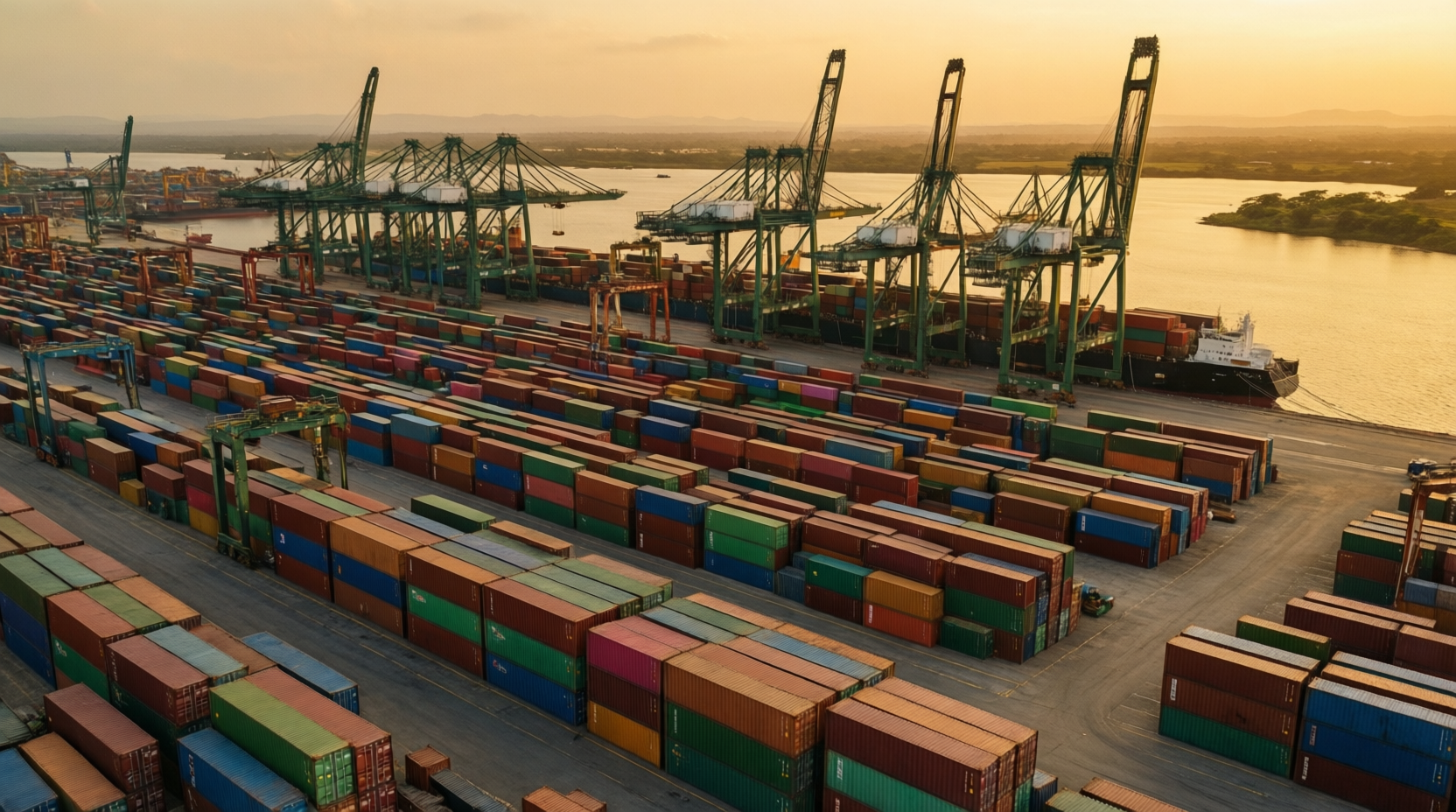
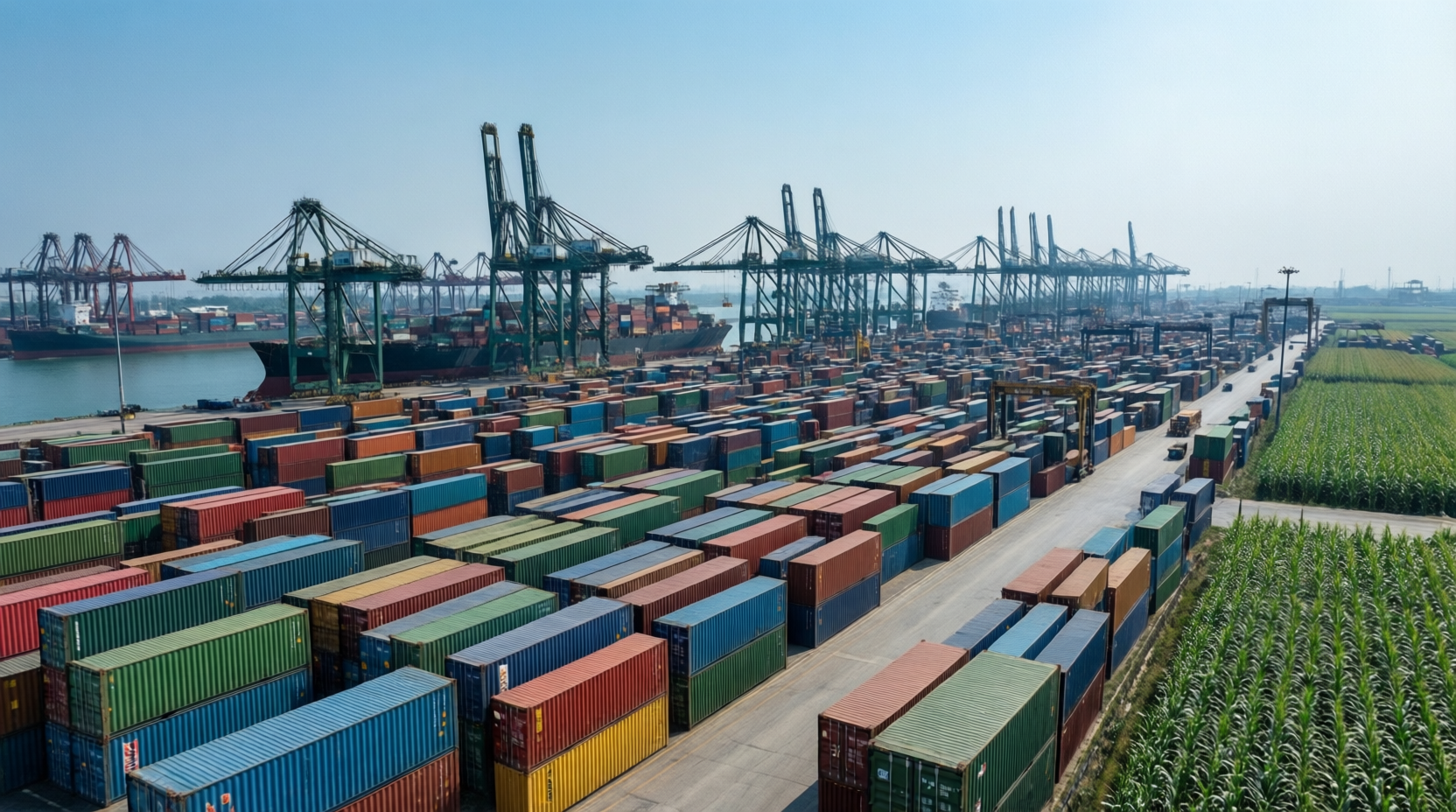
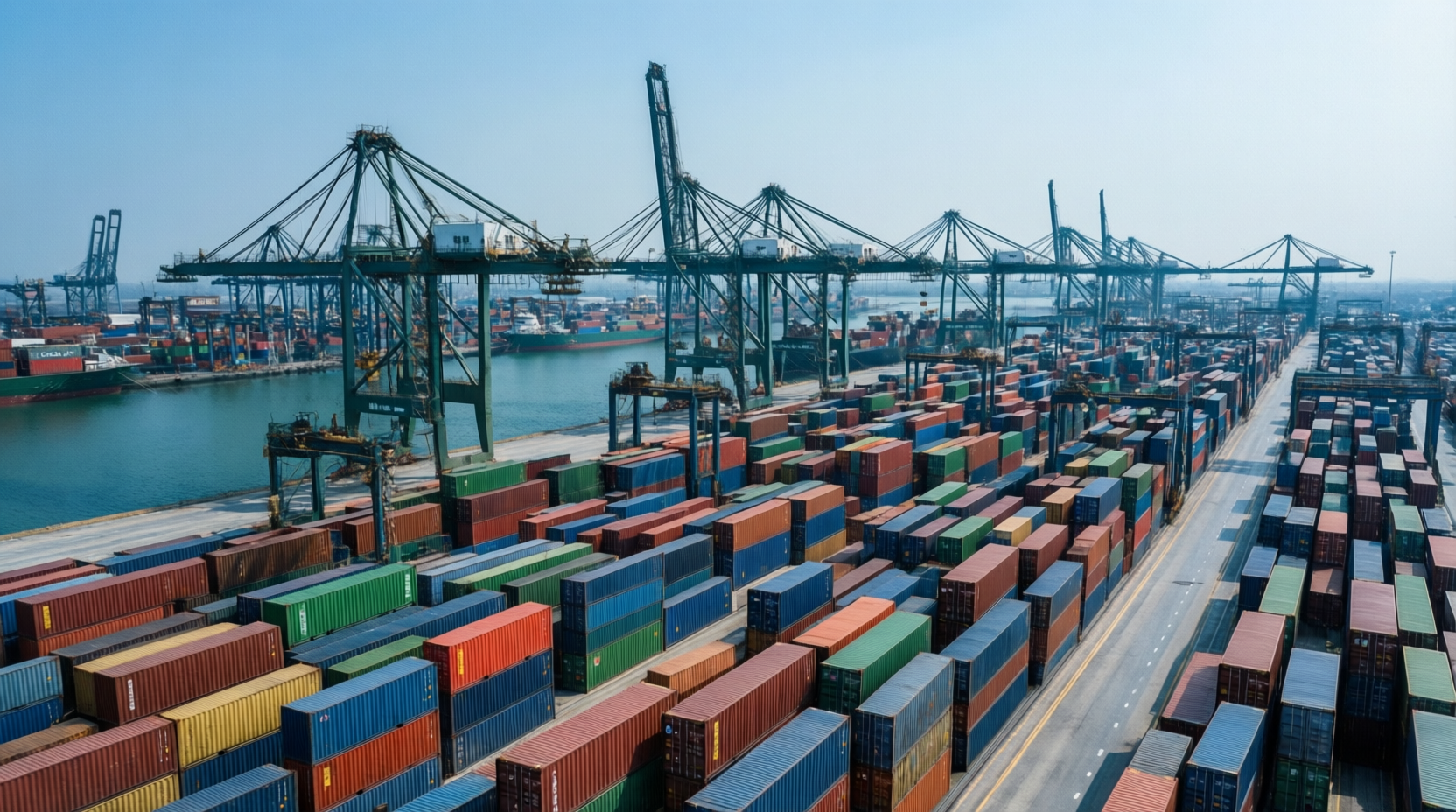
Improved logistics stemming from recent trade agreements, such as the India-UK FTA, have streamlined export protocols and reduced tariff barriers. However, monsoon disruptions occasionally affect inland transport and storage. Exporters continue to adapt by advancing shipment schedules and leveraging efficient port operations to minimize delays and preserve product quality.
What competitive challenges does Indian basmati rice face globally?
Russia's surge in agricultural exports, mainly wheat, into African markets presents competitive pressures, though less directly on basmati rice. Additionally, other Asian rice producers continue to vie for market share in premium segments. Indian exporters maintain an edge through recognized quality, stringent certifications, and established relationships in key export destinations.
How significant is the acreage increase despite monsoon sowing delays?
Data indicates that basmati rice acreage could rise by approximately 5-7% over 2025 levels in the 2026 kharif season. This growth results from farmers capitalizing on strong price signals and export prospects despite initial weather challenges, signaling resilience within the basmati rice cultivation landscape.
What role do government policies and trade agreements play?
Policy support through export incentives and compliance frameworks helps maintain India’s leadership in basmati rice exports. Trade agreements, like the India-UK FTA, not only reduce tariffs but also promote diversification of export markets. Such instruments alleviate risks associated with unpredictable monsoon patterns and global market volatility.
What should exporters anticipate for the basmati rice market in 2027?
Exporters should prepare for steady demand and moderately favorable prices supported by expanded acreage and strong trade ties. Vigilance over weather developments, supply chain resilience, and evolving regulatory landscapes remains crucial for optimizing market opportunities in 2027.
"Strong export demand and adaptive farming responses are key to offsetting monsoon-induced production challenges for Indian basmati rice." – Agricultural Export Analyst Rohit Sharma
Market Insight
Despite monsoon delays in 2026, Indian basmati rice cultivation is increasing, driven by export demand and healthy price signals. Exporters can leverage this trend with strategic supply chain management and awareness of trade agreements to maximize opportunities in 2027.
Key takeaways
- Indian basmati rice acreage is forecast to increase by 5-7% in the 2026 kharif season despite monsoon sowing delays.
- Strong export demand from Middle East, Europe, and the UK supports stable to rising basmati rice prices in 2027.
- Trade agreements like the India-UK FTA enhance export market access, reducing tariff and logistical barriers.
- Exporters should monitor weather impacts and leverage improved supply chain efficiencies to sustain competitiveness.
Frequently asked questions
How is the 2026 monsoon affecting basmati rice production in India?
Monsoon delays have postponed kharif sowing but strong prices and exports encourage acreage expansion, mitigating production risks in 2026.
What export markets are driving demand for Indian basmati rice?
The Middle East, Europe, and the UK remain key markets, with the India-UK Free Trade Agreement facilitating smoother exports and opening new opportunities.
Are basmati rice prices expected to rise in 2027?
Prices are projected to be stable or modestly higher due to strong global demand balanced against expanded acreage and supply considerations.
How can exporters manage monsoon-related supply chain challenges?
By advancing shipments, utilizing efficient port facilities, and capitalizing on trade agreements that simplify export processes, exporters can reduce logistics delays.
What impact do trade agreements have on basmati rice exports?
Agreements like the India-UK FTA lower tariffs and regulatory hurdles, expanding market access and improving competitiveness of Indian basmati exports.
- Written and reviewed by our in-house trade experts — not AI-generated filler.
- Market figures come from live platform data across thousands of verified trades.
- Every buyer and supplier on The Trade Union is identity- and document-verified.
- Guides are updated as regulations and market conditions change.