On this page
- How is the West Asia war affecting container availability for Indian agro-exporters?
- What has been the impact on freight costs for agricultural exports from India?
- How are these supply chain disruptions influencing India’s export volumes?
- Are Indian exporters finding ways to mitigate these geopolitical risks?
- What role do tariffs and international trade policies play amid these risks?
- Can exporters expect these geopolitical disruptions to continue affecting supply chains long term?
- Key takeaways
- FAQ
In 2026, Indian agricultural exporters face unprecedented challenges due to geopolitical tensions, notably the ongoing conflict in West Asia. These disruptions have impacted container availability and freight costs, affecting the competitiveness and reliability of India’s agro-export supply chains.
How is the West Asia war affecting container availability for Indian agro-exporters?
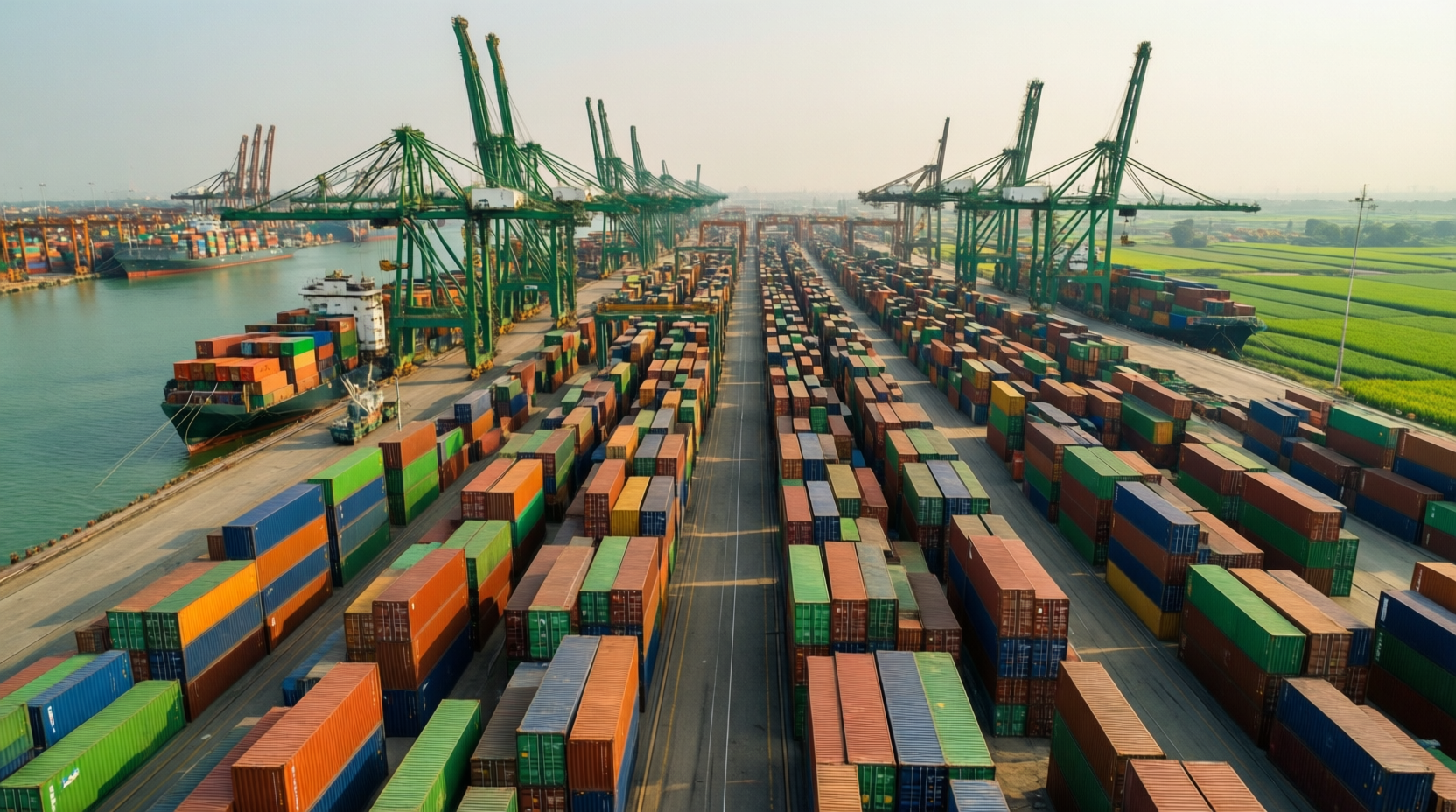
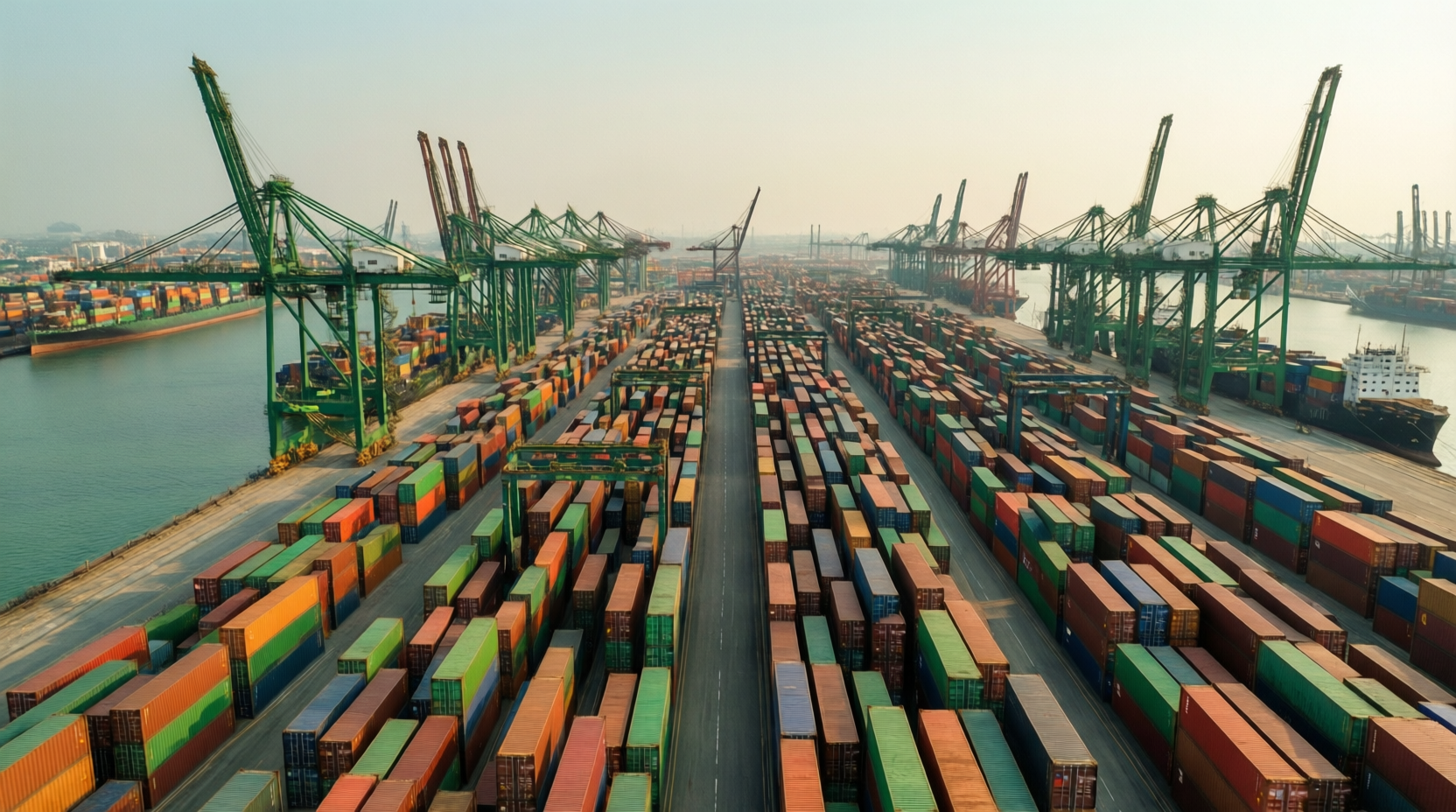
The West Asia war has severely disrupted maritime shipping lanes, crucial for India's agro-export logistics. As a result, refrigerated container availability has become limited, directly impacting exporters of perishable goods like mangoes and fresh litchis. This shortage stems from rerouted vessels and increased waiting times at ports, causing logistical bottlenecks.
What has been the impact on freight costs for agricultural exports from India?
Freight costs have surged sharply due to the geopolitical tensions and container shortages. Indian exporters report increased shipping charges, particularly for refrigerated containers, placing additional financial burdens on agro-export firms. This surge pressures margins and compels exporters to reassess pricing and contract terms with overseas buyers.
How are these supply chain disruptions influencing India’s export volumes?
These disruptions have contributed to a decline in certain export segments—rice exports declined by 7.5% in FY26, partially due to these geopolitical challenges. Meanwhile, fresh fruit exporters, including mango producers, have also curtailed volumes owing to container scarcity and increased freight costs.
Are Indian exporters finding ways to mitigate these geopolitical risks?
Yes, exporters are exploring alternative markets, such as leveraging India’s CEPA with Oman to open new export routes for products like fresh litchis. Additionally, some firms are investing in diverse shipping routes and seeking long-term contracts with shipping lines to secure container availability despite regional uncertainties.
What role do tariffs and international trade policies play amid these risks?
Trade policies, including U.S. tariffs on Indian agricultural products, compound challenges by limiting access to key markets and pressuring exporters to diversify. Nonetheless, India’s overall agricultural exports grew 2.3% year-on-year in 2025-26, demonstrating resilience despite these hurdles.
Can exporters expect these geopolitical disruptions to continue affecting supply chains long term?
Given the ongoing nature of conflicts in West Asia and global political tensions, supply chain disruptions and freight cost volatility are expected to persist in the near term. Exporters must therefore adapt operational strategies, including supply chain diversification and risk management measures, to sustain growth.
"The West Asia conflict’s ripple effects on container shortages and shipping costs are reshaping how Indian agro-exporters plan and operate their supply networks." — Industry Expert
Exporter Action Point
Strategic adaptation is key: Exporters must actively diversify routes, negotiate better freight contracts, and explore emerging markets to counterbalance geopolitical supply chain risks.
Key takeaways
- West Asia war disrupts maritime routes causing refrigerated container shortages impacting Indian agro-exports.
- Freight cost increases intensify export price pressures, especially for perishable agricultural goods.
- Indian agricultural exports grew modestly despite these challenges, showing sector resilience.
- Exporters are leveraging trade agreements and exploring diversified shipping routes to mitigate risks.
Frequently asked questions
How does the West Asia war specifically impact India’s agro-export supply chains?
The West Asia war disrupts maritime routes, causing shortages of refrigerated containers and increasing freight costs, which delays shipments and raises export expenses for Indian agro-exporters.
Are rising freight costs due only to container shortages?
While container shortages are a major factor, increased demand for alternative routes due to geopolitical risks also contributes to the surge in freight costs.
What strategies can Indian exporters use to manage these geopolitical risks?
Exporters can diversify shipping routes, negotiate longer-term freight contracts, and access new markets through trade agreements like India-Oman CEPA to mitigate risks.
Have these geopolitical risks caused a decline in Indian agro-export volumes?
Yes, certain segments such as rice exports declined by 7.5% in FY26 partly due to these supply chain disruptions, though overall agro-exports still grew modestly.
Will these supply chain disruptions persist in the near future?
Given ongoing conflicts and geopolitical tensions, export logistics challenges are likely to continue, requiring exporters to maintain adaptive strategies.
- Written and reviewed by our in-house trade experts — not AI-generated filler.
- Market figures come from live platform data across thousands of verified trades.
- Every buyer and supplier on The Trade Union is identity- and document-verified.
- Guides are updated as regulations and market conditions change.