On this page
- How have U.S. tariffs impacted India’s rice exports in recent years?
- What challenges are Indian spice exporters facing due to these tariffs?
- Despite tariffs, how has India's overall agricultural export performance been?
- What are key strategies Indian exporters are using to navigate U.S. trade barriers?
- How have geopolitical tensions affected Indian agricultural exports beyond tariffs?
- Can you share an example of a successful export initiative despite these trade challenges?
- What should Indian exporters prioritize in 2026 to sustain growth amid U.S. tariffs?
- Key takeaways
- FAQ
India's agricultural exports continue to show resilience amid global trade headwinds, although specific sectors like rice and spices face significant challenges due to U.S. tariffs. In this detailed report, we examine how these tariffs affect India's key agro-exports and what exporters are doing to adapt in 2026.
How have U.S. tariffs impacted India’s rice exports in recent years?
India’s rice exports declined by 7.5% year-on-year to $11.53 billion in FY26, largely due to persistent U.S. tariffs imposed on key agricultural products like basmati rice. These tariffs have made Indian rice less competitive in the U.S. market—a major importer—forcing exporters to reassess their strategies.
What challenges are Indian spice exporters facing due to these tariffs?
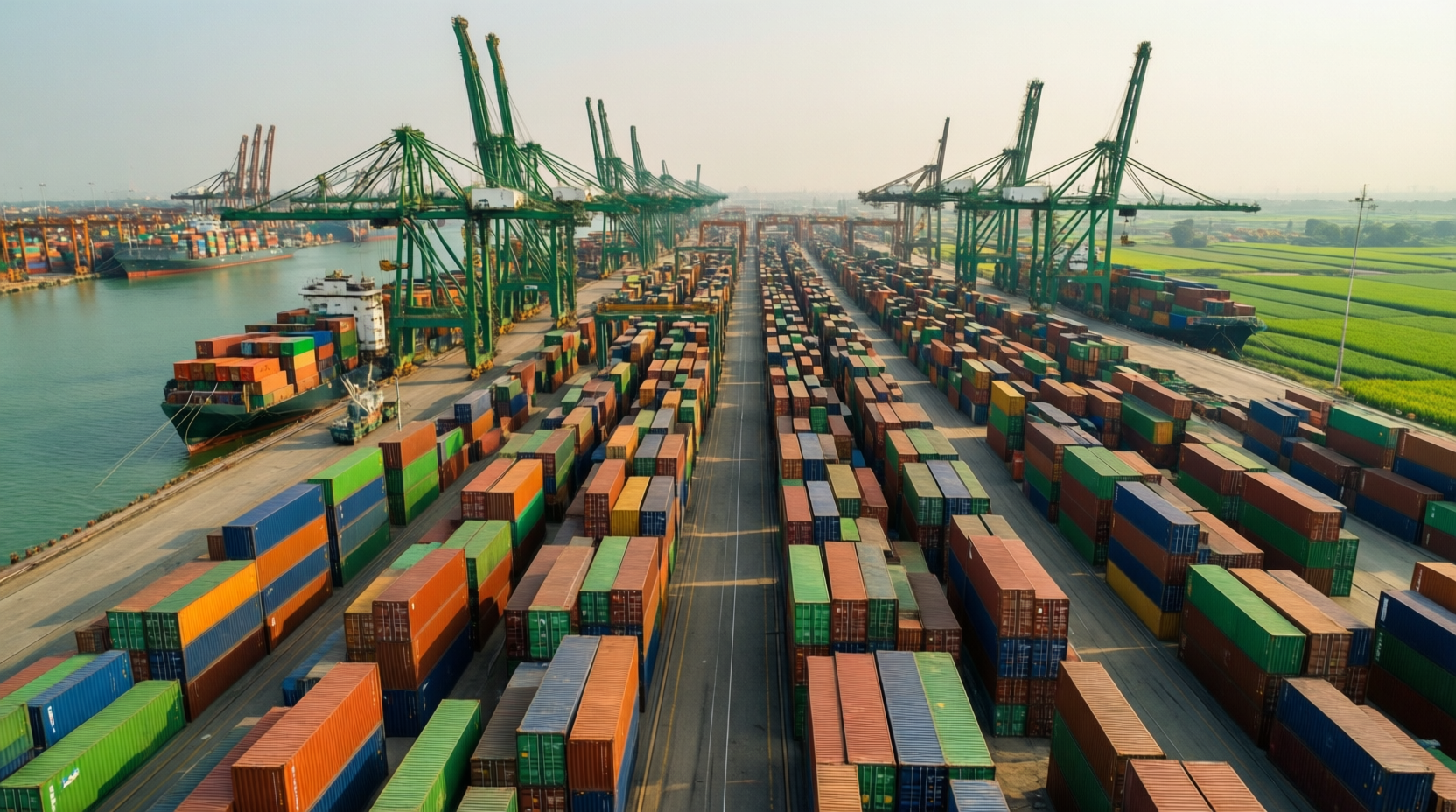
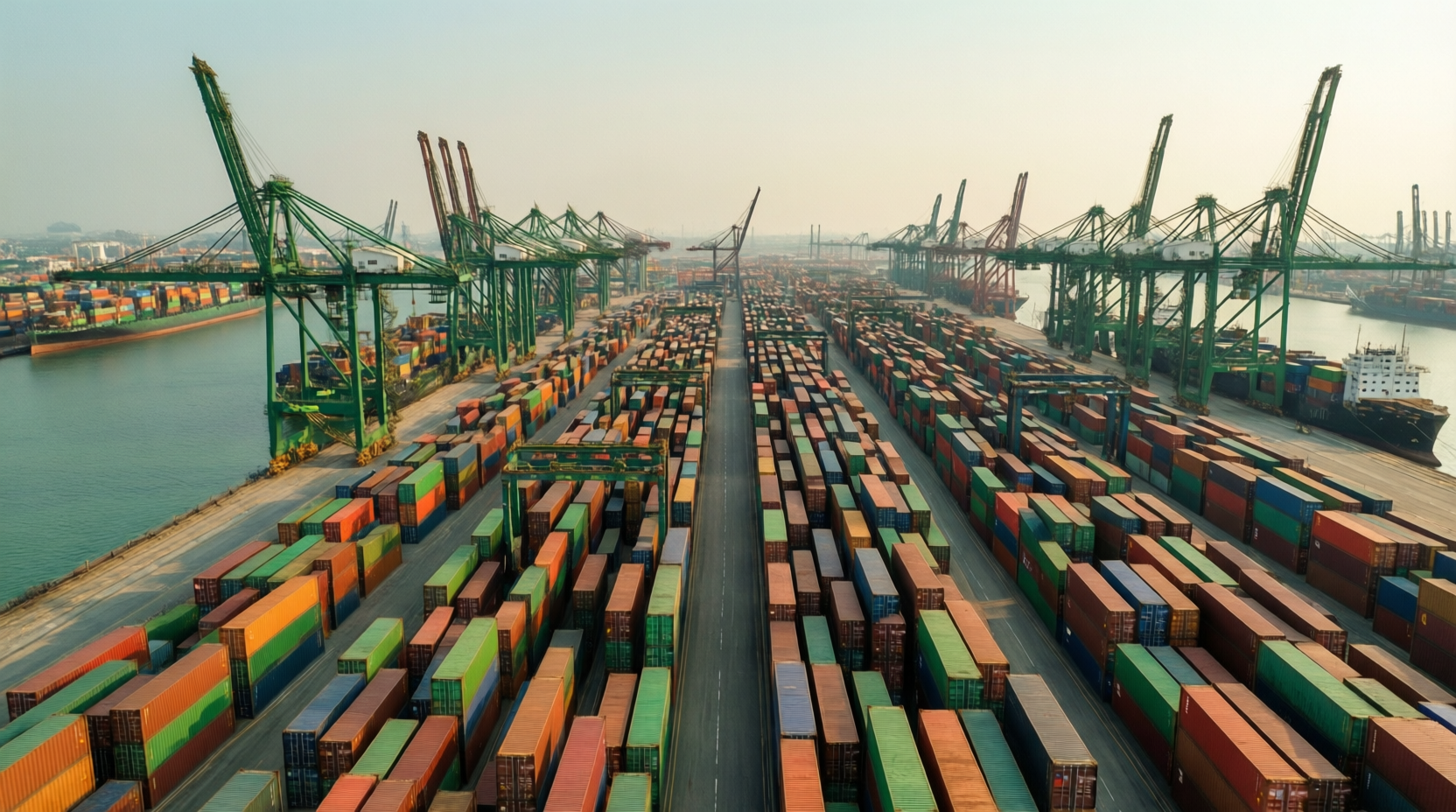
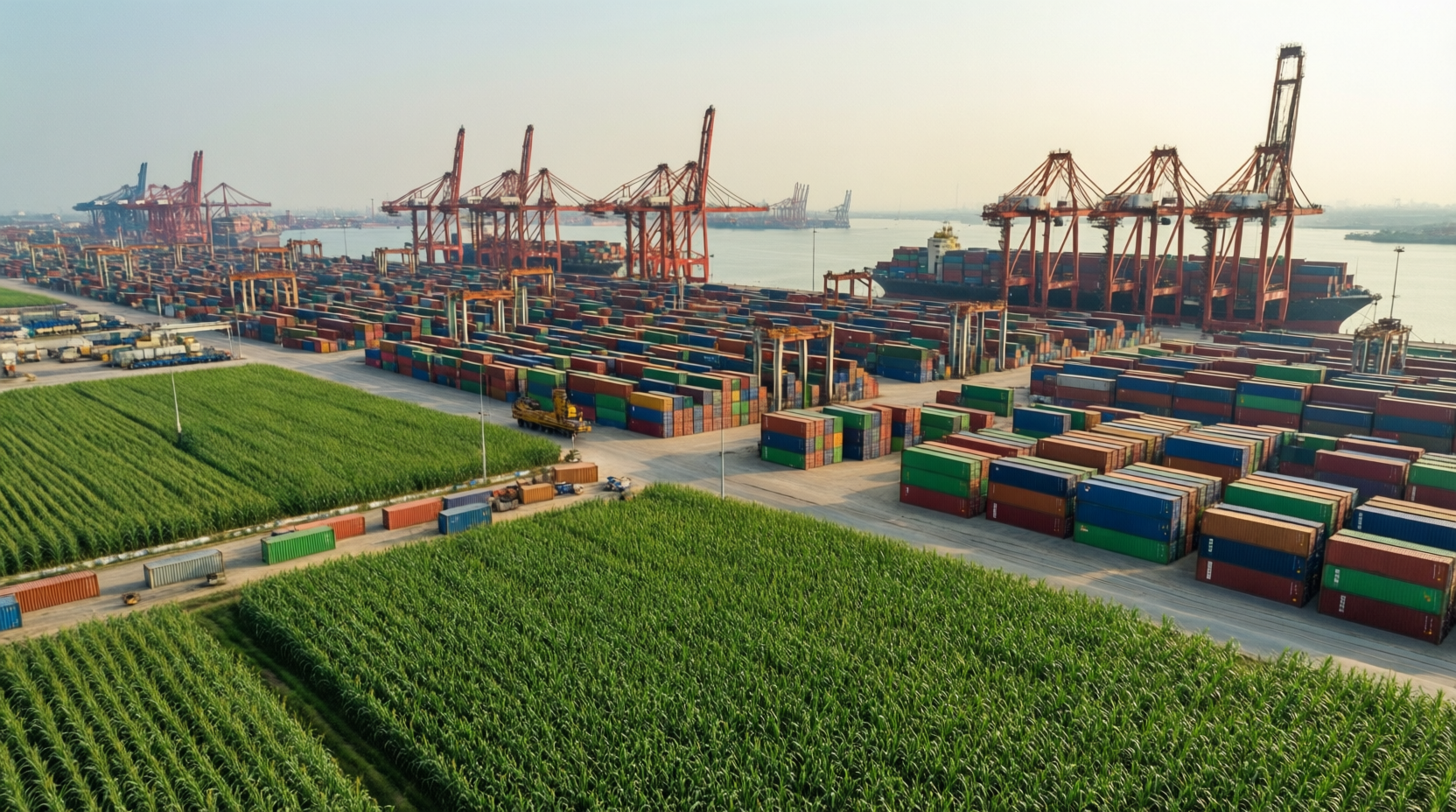
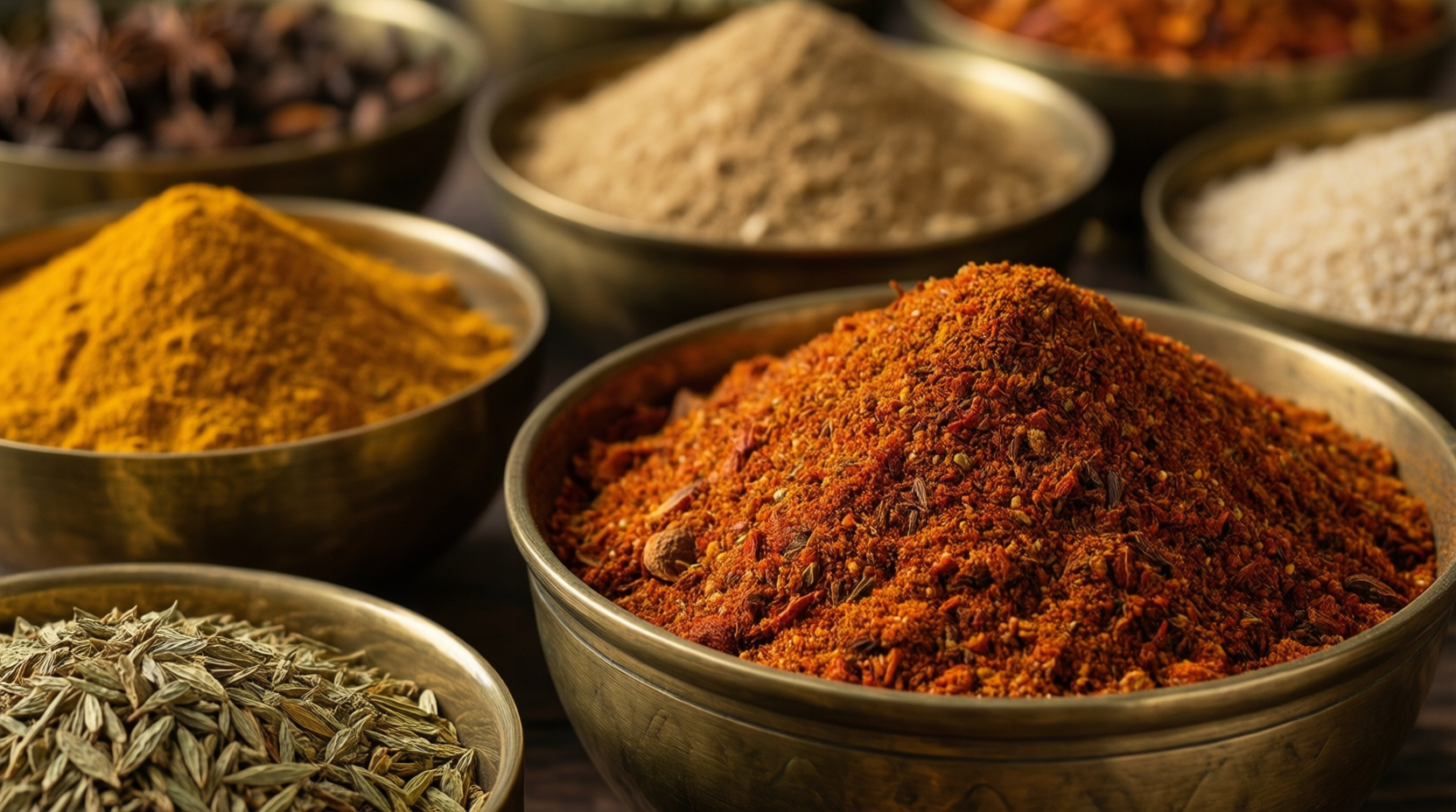
Spice exports have been adversely affected as U.S. tariffs increase costs and complicate trade relations. Combined with logistical challenges such as higher freight costs and container shortages exacerbated by geopolitical tensions, Indian spice exporters face uphill battles to maintain market share in the U.S.
Despite tariffs, how has India's overall agricultural export performance been?
Remarkably, India’s total agricultural exports increased by 2.3% year-on-year in 2025-26, reaching $53.1 billion. This growth demonstrates resilience supported by diversification into other markets and products, strategic use of trade agreements, and adaptation to shifting global demand amid geopolitical uncertainties.
What are key strategies Indian exporters are using to navigate U.S. trade barriers?
- 1Market Diversification: Expanding exports to non-U.S. markets such as the Middle East and Africa to reduce dependence on U.S. demand.
- 2Leveraging Trade Agreements: Utilizing agreements like the India-Oman CEPA to open new markets and reduce tariffs elsewhere.
- 3Product Adaptation: Developing value-added and niche products less affected by tariffs.
- 4Improving Logistics: Overcoming container shortages and freight cost issues by optimizing supply chain efficiencies.
How have geopolitical tensions affected Indian agricultural exports beyond tariffs?
Conflicts such as the West Asia war have disrupted maritime routes, causing container shortages and increased freight costs. These logistics challenges particularly impact fresh produce exports like mango and spices, adding pressures on exporters already facing tariff barriers.
Can you share an example of a successful export initiative despite these trade challenges?
The first-ever export of fresh litchis from Punjab to Oman under the India-Oman CEPA illustrates how strategic trade agreements can help Indian exporters bypass tariff barriers and access new markets.
What should Indian exporters prioritize in 2026 to sustain growth amid U.S. tariffs?
Indian exporters must focus on diversification, innovate product offerings, foster new trade partnerships, and invest in logistics infrastructure to mitigate the impact of U.S. tariffs and geopolitical disruptions. Proactive adaptation is critical for long-term competitiveness.
Key takeaways
- U.S. tariffs caused a 7.5% decline in India's rice exports in FY26, highlighting significant trade barriers.
- Despite tariffs, India's overall agricultural exports grew 2.3% in 2025-26 due to market diversification and trade agreements.
- Geopolitical tensions and logistics challenges exacerbate export difficulties beyond tariffs alone.
- Exporters are adopting strategies such as leveraging trade agreements and improving supply chains to navigate these barriers.
Frequently asked questions
How much have U.S. tariffs affected India's rice exports?
They contributed to a 7.5% decline in India's rice exports in FY26, making products like basmati rice less competitive in the U.S. market.
Are Indian spice exports also impacted by U.S. tariffs?
Yes, spice exports face increased costs and challenges, compounded by higher freight charges and container shortages due to geopolitical tensions.
What strategies are Indian exporters using to offset tariff impacts?
Exporters diversify markets, leverage trade agreements like India-Oman CEPA, adapt products, and enhance logistics to reduce tariff disadvantages.
Has India's overall agricultural export growth been affected?
Despite tariff challenges, India's agricultural exports rose by 2.3% in 2025-26, showing resilience through diversification and strategic adaptation.
How have geopolitical issues outside tariffs affected exports?
Conflicts like the West Asia war disrupt shipping routes, causing container shortages and increased freight costs, which add additional pressures on exporters.
- Written and reviewed by our in-house trade experts — not AI-generated filler.
- Market figures come from live platform data across thousands of verified trades.
- Every buyer and supplier on The Trade Union is identity- and document-verified.
- Guides are updated as regulations and market conditions change.