On this page
In July 2026, India’s pulse markets are making headlines with significant price movements and changing global demand. For agri-exporters and traders, understanding what’s driving these shifts—and what to do next—has never been more crucial.
Pulse Mandi Price Today India: 2026 Snapshot
The pulse mandi price today India-wide confirms a firm uptrend for key varieties. As of 30 June 2026, average wholesale mandi rates (₹/qtl) are: Gram Dal (~7,769), Tur (~11,270), Urad (~10,949), and Moong (~10,177). On a year-on-year basis, Urad is up 14.7% and Tur by 13.98%. However, prices for Gram, Masur, and Moong remain pressured across major mandis.
Retail Price Trends and Consumer Signals
Retail pulses price trends India July 2026 indicate relatively stable prices: Tur/Arhar Dal is at ₹122.73/kg, Urad Dal at ₹119.16/kg, and Moong around ₹111.56/kg. Spikes have been seen in edible oils and tomatoes due to monsoon uncertainty, but most pulse prices are holding steady at the retail counter, even as mandi prices rise.
Key Drivers of the Price Surge in 2026
- Stronger mandi buying for Moong, Matar, and Chana offsetting export softness in Tur.
- Global FOB price stability on pulses—even as inflation squeezes margins for Indian traders.
- Crop-side pressures including erratic monsoon and farm input costs.
- Government’s robust buffer stocks for rice and wheat easing broader food inflation—but not for pulses.
Indian Pulse Export Outlook 2026: New Openings, New Challenges
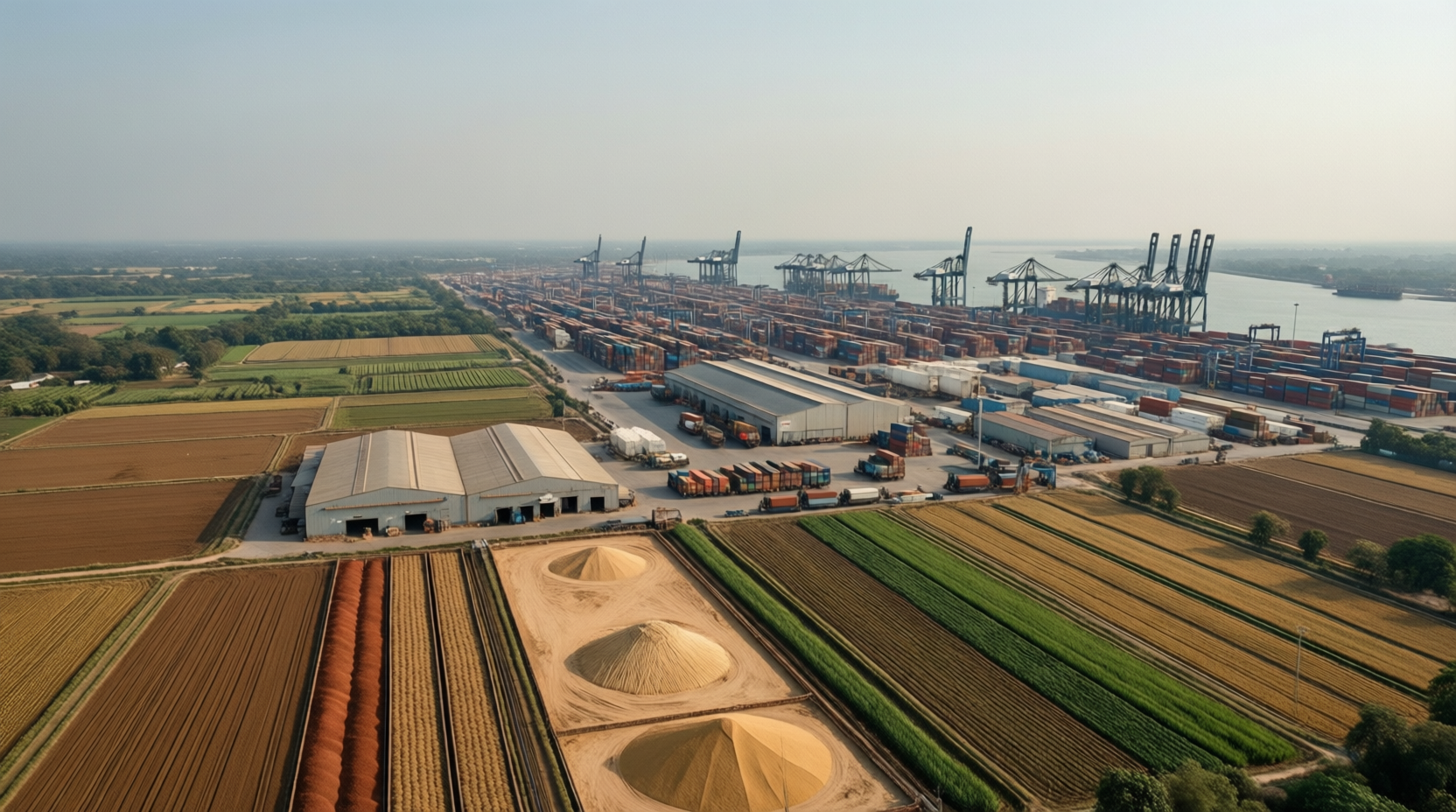
The Indian pulse export outlook 2026 is shaped by two major shifts: trade agreements and regulatory reforms. The India-EU Free Trade Agreement—pending formal signing—will remove tariffs on 90% of tariff lines (by value 99.3%) including major agri-products. The India-UK CETA is already live as of May 2026, offering 99% duty-free tariff lines. Additionally, the new FEMA Export-Import Regulations 2026, effective 1 October, will lower compliance barriers for exporters.
How to Export Pulses from India to EU 2026: Compliance & Opportunity
- Stay updated on revised EU regulations (esp. non-tariff phytosanitary requirements).
- Leverage zero/low tariffs for pulses, aided by the FTA.
- Prepare for shifting buyer preferences as EU focuses on sustainable and residue-free pulses.
- Simplified banking and documentation processes via new FEMA rules post-October 2026.
Global Pulse Demand India: What’s Supporting Export Momentum?
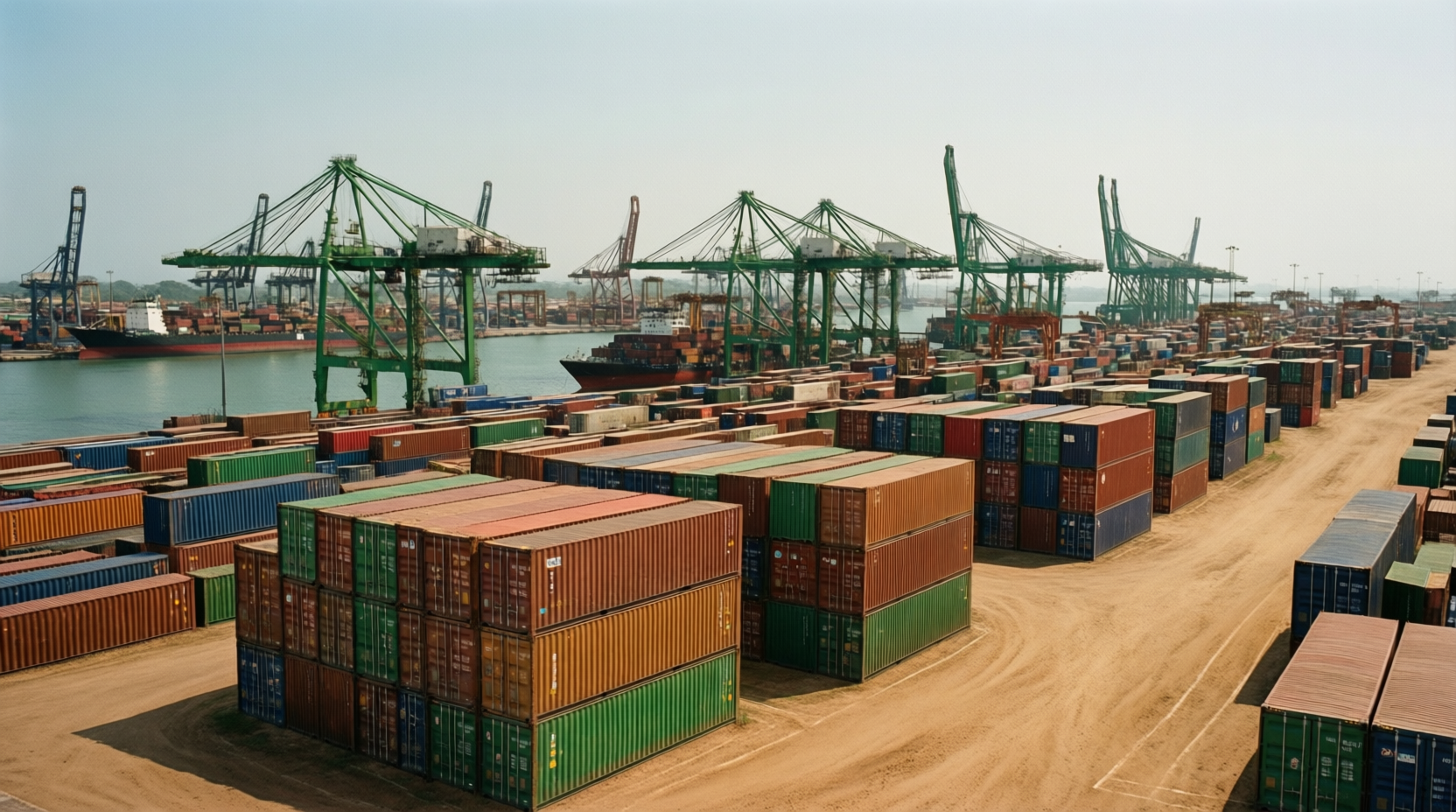
Global pulse demand India-facing remains robust, with key regions—Africa, Middle East, and Europe—seeking reliable bulk suppliers. However, container shipping rates remain elevated (global 40ft rates: $3,433–$2,857 in June 2026), while logistics to Africa especially reflect higher freight costs due to strong Indian rice flows.
“Traders should focus on flexibility and risk-management—respond quickly to volatile mandi prices, changing EU requirements, and container market conditions to protect margins while maximizing opportunity.”
Action Points: What Should Exporters Watch Next?
- 1Track pulse mandi price today India for spot and forward trading margins.
- 2Monitor regulatory updates: FEMA 2026, and FTA signings with EU, UK, and US.
- 3Watch shipping and freight market updates—budget for cost surges in container logistics.
- 4Diversify market focus to leverage new low-tariff corridors.
- 5Maintain dialogue with buyers for compliance on quality and sustainability requirements.
Need real-time data on pulses price trends India July 2026? Access mandi, export, and policy alerts in one dashboard on Trade Union—designed for agri-exporters.
- Written and reviewed by our in-house trade experts — not AI-generated filler.
- Market figures come from live platform data across thousands of verified trades.
- Every buyer and supplier on The Trade Union is identity- and document-verified.
- Guides are updated as regulations and market conditions change.