On this page
- What factors contributed to South Africa's record R67 billion agricultural exports in Q1 2026?
- Which commodities were the main contributors to export growth?
- How have logistics developments supported export performance?
- What role do trade agreements and geopolitical dynamics play?
- What growth prospects can exporters expect for the rest of 2026?
- Quote from industry expert:
- Key takeaways
- FAQ
In the first quarter of 2026, South Africa's agricultural exports surged to a record R67 billion, marking an 11% increase year-on-year. This landmark performance highlights the country's strengthening position in global agro-export markets, driven by high demand for fruits and maize. This report breaks down the key drivers behind this success and examines growth prospects for the remainder of 2026.
What factors contributed to South Africa's record R67 billion agricultural exports in Q1 2026?
South Africa’s export boom stems from multiple converging factors. Robust global demand for fresh fruit and maize, two of South Africa’s major export commodities, powered volume growth. Recovery of export logistics after weather-related disruptions also improved supply chain efficiency. Additionally, trade facilitation improvements such as China’s upgraded "Green Channel" policy expedited clearance of African agricultural products, benefiting South African exporters specifically.
Which commodities were the main contributors to export growth?
- Fruit exports rebounded strongly after flood-related setbacks early in the year, particularly citrus and deciduous fruits.
- Maize exports benefited from competitive pricing, targeting key markets in Asia and Europe.
- Other horticulture products maintained steady demand, supporting diversified export revenue streams.
How have logistics developments supported export performance?
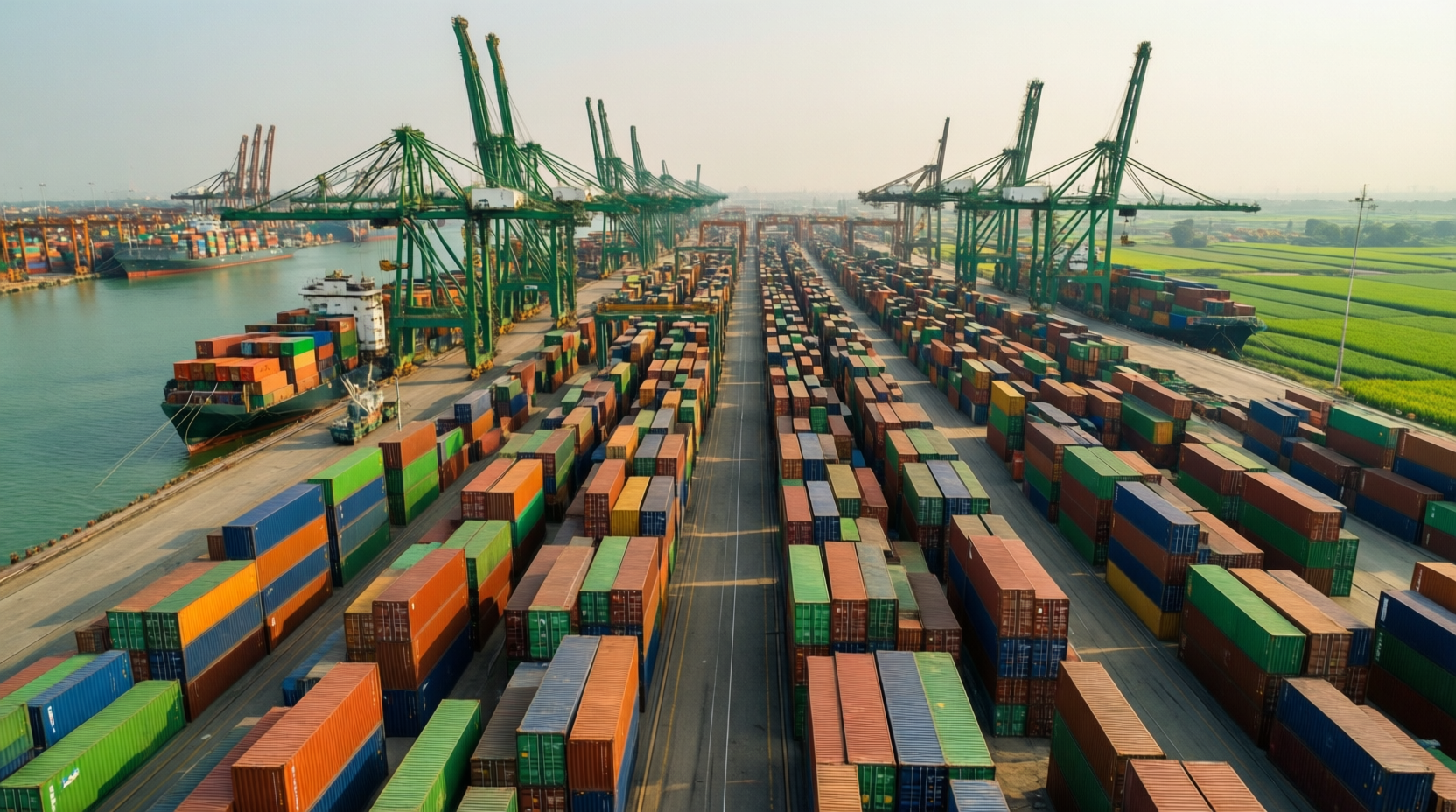
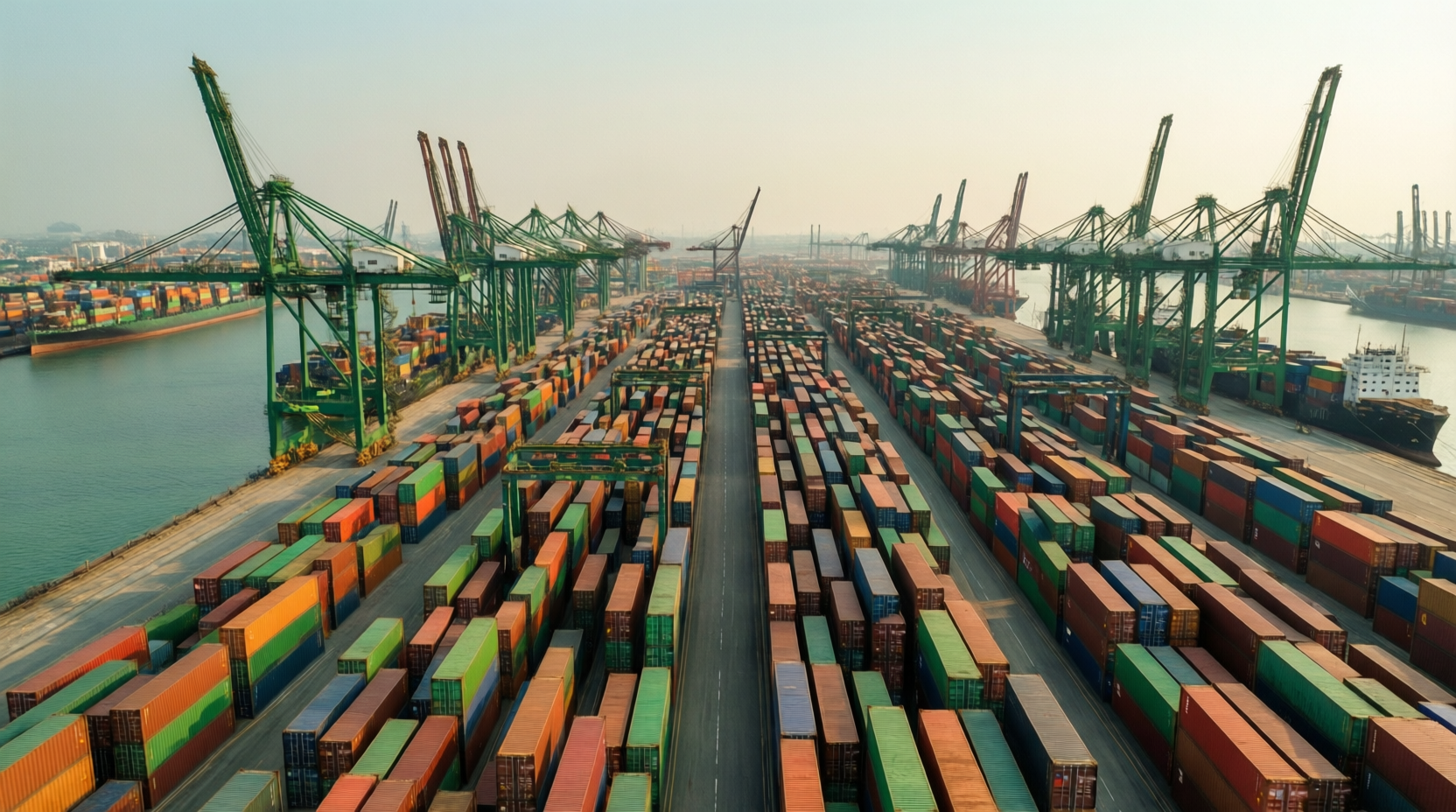
South African exporters saw improvements in logistics infrastructure and processes, including the resumption of fruit packing and transport services disrupted by floods. Moreover, international policies such as China’s "Green Channel" accelerated customs clearance, reducing delays for fresh produce shipments and enhancing South Africa’s competitive edge.
What role do trade agreements and geopolitical dynamics play?
Geopolitical and trade developments favor South African exporters. Enhanced market access under agreements like India–UK CETA boosts opportunities for agricultural exports beyond traditional markets. Partnerships across Africa and with countries like Brazil expand export horizons. These factors, combined with government industry support, provide a positive backdrop for sustained growth.
What growth prospects can exporters expect for the rest of 2026?
Export growth is expected to continue through 2026, supported by anticipated stable demand in major global markets and ongoing logistical improvements. However, exporters must monitor competitive pressures from countries like India, whose maize exports are also increasing on competitive pricing. Continued adaptation to trade policy changes and infrastructure investments will be critical for maintaining momentum.
Quote from industry expert:
"South Africa's record agricultural export performance in early 2026 highlights the resilience and adaptability of our sector. Continued collaboration between government and the private sector is essential to capitalize on new opportunities and sustain growth." - Thabo Mbeki, Chairperson, South African Agricultural Export Council
Key advice for South African exporters
Exporters should capitalize on improved infrastructure and new trade agreements while keeping an eye on competitor pricing strategies to sustain South Africa’s agricultural export growth.
Key takeaways
- South Africa’s agricultural exports hit a record R67 billion in Q1 2026, driven by fruit and maize shipments.
- Improved logistics and trade facilitation policies, such as China’s Green Channel, enabled faster market access.
- Trade agreements and geopolitical partnerships have expanded export opportunities beyond traditional markets.
- Growth prospects for 2026 are positive but require attention to competition and infrastructure investments.
Frequently asked questions
What caused South African agricultural exports to reach a record in early 2026?
Record exports were driven by strong global demand for fruit and maize, recovery of logistics after floods, and trade facilitation policies like China’s Green Channel accelerating clearance.
Which commodities led the export growth for South Africa?
Fruit exports, especially citrus and deciduous varieties, along with maize exports, were the main contributors to South Africa’s export growth in Q1 2026.
How has logistics improved for South African exporters recently?
Flood-hit packing and transport operations have resumed, and international customs clearance policies have accelerated shipments, improving overall logistics efficiency.
What export growth outlook can be expected for South Africa in 2026?
Exports are expected to continue growing due to stable demand and logistical improvements, though exporters should watch competitive pressures and adapt to evolving trade policies.
- Written and reviewed by our in-house trade experts — not AI-generated filler.
- Market figures come from live platform data across thousands of verified trades.
- Every buyer and supplier on The Trade Union is identity- and document-verified.
- Guides are updated as regulations and market conditions change.