On this page
- What is driving India's wheat export resurgence in 2026?
- Which markets are emerging as key destinations for Indian wheat?
- What challenges are Indian wheat exporters facing in 2026?
- How does global wheat pricing impact India’s export potential?
- What role could trade liberalization play in supporting Indian wheat exports?
- How does India’s wheat export performance compare with other agro-export sectors?
- What insights can South Africa’s agricultural export growth provide to India?
- Key takeaways
- FAQ
India’s wheat exports have made a significant comeback in 2026 after a four-year hiatus, sparked by a bumper harvest and favorable global market conditions. This resurgence opens new avenues for Indian agro-exporters, but also brings to light challenges such as high international wheat prices and fluctuating demand. This report delves into the current status of India’s wheat exports, market opportunities, and the hurdles exporters face in this evolving landscape.
What is driving India's wheat export resurgence in 2026?
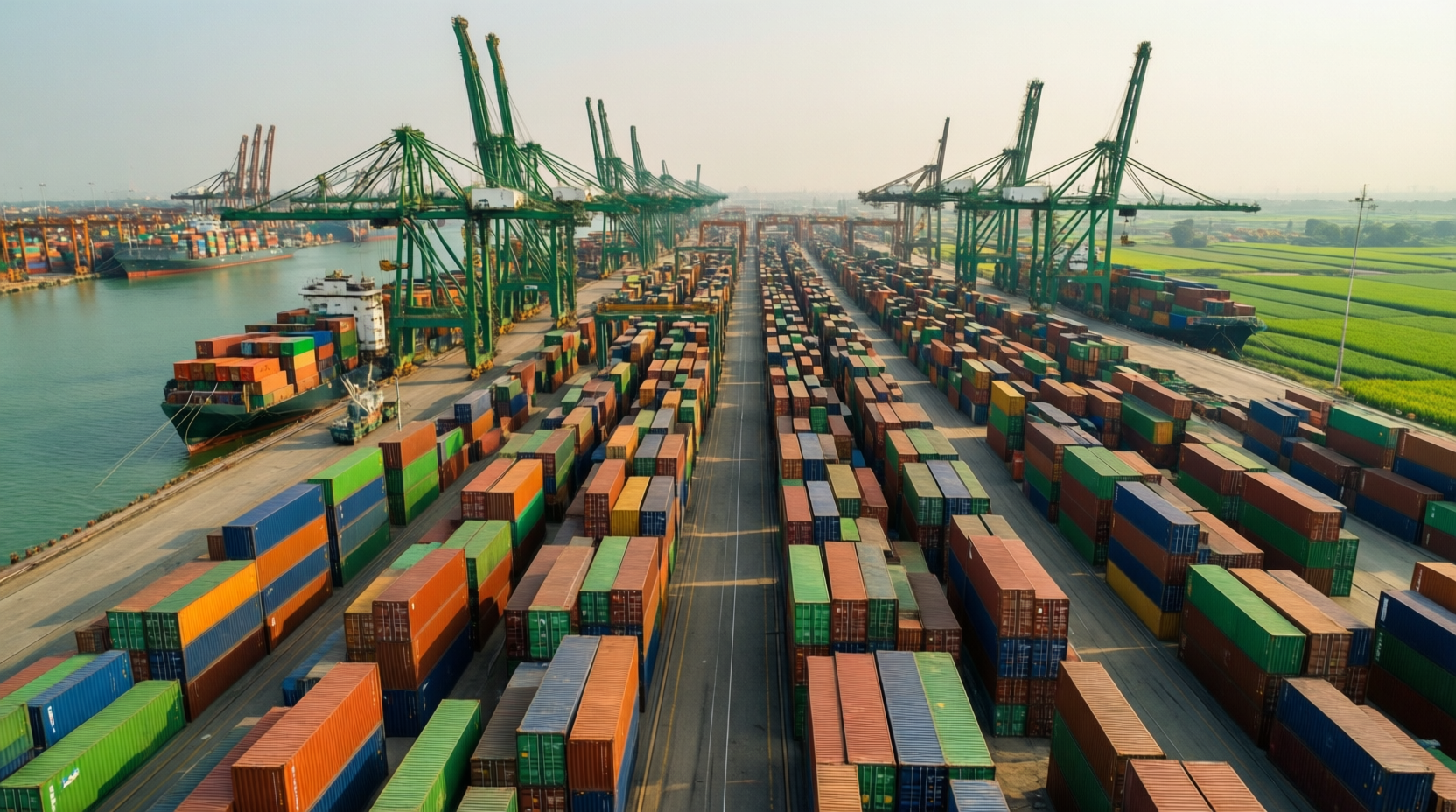
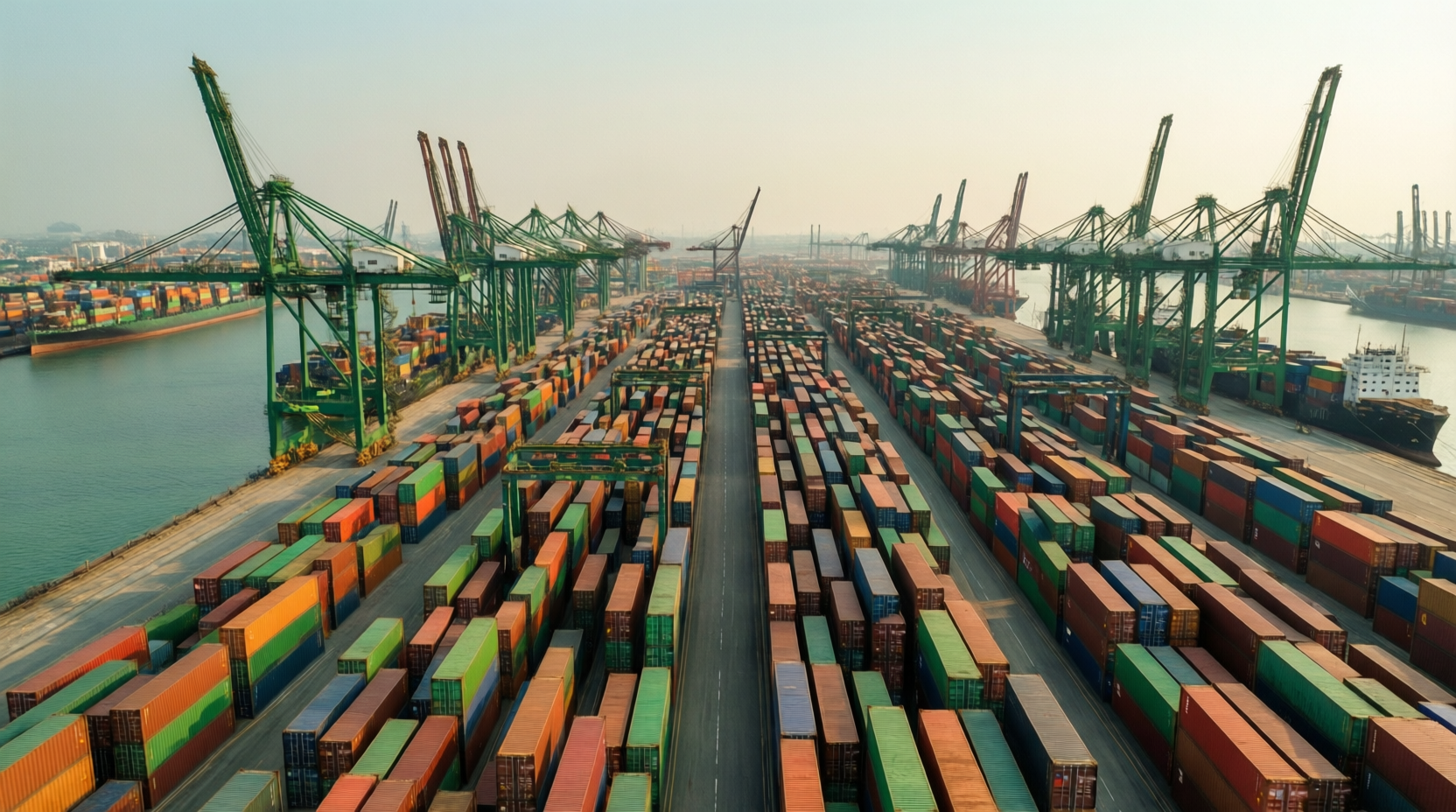
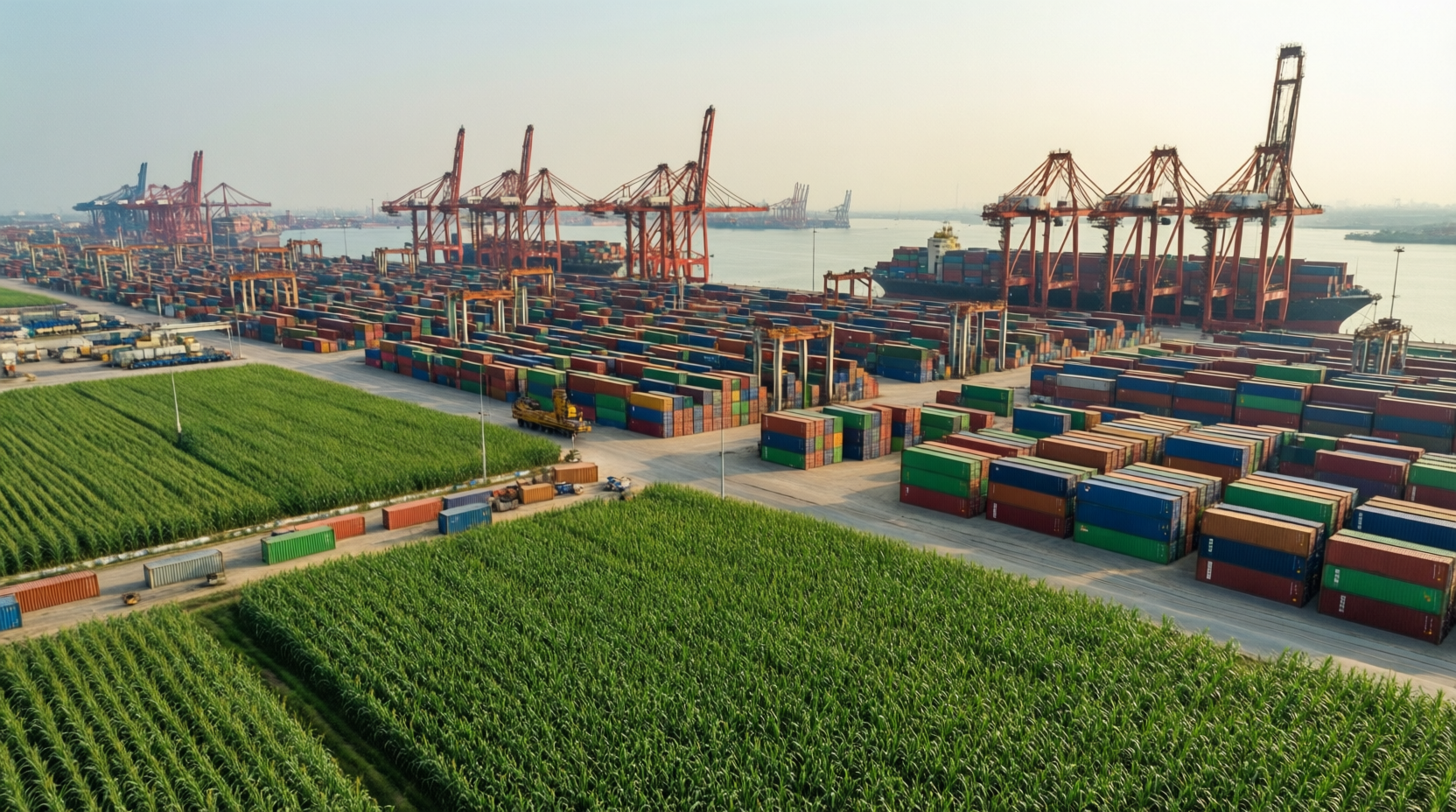
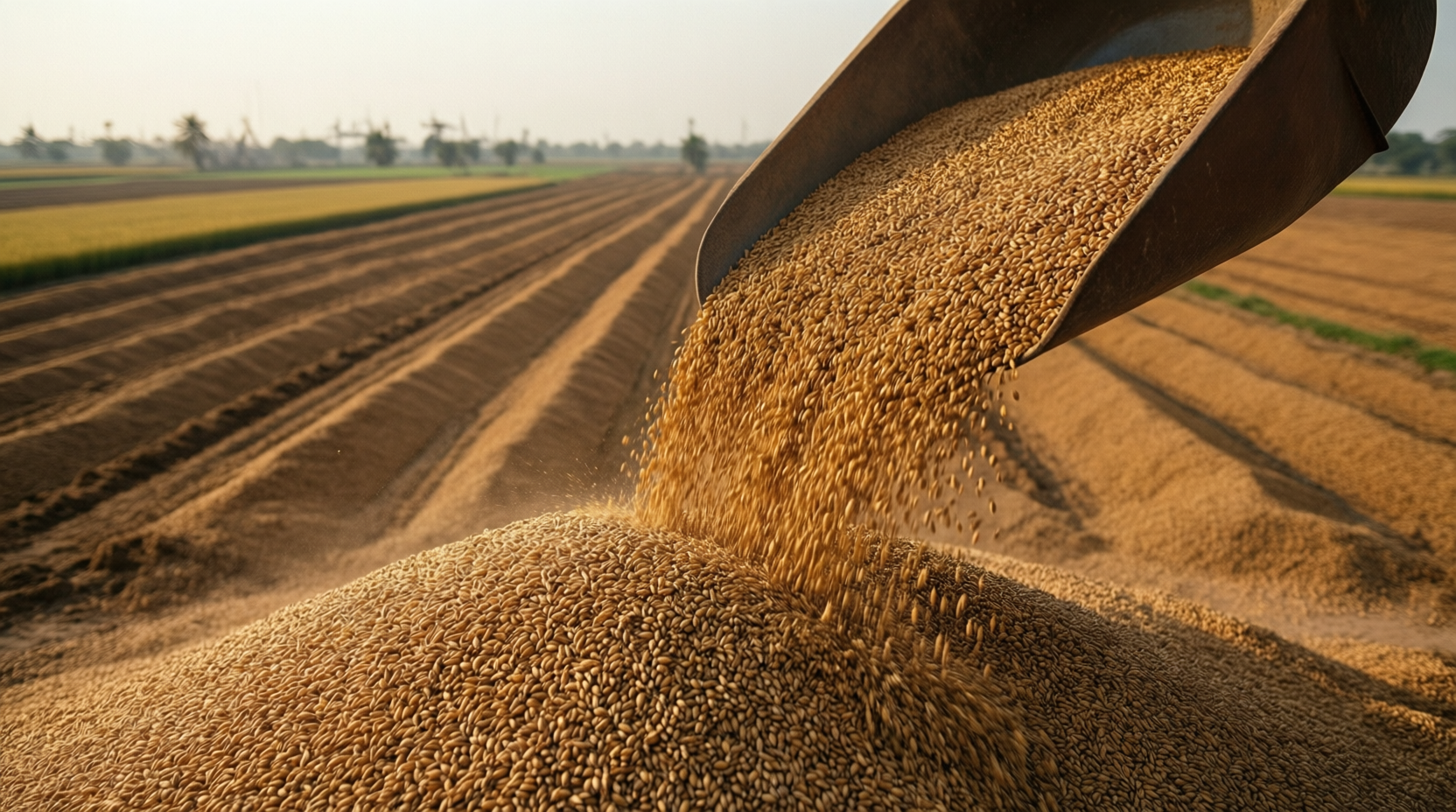
India’s return to wheat exports is primarily driven by a record wheat harvest and an attractive price environment in 2026. Having paused exports for four years to ensure food security, India dispatched its first shipment of 22,000 metric tons to the UAE in early July. This move signals confidence in surplus production and aligns with global demand patterns following supply constraints in other wheat-producing regions.
Which markets are emerging as key destinations for Indian wheat?
The initial shipment to the UAE highlights the Middle East as a strategic market for Indian wheat. Indian exporters are also exploring diversified markets beyond traditional partners, including African and Asian countries where demand for quality wheat is growing. This diversification fits broader trends seen in Indian agro-exports, which have expanded into marine products and coffee to reduce reliance on singular export markets.
What challenges are Indian wheat exporters facing in 2026?
Despite a positive start, India’s wheat exporters confront significant challenges. High global wheat prices, influenced by geopolitical tensions and supply uncertainties, make Indian wheat less competitive compared to some other exporters. Additionally, demand restrictions in price-sensitive markets and logistical hurdles post-pandemic contribute to export limitations.
How does global wheat pricing impact India’s export potential?
Global wheat prices remain elevated in 2026 due to supply tightness worldwide and increased input costs. While favorable for Indian producers looking for higher revenues, these prices reduce the purchasing power of some importing countries. Consequently, demand for Indian wheat could remain capped unless prices moderate or India offers competitive quality-price propositions.
What role could trade liberalization play in supporting Indian wheat exports?
Ongoing negotiations between India and the U.S. aimed at lowering agricultural tariffs could boost the overall competitiveness of Indian agro-exports, including wheat. Trade liberalization measures may open up new markets or expand existing ones, increasing opportunities for Indian exporters. Such deals also present long-term benefits for farmers by improving incomes and export volumes.
How does India’s wheat export performance compare with other agro-export sectors?
While wheat exports have just resumed, other sectors such as marine products, buffalo meat, and coffee have seen robust export growth. Indian agro-exporters have increasingly diversified their portfolios to mitigate risks tied to any single commodity or market. This cross-sector resilience strengthens India’s overall agricultural export footprint globally.
What insights can South Africa’s agricultural export growth provide to India?
South Africa’s record agricultural export performance in 2025, marked by a 10% increase and a strong trade surplus, showcases the benefits of boosting production and diversifying export portfolios. India could draw lessons from South Africa’s strategic market targeting and leveraging of production surpluses to stabilize export earnings amid global uncertainties.
"India’s wheat export resurgence marks a strategic pivot from domestic surplus management to active participation in the global market, balancing opportunities with pricing realities." – Dr. Ananya Sengupta, Agro-Economics Expert
Export Strategy Callout
Exporters should monitor global price trends closely and pursue market diversification to optimize India’s wheat export potential in the changing 2026 landscape.
Key takeaways
- India resumed wheat exports in 2026 after a four-year break, driven by a record harvest and strong global prices.
- High global wheat prices present competitiveness challenges, limiting demand despite surplus production.
- Diversification of Indian export markets, including the Middle East and Africa, is a key trend to reduce dependence on traditional buyers.
- Trade liberalization with key partners like the U.S. could enhance export opportunities and farmer incomes in the medium term.
Frequently asked questions
Why did India stop wheat exports for four years before 2026?
India halted wheat exports to ensure sufficient domestic supply and food security amid fluctuating production and consumption patterns.
How much wheat did India export when it resumed in 2026?
India exported 22,000 metric tons of wheat to the UAE in the first shipment following the four-year hiatus.
What limits demand for Indian wheat internationally?
High global wheat prices and competition from other wheat-exporting countries limit the price-sensitive demand for Indian wheat.
Can trade agreements boost India's wheat exports?
Yes, ongoing trade liberalization talks, especially with the U.S., could lower tariffs and expand market access for Indian agricultural exports, including wheat.
Which markets are currently key for India's wheat exports?
The Middle East, notably the UAE, is a primary market, with expanding interest in African and Asian countries as India diversifies its export destinations.
- Written and reviewed by our in-house trade experts — not AI-generated filler.
- Market figures come from live platform data across thousands of verified trades.
- Every buyer and supplier on The Trade Union is identity- and document-verified.
- Guides are updated as regulations and market conditions change.