On this page
- What is driving Indonesia’s emergence as a rice surplus country?
- How significant is Indonesia’s planned rice export to Singapore?
- What implications does Indonesia’s export have for regional rice trade dynamics?
- How does Indonesia’s export strategy align with government policy?
- What challenges could Indonesia face in expanding its rice exports?
- Which countries in Southeast Asia could benefit from Indonesia’s rice exports?
- What role do regional trade agreements play in facilitating Indonesia’s rice exports?
- How is Indonesia positioning its rice exports in the global market context?
- Key takeaways
- FAQ
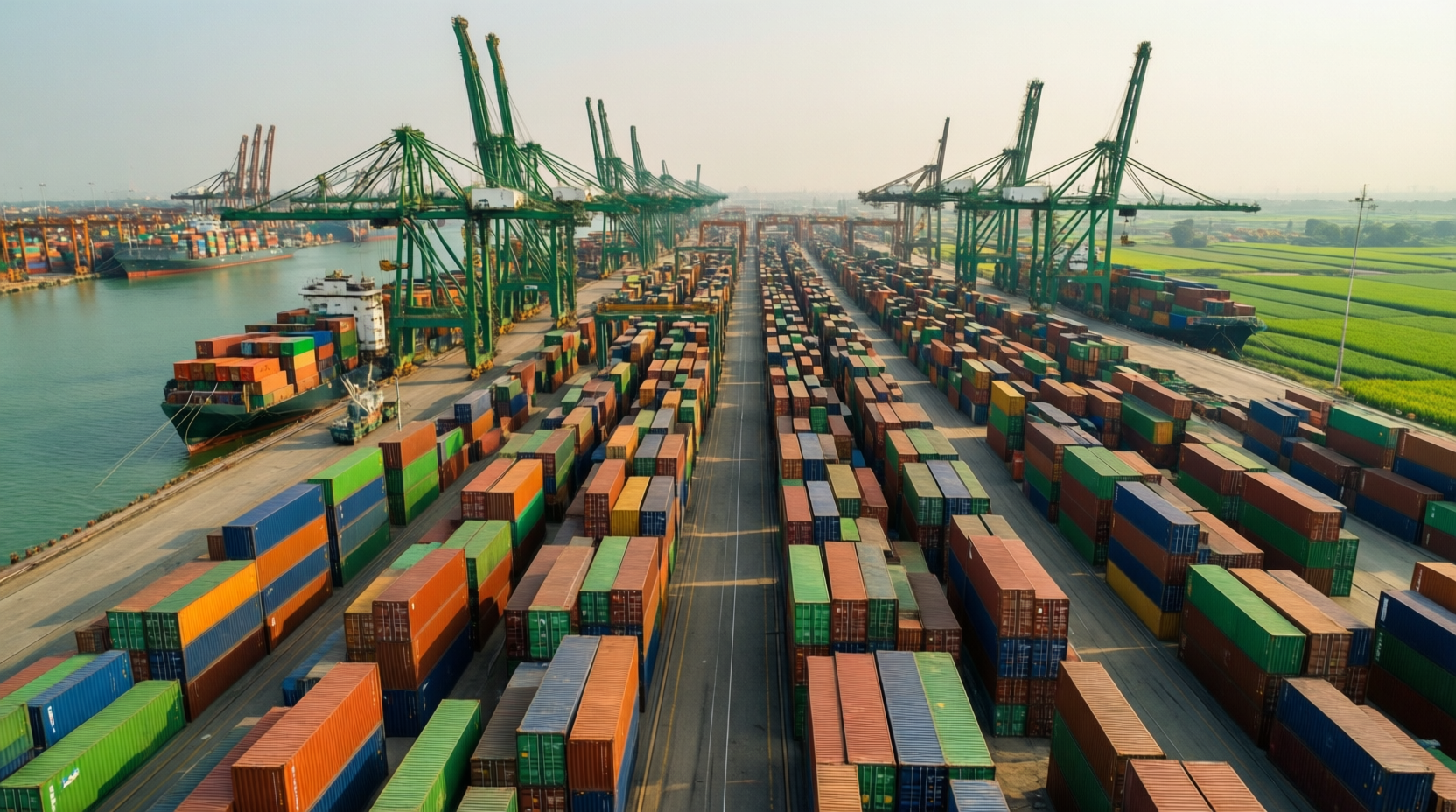
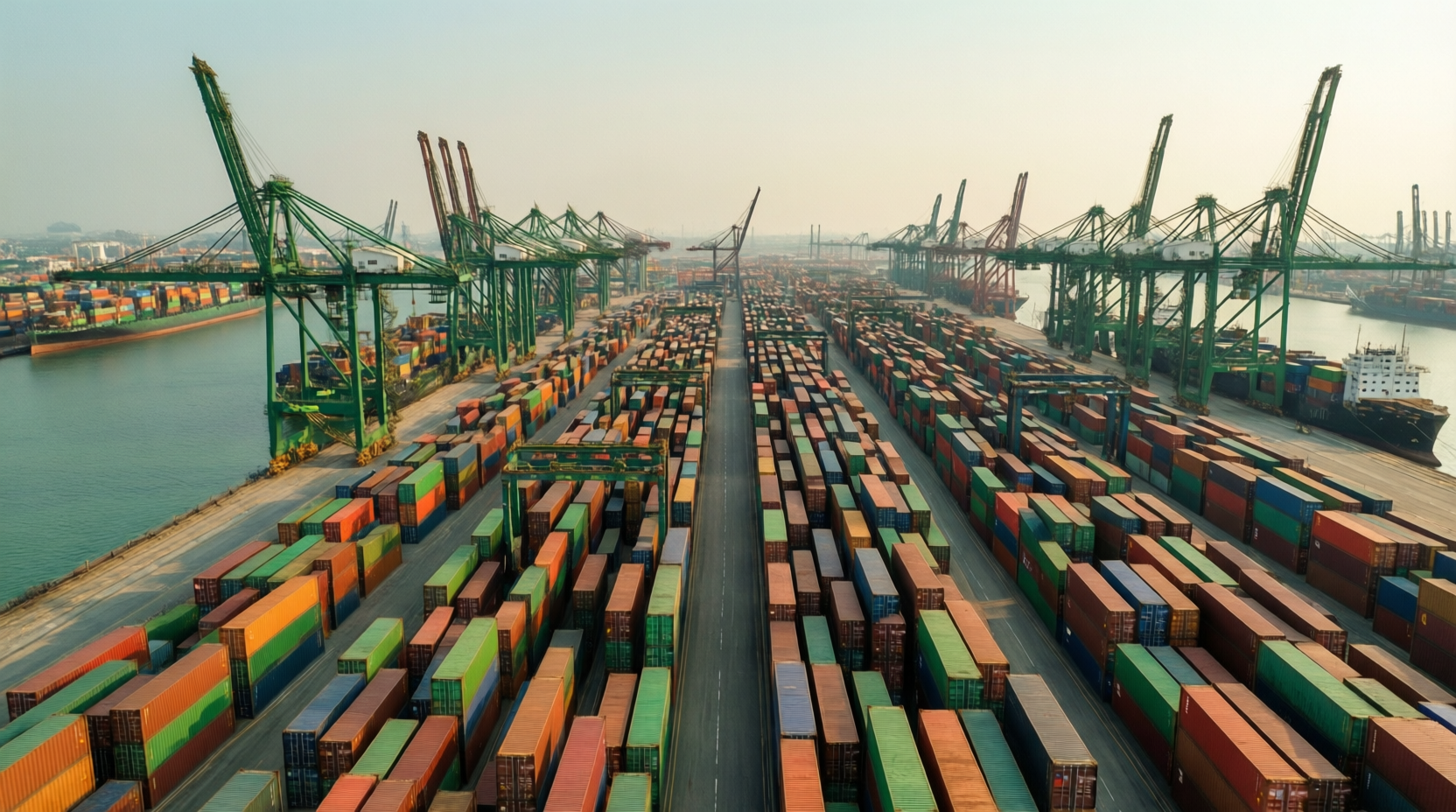
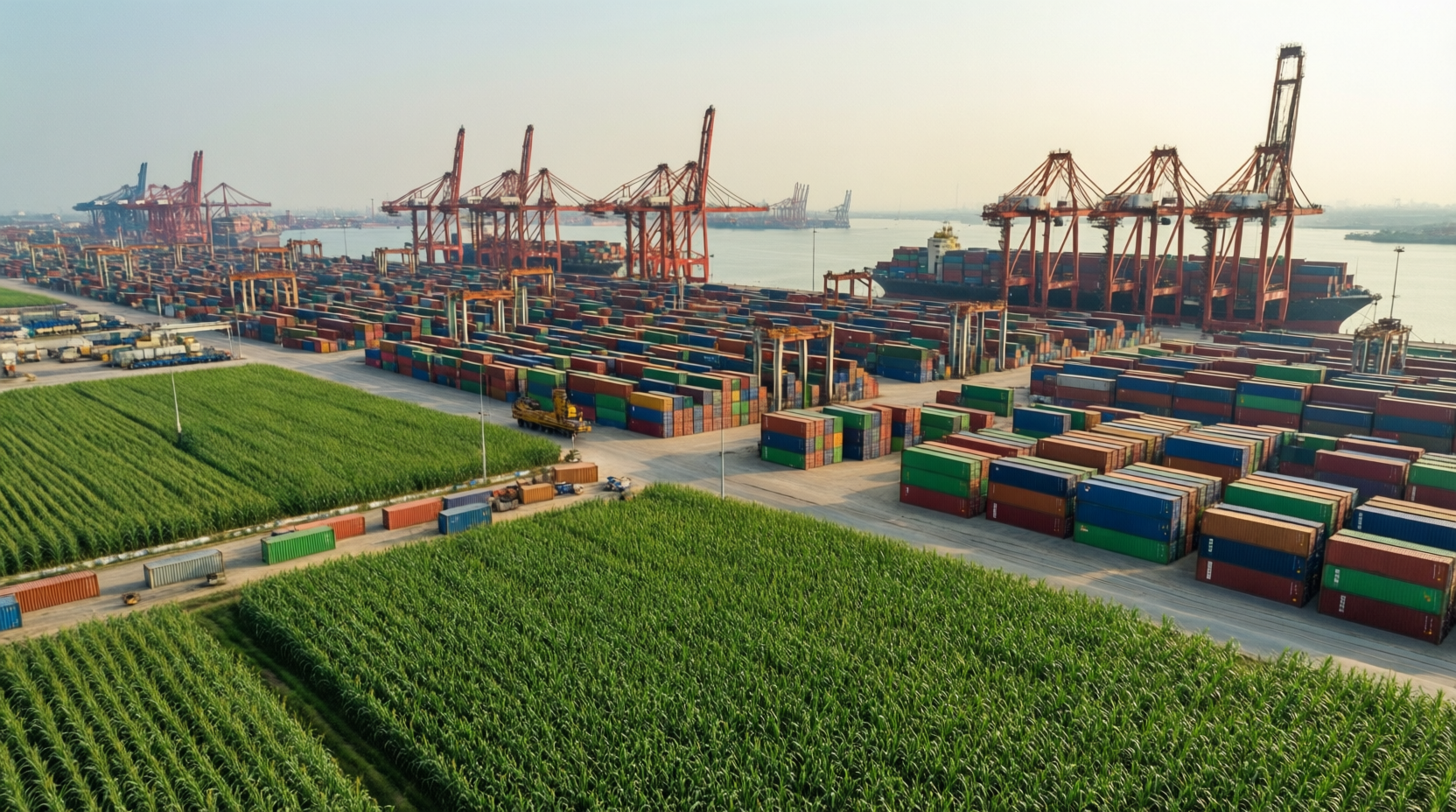
Indonesia, traditionally a rice importer due to its large population, is witnessing a newfound capacity to generate a rice surplus. This development offers opportunities to influence regional rice markets, particularly in Southeast Asia, by exporting premium rice to nearby countries such as Singapore.
What is driving Indonesia’s emergence as a rice surplus country?
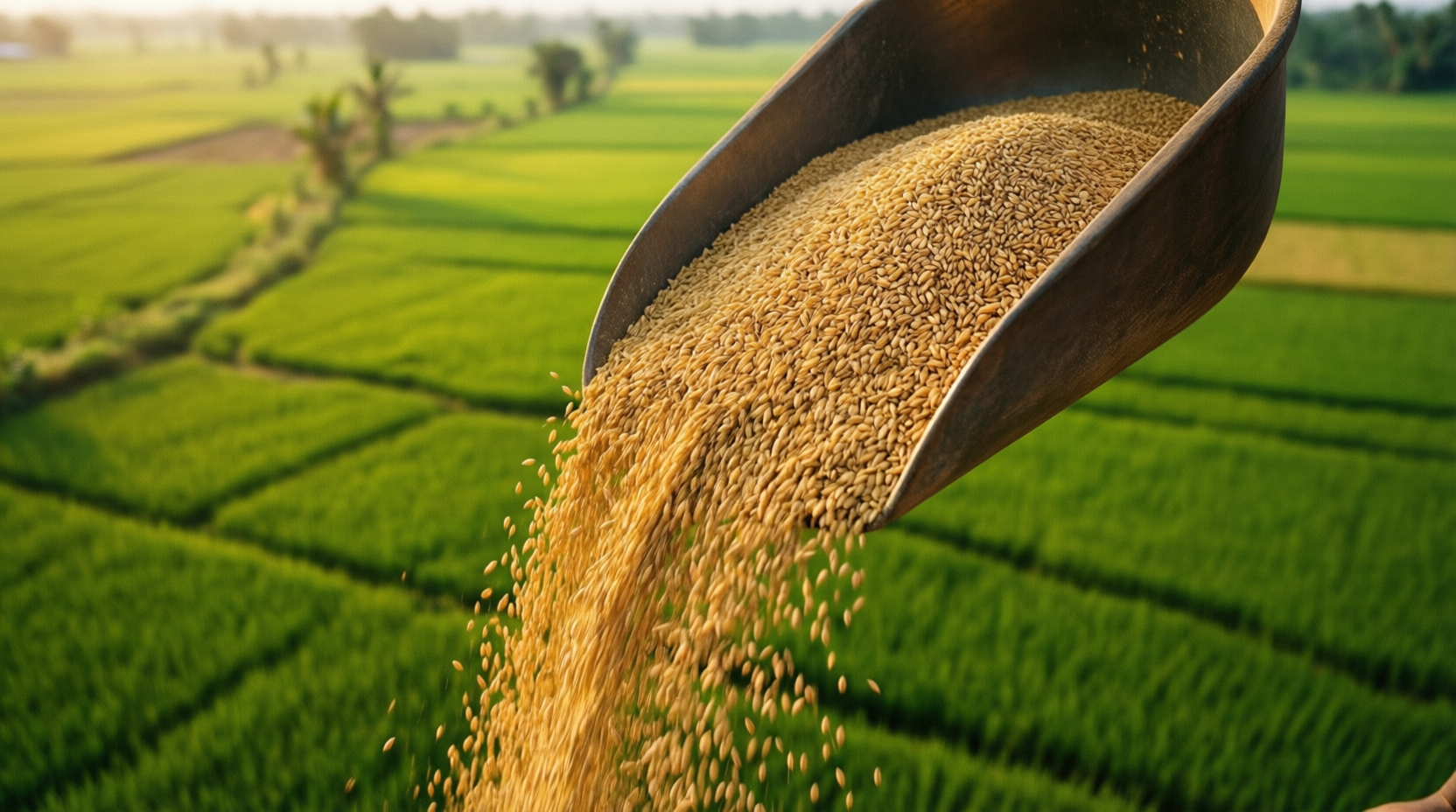
Indonesia has significantly increased rice production through improved farming practices, favorable climate conditions, and strategic government support aimed at food self-sufficiency. Enhanced irrigation systems, technological adoption, and seed quality improvements have contributed to stable yields, transforming the country’s rice output dynamics.
How significant is Indonesia’s planned rice export to Singapore?
Indonesia plans to export 10,000 tons of premium rice to Singapore, marking a strategic entry into the regional rice export market. This volume, while modest on a global scale, is indicative of Indonesia's confidence in its production surplus and its ability to meet high-quality standards desired in export markets.
What implications does Indonesia’s export have for regional rice trade dynamics?
Indonesia’s rice exports could enhance supply diversity and price competitiveness in Southeast Asia, traditionally dependent on rice from Thailand and Vietnam. By leveraging its surplus, Indonesia can stimulate intra-regional trade and strengthen economic ties within ASEAN nations through food security cooperation.
How does Indonesia’s export strategy align with government policy?
The Indonesian government supports export initiatives as part of its broader agricultural and trade policy to boost farmer incomes and reduce dependence on imports. Establishing rice reserves ensures domestic food security while enabling surplus to reach external markets, reflecting a balanced approach to national resource management.
What challenges could Indonesia face in expanding its rice exports?
Challenges include maintaining consistent quality to compete in premium markets, navigating complex export regulations, managing logistics efficiently, and contending with established rice exporters in the region. Geopolitical and currency fluctuations may also influence competitiveness.
Which countries in Southeast Asia could benefit from Indonesia’s rice exports?
Singapore, Indonesia’s initial export target, stands to benefit from diversified rice sources. Other nations with rising demand or production shortfalls, like the Philippines and Malaysia, might also explore imports from Indonesia as part of their food security strategies.
What role do regional trade agreements play in facilitating Indonesia’s rice exports?
ASEAN trade agreements and regional frameworks can reduce tariffs and non-tariff barriers, easing export procedures for Indonesian rice. Participation in such agreements enhances market access and builds trust among trading partners in terms of standards and dispute resolution.
How is Indonesia positioning its rice exports in the global market context?
"Indonesia’s strategic move to export premium rice to Singapore signals its readiness to compete globally while supporting regional food security." – Dr. Sari Dewi, Agricultural Economist
Key insight
Indonesia’s rice export potential represents a shift towards becoming a regional supplier, which could alter Southeast Asia’s traditional rice trade flows and strengthen economic relations within the region.
Key takeaways
- Indonesia has transitioned from a rice importer to a surplus-producing country due to policy support and improved agricultural productivity.
- Planned exports of 10,000 tons of premium rice to Singapore mark Indonesia’s entry into the Southeast Asian rice export market.
- This export potential can diversify regional rice sources, impacting price stability and trade dynamics within ASEAN.
- Challenges remain in sustaining export quality, navigating regulations, and competing with established exporters in the region.
Frequently asked questions
Why is Indonesia now able to export rice despite being a large population country?
Indonesia's improved agricultural productivity and government support have led to a national surplus, enabling export opportunities despite its large domestic consumption.
How much rice is Indonesia planning to export to Singapore?
Indonesia plans to export 10,000 tons of premium rice to Singapore, marking an important step in its regional trade ambitions.
What benefits will regional countries gain from Indonesia's rice exports?
Regional countries can benefit from diversified rice supply sources, improved price competition, and strengthened food security through Indonesia's exports.
What are the main challenges for Indonesia in expanding rice exports?
Key challenges include maintaining export-quality rice standards, handling regulatory hurdles, logistical complexities, and competition with established rice exporters.
How do trade agreements support Indonesia’s rice export ambitions?
Trade agreements within ASEAN reduce tariffs and non-tariff barriers, facilitating smoother market access for Indonesian rice exports.
- Written and reviewed by our in-house trade experts — not AI-generated filler.
- Market figures come from live platform data across thousands of verified trades.
- Every buyer and supplier on The Trade Union is identity- and document-verified.
- Guides are updated as regulations and market conditions change.