On this page
- What are the key components of the cocoa market reforms in Ivory Coast and Ghana?
- How will these reforms affect cocoa farmer incomes?
- What impact can we expect on global cocoa supply and trade?
- How do these reforms align with broader West African agricultural policy trends?
- What challenges might arise from implementing these reforms?
- How can exporters adapt to the evolving cocoa market in Ivory Coast and Ghana?
- Key takeaways
- FAQ
In 2026, Ivory Coast and Ghana—two of the world's largest cocoa producers—are implementing significant market reforms aimed at increasing farmer incomes and stabilizing cocoa supply chains. These reforms come at a crucial time when global demand for cocoa remains strong but volatility in pricing and farmer pay persists. Understanding the details and expected impact of these policy shifts is critical for exporters and stakeholders in the global cocoa industry.
What are the key components of the cocoa market reforms in Ivory Coast and Ghana?
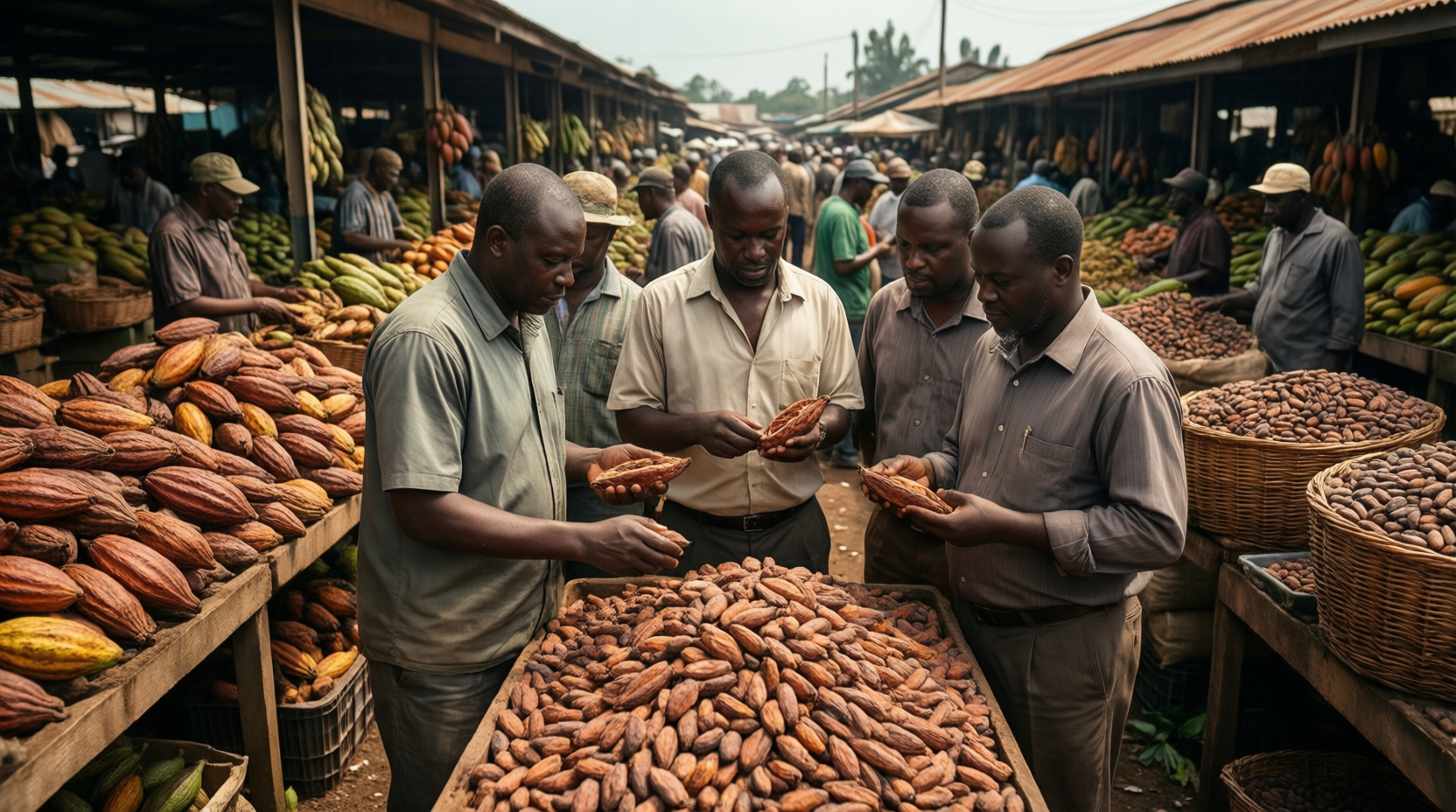
Both countries have introduced regulatory frameworks that aim to raise the guaranteed minimum price paid to cocoa farmers, ensuring fairer compensation for their produce. Additionally, reforms focus on improving the transparency of cocoa pricing mechanisms and strengthening the marketing boards that manage export sales. These changes collectively help increase farmers' bargaining power and income stability.
How will these reforms affect cocoa farmer incomes?
By setting higher floor prices and providing more predictable payment schemes, the reforms are expected to significantly boost the earnings of smallholder cocoa farmers. Improved market structures reduce exploitation by intermediaries and provide farmers with more direct access to export channels, which also contributes to better income security.
What impact can we expect on global cocoa supply and trade?
Stabilizing farmer incomes incentivizes sustained and potentially increased cocoa production, which helps secure steady supply lines for global consumers. Greater market transparency and reform-driven efficiencies could reduce supply shocks, offering more predictability in the international cocoa trade and benefiting buyers and manufacturers alike.
How do these reforms align with broader West African agricultural policy trends?
The cocoa market reforms reflect a wider movement in West Africa towards empowering farmers through improved market access, price stabilization, and promoting sustainable agricultural practices. These changes are part of regional efforts to enhance export competitiveness and ensure that agricultural value chains contribute more equitably to rural livelihoods.
What challenges might arise from implementing these reforms?
- Ensuring compliance across diverse farmer populations and preventing informal selling that undercuts minimum prices.
- Balancing enhanced farmer pay with maintaining export volumes to keep global buyers engaged.
- Addressing infrastructural and logistical constraints that could delay reform benefits reaching remote farming communities.
How can exporters adapt to the evolving cocoa market in Ivory Coast and Ghana?
Exporters should engage proactively with new regulatory bodies and price-setting mechanisms, adjusting contracts and sourcing strategies accordingly. Building closer relationships with farmer cooperatives and investing in quality improvements can help navigate shifts in supply dynamics while supporting sustainable trade practices.
“Reforms in the cocoa sector are more than policy changes; they represent a chance to transform the entire supply chain into a more equitable and sustainable system.” – Dr. Emmanuel Kofi, Agricultural Economist
Insight
Stakeholders in the cocoa trade should closely monitor Ivory Coast and Ghana's market reforms throughout 2026, as these changes set a precedent for farmer empowerment and supply chain stability in the global cocoa sector.
Key takeaways
- Ivory Coast and Ghana raised minimum prices to increase cocoa farmer incomes in 2026 reforms.
- Market transparency improvements aim to reduce exploitation and stabilize global cocoa supply.
- Reforms align with West African agricultural trends promoting equitable, sustainable export growth.
- Exporters must adapt sourcing and pricing strategies to evolving market regulations and farmer dynamics.
Frequently asked questions
What are Ivory Coast and Ghana doing to improve cocoa farmer incomes?
Both countries have introduced market reforms that raise minimum guaranteed prices for cocoa, ensuring farmers receive fairer pay and more predictable income.
How do these reforms impact global cocoa supply?
By stabilizing farmer earnings and increasing production incentives, the reforms help ensure more consistent and reliable cocoa supply to global markets.
Are there any risks with the new cocoa market reforms?
Challenges include enforcing new pricing rules, avoiding reduced export volumes, and overcoming logistics hurdles to effectively implement reforms nationwide.
What should cocoa exporters know about these reforms?
Exporters need to adjust to new pricing structures, work closely with local cooperatives, and stay informed about regulatory changes to maintain smooth trade flows.
Do these reforms reflect wider trends in West African agriculture?
Yes, they are part of broader initiatives to empower farmers, improve market access, and promote sustainable agriculture across the region.
- Written and reviewed by our in-house trade experts — not AI-generated filler.
- Market figures come from live platform data across thousands of verified trades.
- Every buyer and supplier on The Trade Union is identity- and document-verified.
- Guides are updated as regulations and market conditions change.