On this page
- A New Peak: July 2026 Container Freight Rates for Indian Exporters
- Freight Volatility’s Impact: MSMEs Squeezed
- Container Shipping Cost Analysis: Why July 2026 Is Different
- Africa’s Agro Exporters: New Wins, New Pressures
- How to Manage Freight Rate Risk in 2026: Survival Tips
- Final Word: Stay Nimble, Stay Profitable
July 2026 is shaping up to be a critical juncture for India and Africa’s small agri exporters as sharp jumps in container freight rates threaten to erode already thin profit margins. With logistics costs spiraling—particularly for those booking spot containers—the search for survival strategies has never been more urgent.
A New Peak: July 2026 Container Freight Rates for Indian Exporters
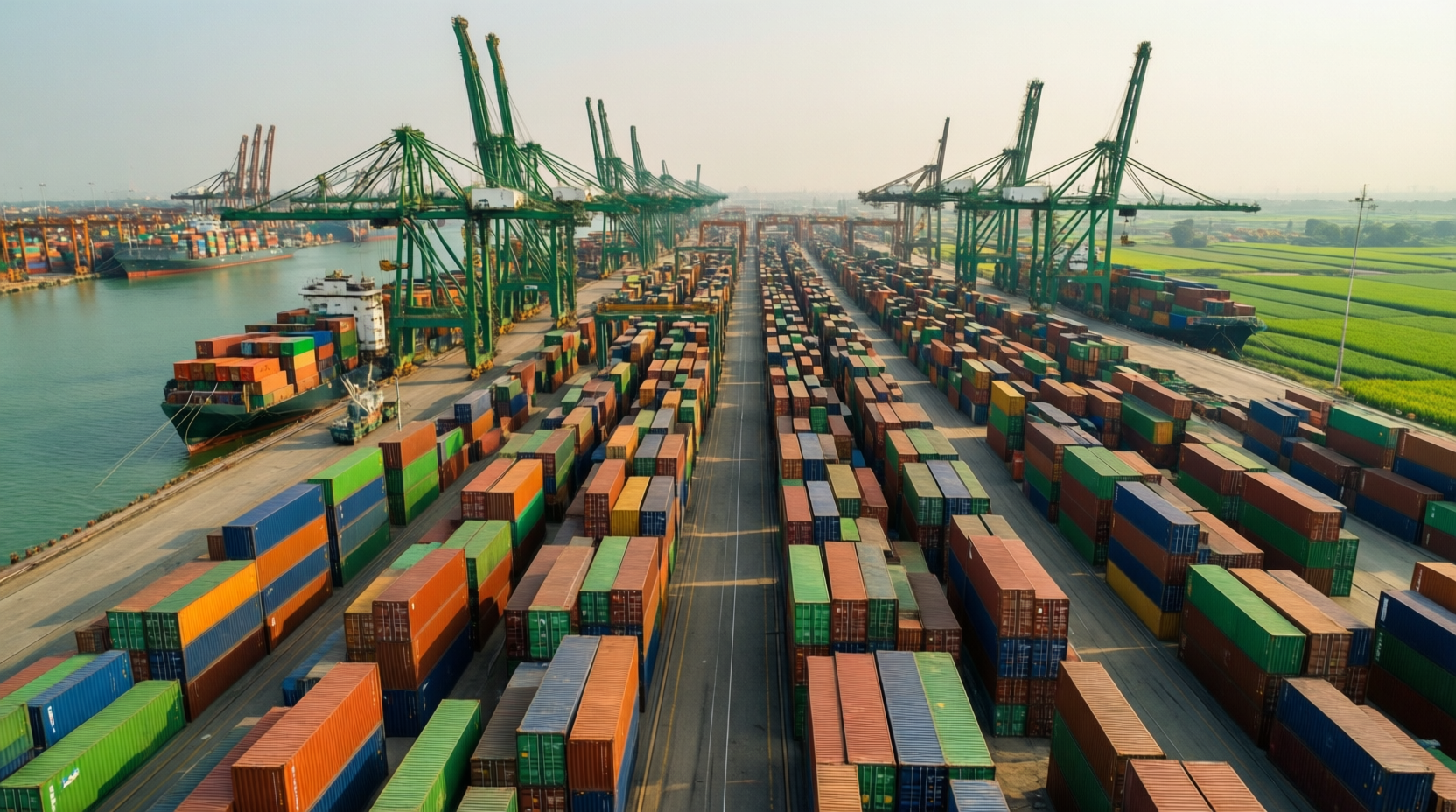
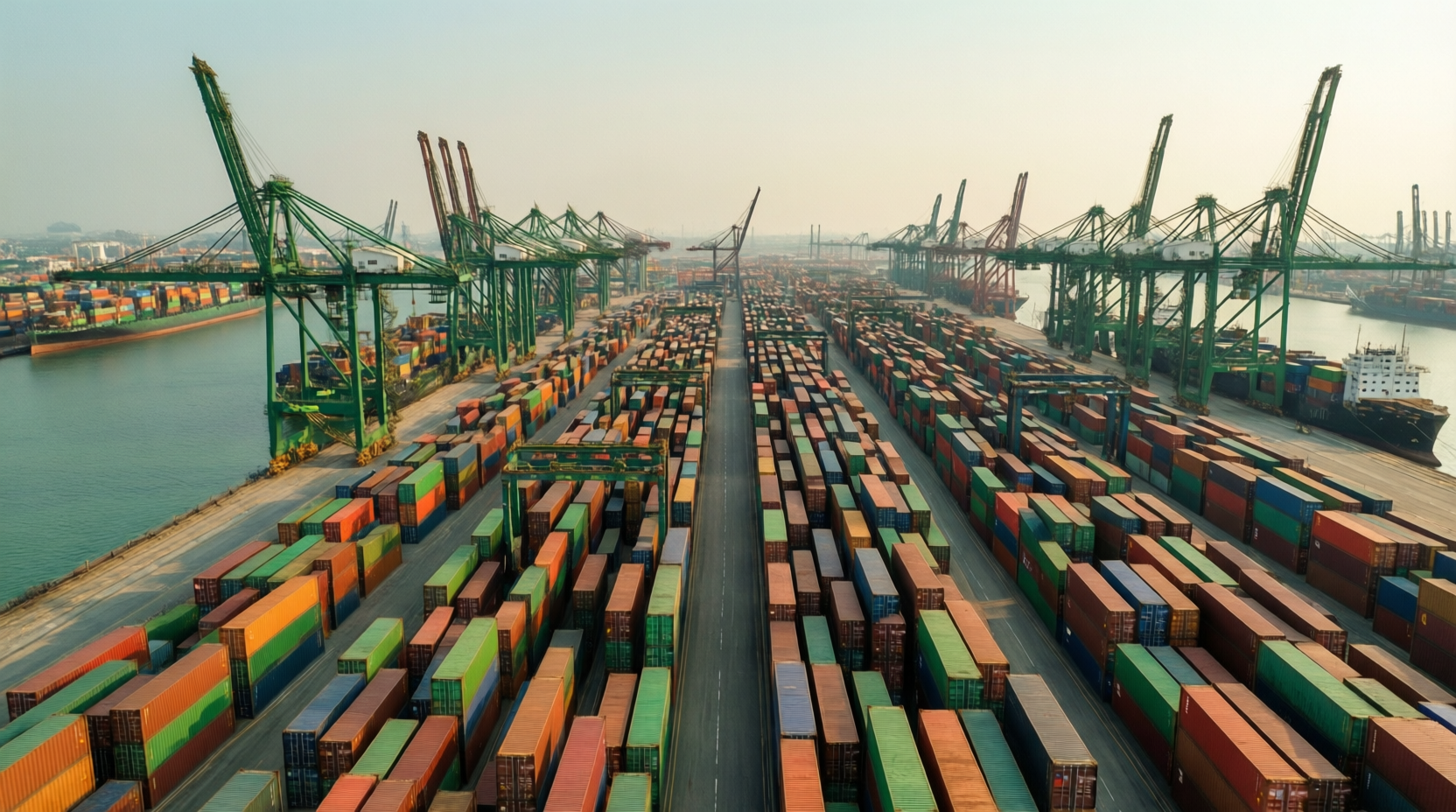
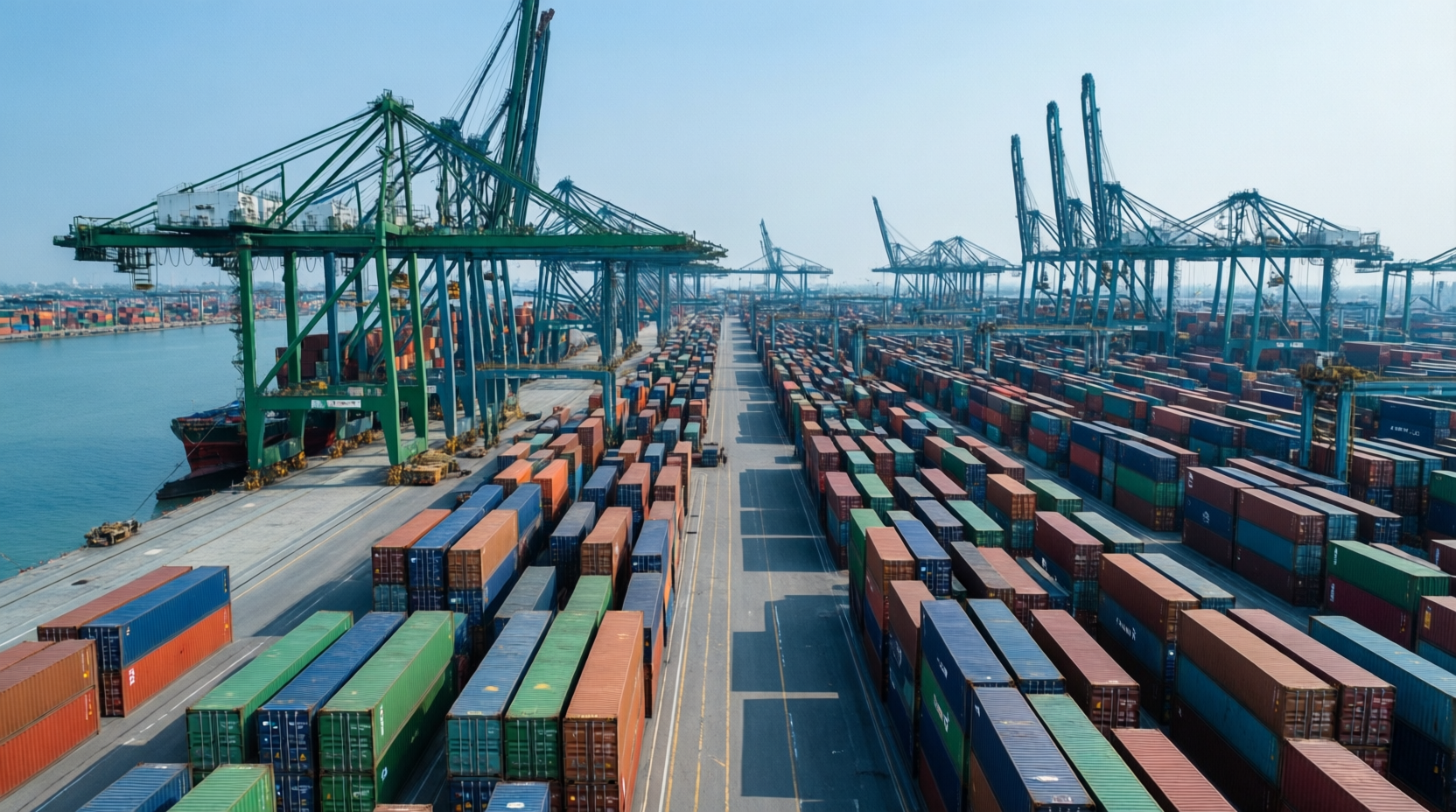
The cost of shipping a container out of India and Africa in July 2026 has soared to $7,000–$13,000 per FEU (forty-foot equivalent unit), with key routes like MSC’s Algeria–North Africa fetching $9,500–$9,900 per FEU. The reasons are complex: Red Sea disruptions, peak season demand, and blank sailings all contribute, but the real-world impact falls hardest on MSME exporters who often rely on spot bookings without the bargaining power of larger peers.
Freight Volatility’s Impact: MSMEs Squeezed
While India’s export numbers—$43.7 billion in April 2026, up 13.4% YoY—paint a positive picture, smaller shippers see profits shrinking. Volatile container shipping costs make it nearly impossible to lock in margins. In the agro sector, where commodity prices and payment cycles are already unpredictable, an unexpected $2,000+ per container rate hike can wipe out net returns on a single order.
Container Shipping Cost Analysis: Why July 2026 Is Different
- Red Sea security issues continue to disrupt traditional Suez routes, causing delays and detours.
- Peak season surges—driven by both US and EU importers—are pushing up rates worldwide.
- Blank sailings by major liners create artificial supply scarcity, supporting elevated price levels.
- Middle East and Indian Subcontinent routes show oversupply, leading to rate divergence and unpredictability.
Africa’s Agro Exporters: New Wins, New Pressures
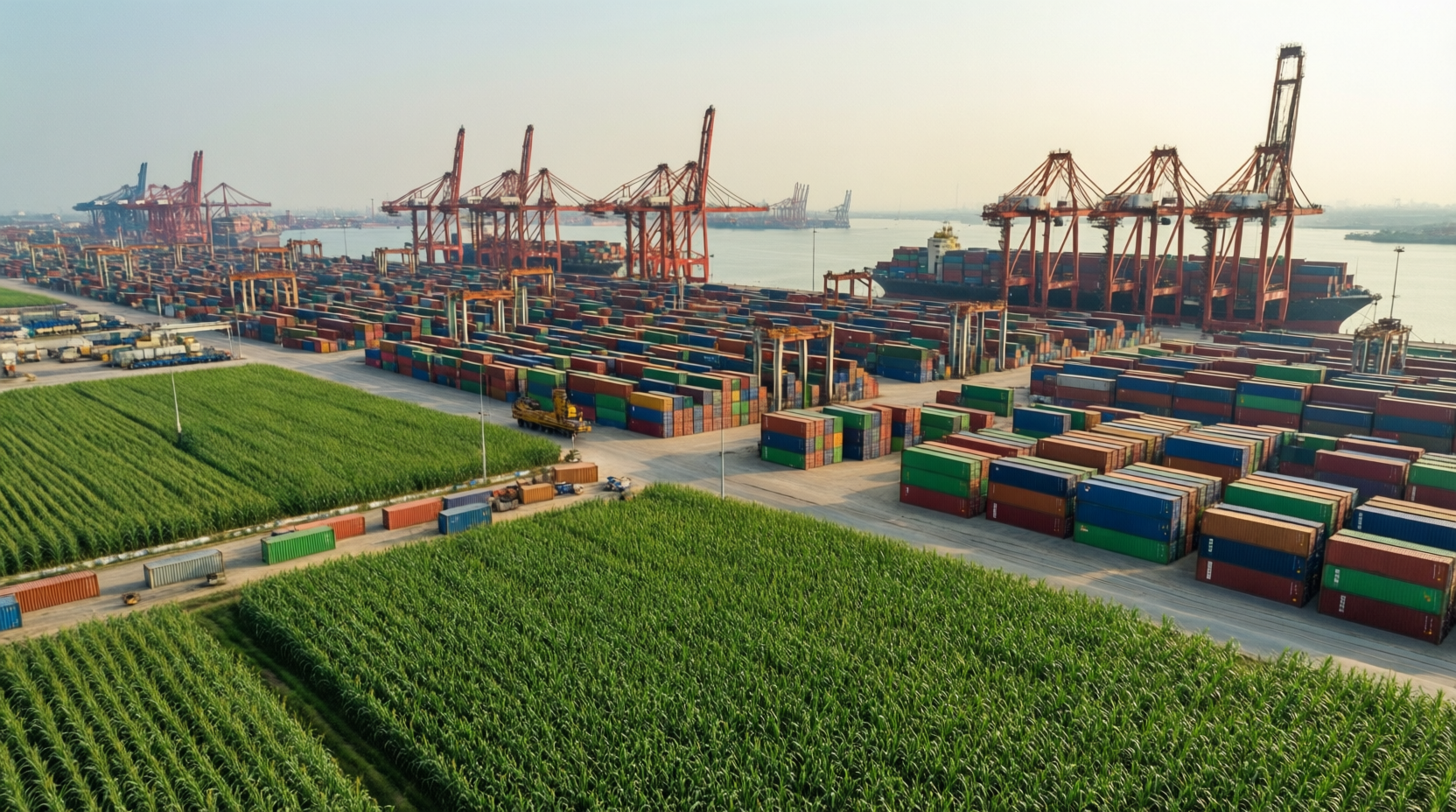
South Africa’s strong Q2–Q3 2026 agri export streak (especially for maize and table grapes) hasn’t insulated small exporters from logistical headaches. Even with new market access and bumper harvests, flash floods and vessel delays threaten perishable shipments. Costly, unpredictable container rates erode competitiveness for SMEs vying for margins in distant markets.
Quote
Every rate spike eats away 10–25% of our margin. For MSMEs, that’s the difference between break-even and survival.
How to Manage Freight Rate Risk in 2026: Survival Tips
- 1Seek forward contracts with freight forwarders to lock key lanes for at least a portion of your shipments.
- 2Bundle shipments for volume discounts—cooperate with other MSMEs on similar routes.
- 3Use digital platforms to monitor spot and contract rate swings daily.
- 4Factor a dynamic container cost clause into export contracts when negotiating with buyers.
- 5Explore alternate nearby ports or shipping windows to sidestep peak-rate spikes.
Looking ahead, India’s upcoming FEMA (2026) regulations may bring some compliance relief to MSMEs, and use of FTAs can trim overall logistics costs—but only if exporters monitor rate changes and strategize proactively.
For real-time freight intelligence and collaborative shipping options, explore digital platforms like The Trade Union to stay ahead of market volatility.
Final Word: Stay Nimble, Stay Profitable
In July 2026, container rate volatility isn’t just a cost issue—it’s a survival test for small agri exporters in India and Africa. Those who invest in smarter logistics, leverage new regulations, and act fast on market signals will find ways to protect their edges in this turbulent global trade environment.
- Written and reviewed by our in-house trade experts — not AI-generated filler.
- Market figures come from live platform data across thousands of verified trades.
- Every buyer and supplier on The Trade Union is identity- and document-verified.
- Guides are updated as regulations and market conditions change.