On this page
- What agro export products benefit most from tariff reductions under India-UK CETA?
- How can exporters capitalize on these tariff benefits to diversify beyond traditional markets?
- What are the essential compliance steps Indian agro exporters must adhere to under India-UK CETA?
- How has the India-UK trade pact impacted export orders since its rollout?
- Which UK market segments show promising demand for diversified Indian agro products?
- How do reduced tariffs influence pricing strategies and competitiveness in the UK market?
- What logistical considerations should exporters keep in mind under the new trade framework?
- Key takeaways
- FAQ
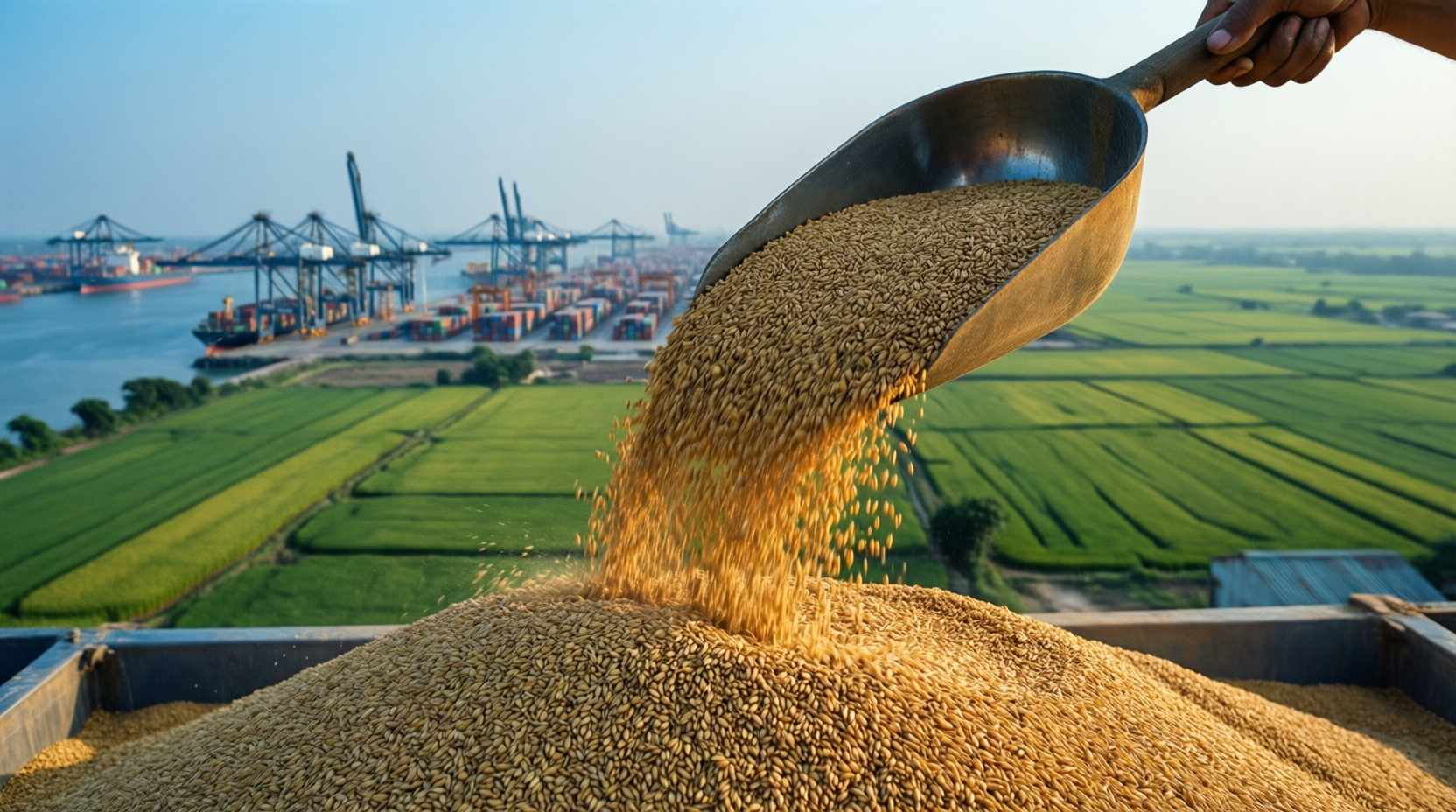
With the India-UK Comprehensive Economic and Trade Agreement (CETA) coming into effect in mid-July 2026, Indian agro exporters are presented with a pivotal chance to broaden their export portfolios. While textiles and footwear have dominated bilateral trade traditionally, this agreement opens the door for agro commodities to gain a stronger foothold in the UK market through reduced tariffs and streamlined trade procedures.
What agro export products benefit most from tariff reductions under India-UK CETA?
How can exporters capitalize on these tariff benefits to diversify beyond traditional markets?
What are the essential compliance steps Indian agro exporters must adhere to under India-UK CETA?
How has the India-UK trade pact impacted export orders since its rollout?
Which UK market segments show promising demand for diversified Indian agro products?
How do reduced tariffs influence pricing strategies and competitiveness in the UK market?
'India's agro export sector is poised for transformation under CETA, not by relying on old staples but by innovating and catering to evolving UK consumption patterns.'
Actionable Insight
Pro Tip: Regularly monitor CETA updates via official portals like APEDA and the UK Department for International Trade to stay ahead on tariff schedules and compliance requirements, maximizing export benefits.
What logistical considerations should exporters keep in mind under the new trade framework?
Key takeaways
- India-UK CETA, effective July 2026, cuts tariffs on diverse agro products beyond traditional exports.
- Obtaining proper certification and compliance is critical to access tariff benefits and meet UK SPS standards.
- UK market segments such as organic foods and specialty stores offer promising demand for Indian agro exports.
- Improved logistics and customs processes under CETA enhance delivery speed and cost efficiency for exporters.
Frequently asked questions
Which agro products are newly tariff-reduced under the India-UK CETA?
The agreement reduces or removes tariffs on dried fruits, spices, pulses, teas, coffees, and certain processed foods, enabling more competitive pricing in the UK.
How can I ensure my agro exports qualify for tariff benefits under CETA?
You must obtain a Certificate of Origin and comply with UK sanitary and phytosanitary standards, as well as Indian export certification norms like those from APEDA.
What UK buyer segments are growing interest in Indian agro products?
Health-conscious consumers, organic product purchasers, specialty food retailers, and ethnic grocery chains demonstrate rising demand for diversified Indian agro exports.
How has the India-UK trade pact affected export volumes so far?
There has been a surge in orders following the July 2026 CETA rollout, especially for value-added and niche agro products benefiting from tariff reductions.
What logistics improvements accompany the India-UK CETA for agro exports?
Simplified customs procedures and reduced tariffs under CETA lead to shorter clearance times and better freight planning opportunities, particularly beneficial for perishable goods.
- Written and reviewed by our in-house trade experts — not AI-generated filler.
- Market figures come from live platform data across thousands of verified trades.
- Every buyer and supplier on The Trade Union is identity- and document-verified.
- Guides are updated as regulations and market conditions change.