On this page
- What are the main monsoon-related logistics challenges facing rice and raisin exports?
- How can exporters incorporate weather intelligence into supply chain planning?
- What alternative logistics solutions help overcome transport bottlenecks during monsoons?
- How important is warehousing strategy in managing monsoon risks for agro-exports?
- What role do forward contracts and partnerships play in mitigating supply chain risk?
- Are digital tools effective for monitoring shipment progress during the monsoon season?
- What quality control measures should exporters reinforce during monsoon shipments?
- How can exporters leverage government and trade bodies' support during monsoon disruptions?
- Key takeaways
- FAQ
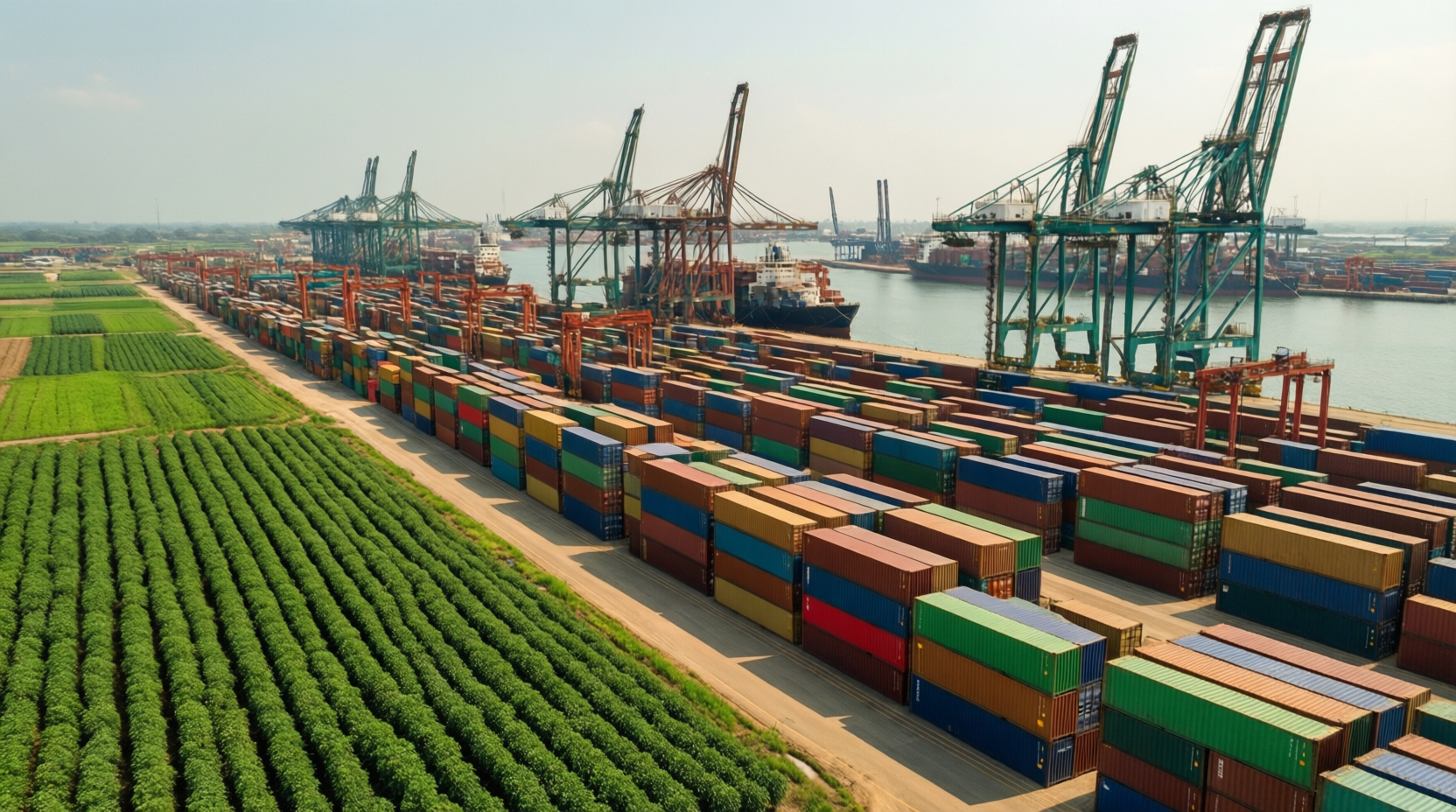
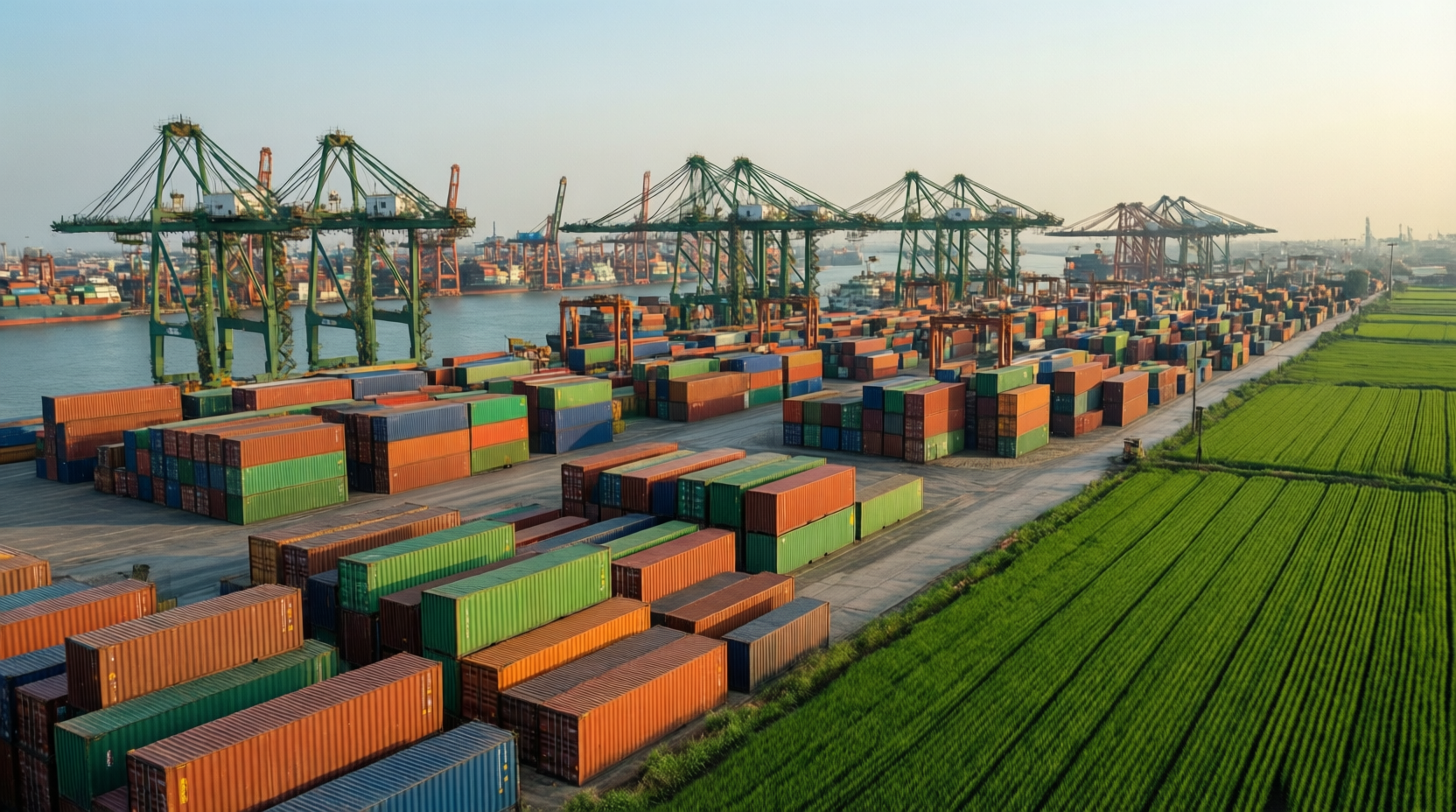
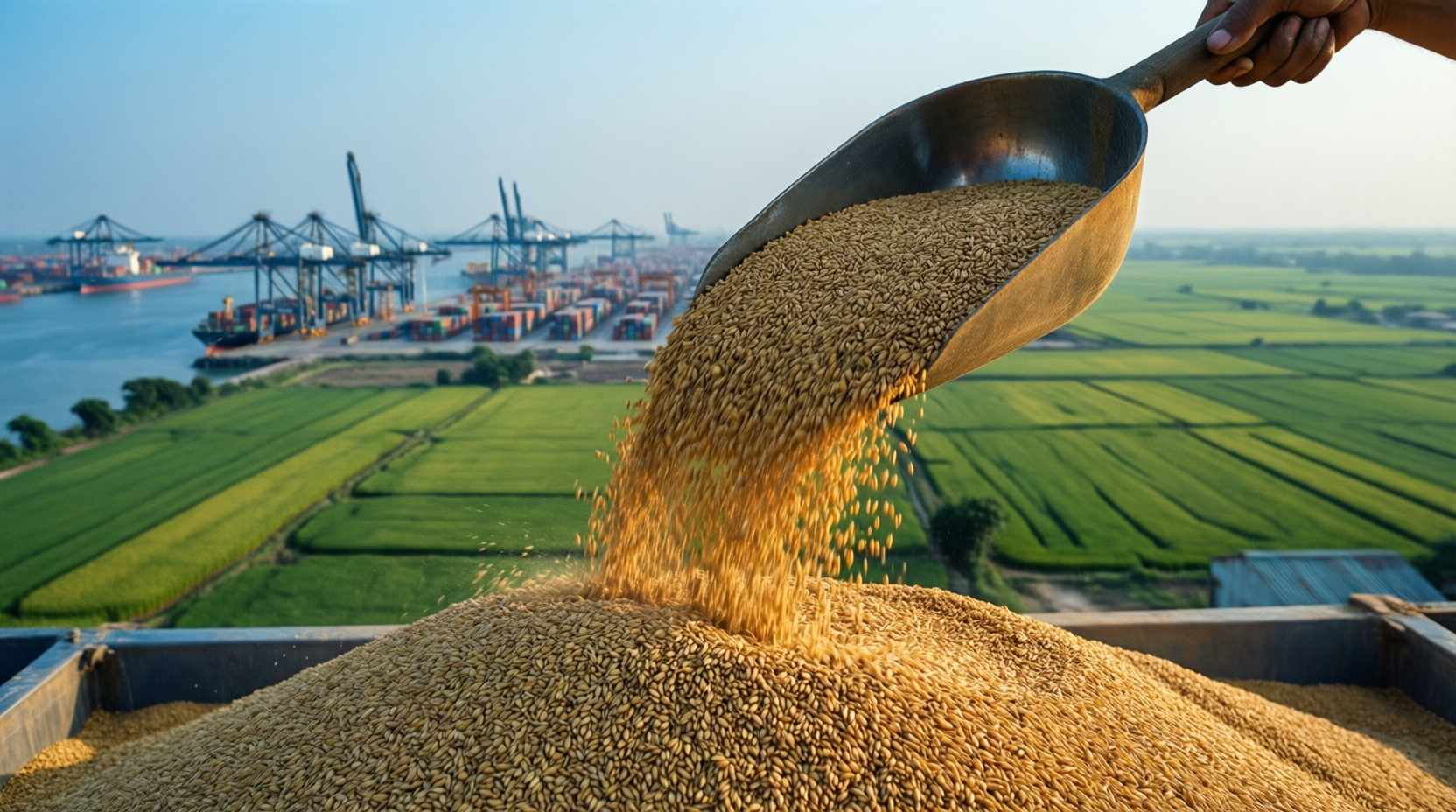
Heavy monsoon rains in key Indian growing regions such as Maharashtra and Andhra Pradesh are posing unprecedented challenges to rice and raisin exporters. The combination of field-level crop impact, drying delays, and transportation bottlenecks requires exporters to rethink conventional logistics approaches to maintain global delivery commitments while safeguarding product integrity.
What are the main monsoon-related logistics challenges facing rice and raisin exports?
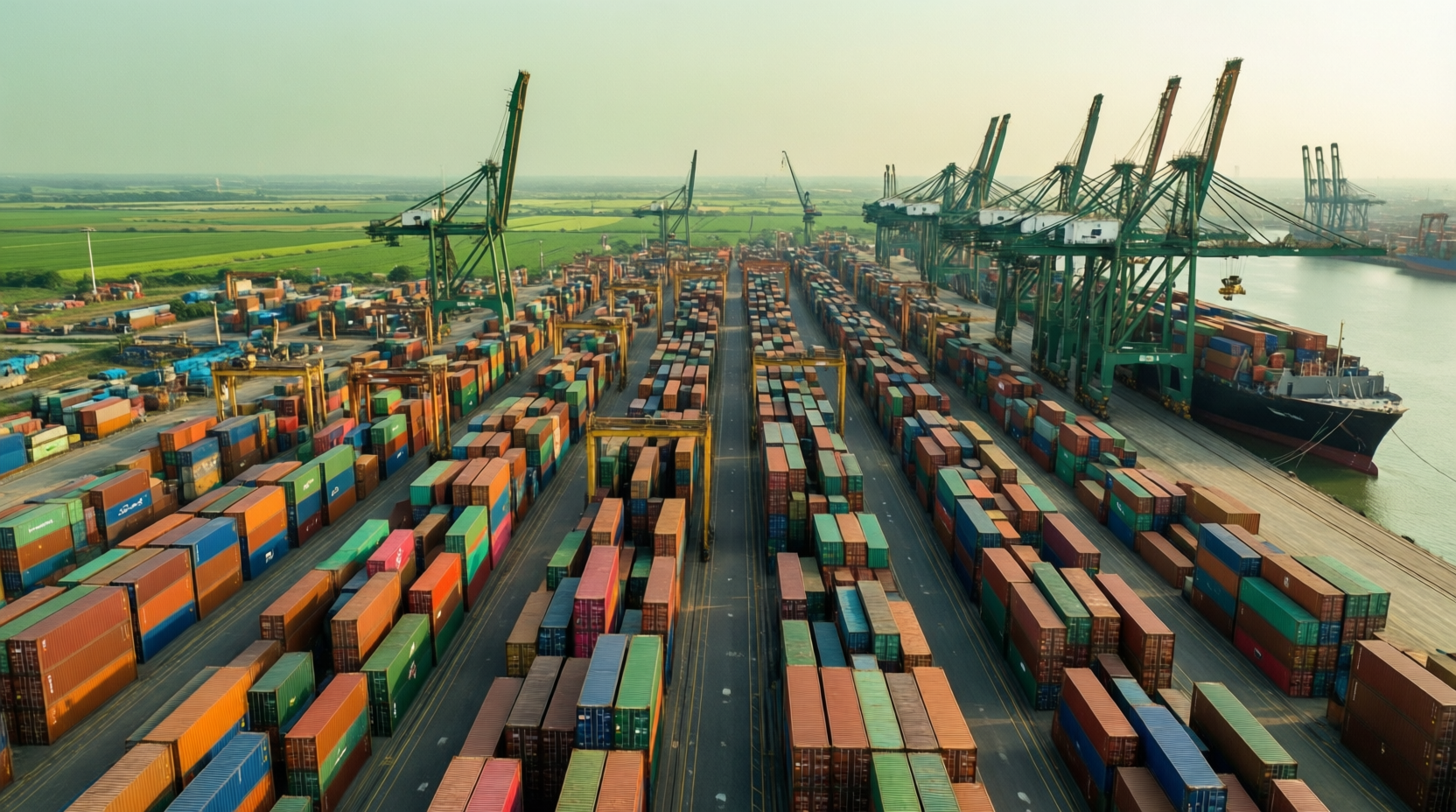
Monsoon rains disrupt multiple facets of the supply chain. For rice, waterlogged fields and delayed harvesting push back timelines. Raisins, being sun-dried, face prolonged drying cycles due to humidity, leading to potential mold growth and quality issues. Transport infrastructure like rural roads and ports often become congested or damaged, causing shipment delays. Additionally, container availability can tighten as port operations slow during heavy rain periods.
How can exporters incorporate weather intelligence into supply chain planning?
Leveraging localized weather forecasts and early warning systems allows exporters to anticipate disruptions. By collaborating with meteorological agencies or subscribing to agri-specific weather services, exporters can adjust harvest schedules, optimize drying procedures, and plan staggered shipments. This proactive approach reduces surprise delays and enables contingency allocation of transport resources.
What alternative logistics solutions help overcome transport bottlenecks during monsoons?
- Utilize rail freight as an alternative to road transport where feasible, as rail lines are often less affected by monsoon flooding.
- Partner with multimodal logistics providers who can switch between trucks, rail, and waterways to bypass disrupted routes.
- Schedule bulk shipments during less congested periods and use smaller, more frequent consignments to manage unpredictable road conditions.
- Work closely with port authorities to prioritize export cargo handling to avoid demurrage during weather-induced slowdowns.
How important is warehousing strategy in managing monsoon risks for agro-exports?
Strategic placement of warehouses near production hubs and transport nodes helps buffer against delays. Exporters should invest in moisture-controlled storage facilities to preserve raisin quality during extended drying times. Inventory management systems that track stock ageing and readiness for shipment allow more precise export scheduling, reducing risk from unexpected weather events.
What role do forward contracts and partnerships play in mitigating supply chain risk?
Engaging in forward freight agreements can secure vessel or container space in advance, shielding exporters from last-minute shortages. Establishing partnerships with reliable freight forwarders experienced in monsoon-season operations ensures access to contingency options. Collaborations with local cooperatives and farmers also improve harvest timing and quality grading under monsoon variability.
Are digital tools effective for monitoring shipment progress during the monsoon season?
Yes. Exporters are increasingly adopting GPS tracking, IoT sensors, and blockchain platforms for real-time visibility of shipments. These technologies enable rapid response to delays, rerouting if necessary, and transparent communication with buyers. Digital document management ensures smooth customs clearance despite operational disruptions.
What quality control measures should exporters reinforce during monsoon shipments?
Maintaining strict phytosanitary checks and moisture level monitoring is critical to prevent spoilage. Conducting pre-shipment inspections and applying appropriate packaging technologies such as desiccants and humidity barriers help uphold product standards. Exporters should also ensure compliance with importing country regulations that may enforce stringent quality thresholds during monsoon months.
How can exporters leverage government and trade bodies' support during monsoon disruptions?
Agencies such as APEDA provide market intelligence, logistics advisories, and potential subsidies for infrastructure improvements. Exporters can utilize government schemes for warehousing upgrades and participate in trade fairs like Gulfood or Anuga to build new market connections that might offer more flexible delivery windows. Staying informed via exporters' councils facilitates timely alerts on transport and policy changes.
“Incorporating advanced weather analytics and flexible transport options has transformed our monsoon export operations, minimizing delays and protecting product quality.” – Export Logistics Manager, Mumbai-based raisin exporter
Key Strategy Reminder
Exporters should prioritize integrating weather intelligence, multimodal logistics, digital monitoring, and strategic warehousing to navigate monsoon challenges effectively. Early planning and proactive risk mitigation safeguard Indian rice and raisin shipments, ensuring competitive advantage in global markets despite seasonal disruptions.
Key takeaways
- Monsoon rains cause delays in harvesting, drying, and transport, impacting Indian rice and raisin exports.
- Using localized weather forecasts helps exporters proactively adjust supply chain timing and logistics routes.
- Alternative transport modes like rail and multimodal solutions can bypass monsoon-affected roadways and ports.
- Investment in moisture-controlled warehouses near production hubs preserves product quality during extended monsoon periods.
Frequently asked questions
How does the monsoon season specifically affect Indian raisin exports?
Monsoon rains increase humidity and delay sun-drying of raisins, risking mold growth and quality degradation, which complicates timing and logistics of export shipments.
What logistics alternatives can exporters use when roads flood during monsoons?
Exporters can switch to rail freight, use multimodal transport combining waterways and trucks, or reschedule shipments during less impacted periods to avoid flooded roads.
Can digital tracking improve shipment reliability in monsoon conditions?
Yes, real-time GPS and IoT tracking allow exporters to monitor shipments closely, respond quickly to delays, and communicate accurately with buyers and partners.
What storage solutions help maintain rice quality during heavy monsoon rains?
Moisture-controlled warehouses with proper ventilation near production areas help keep rice dry and prevent spoilage during prolonged monsoon disruptions.
Are there government programs supporting exporters facing monsoon logistics challenges?
Agencies like APEDA offer guidance, infrastructure subsidies, and market insights to help exporters enhance their logistics resilience during monsoon seasons.
- Written and reviewed by our in-house trade experts — not AI-generated filler.
- Market figures come from live platform data across thousands of verified trades.
- Every buyer and supplier on The Trade Union is identity- and document-verified.
- Guides are updated as regulations and market conditions change.