On this page
- How is Nigeria's cocoa export ban creating new business opportunities?
- What impact does Liberia’s rubber export ban have on local industry?
- Why are export bans an effective strategy for promoting agro-industrialization in West Africa?
- What challenges do exporters face amid these export bans?
- How can investors tap into local processing opportunities in Nigeria and Liberia?
- What role does value addition play in enhancing agricultural exports from West Africa?
- Key takeaways
- FAQ
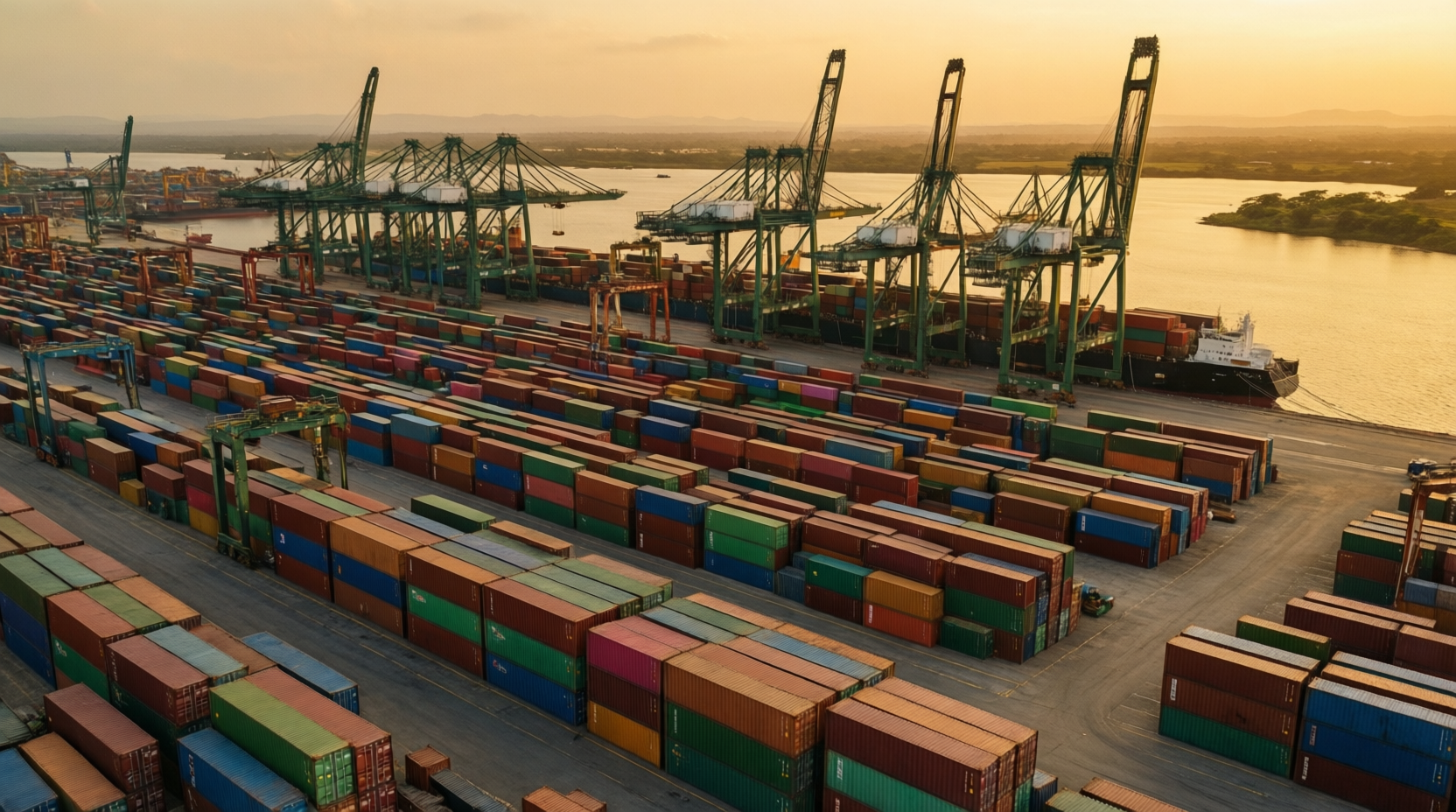
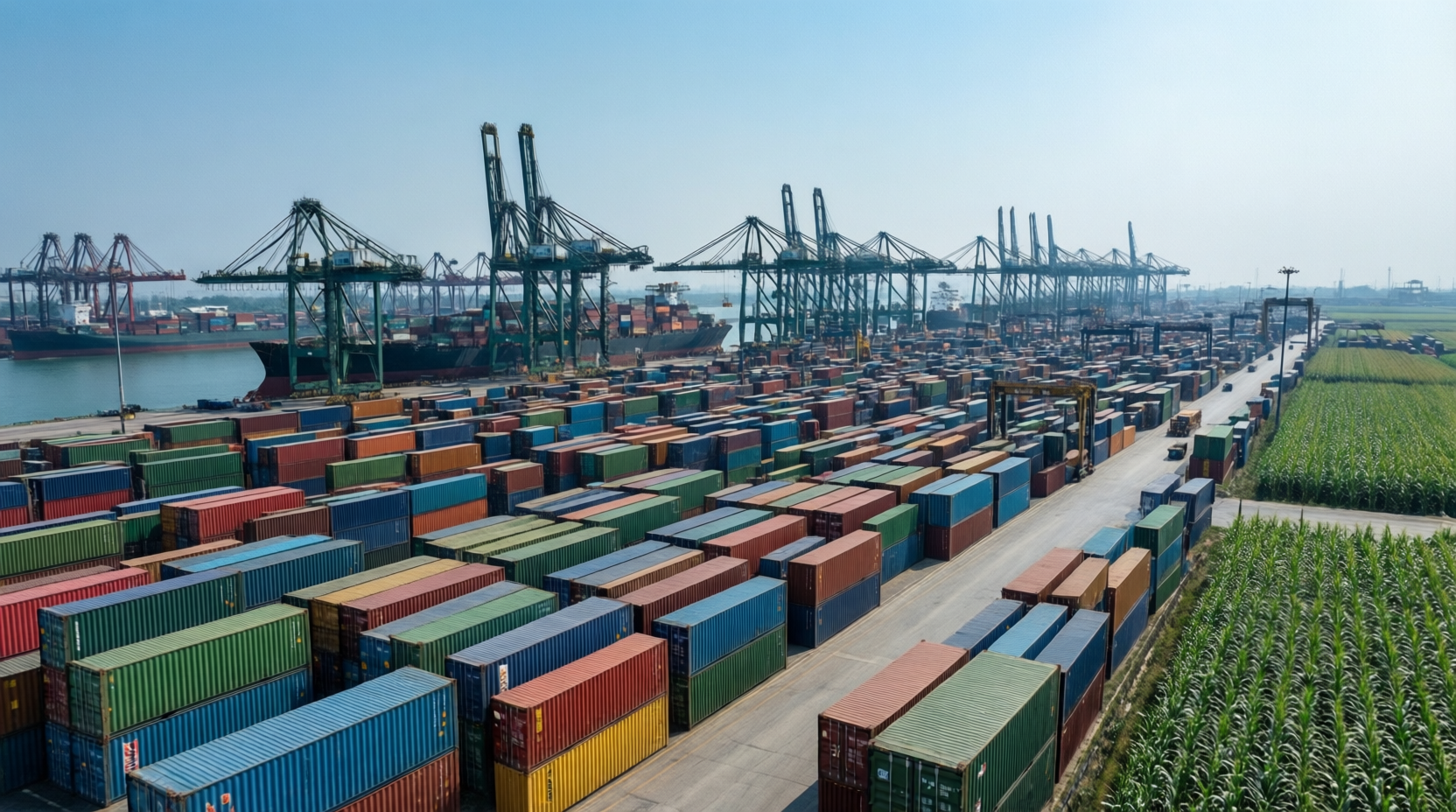
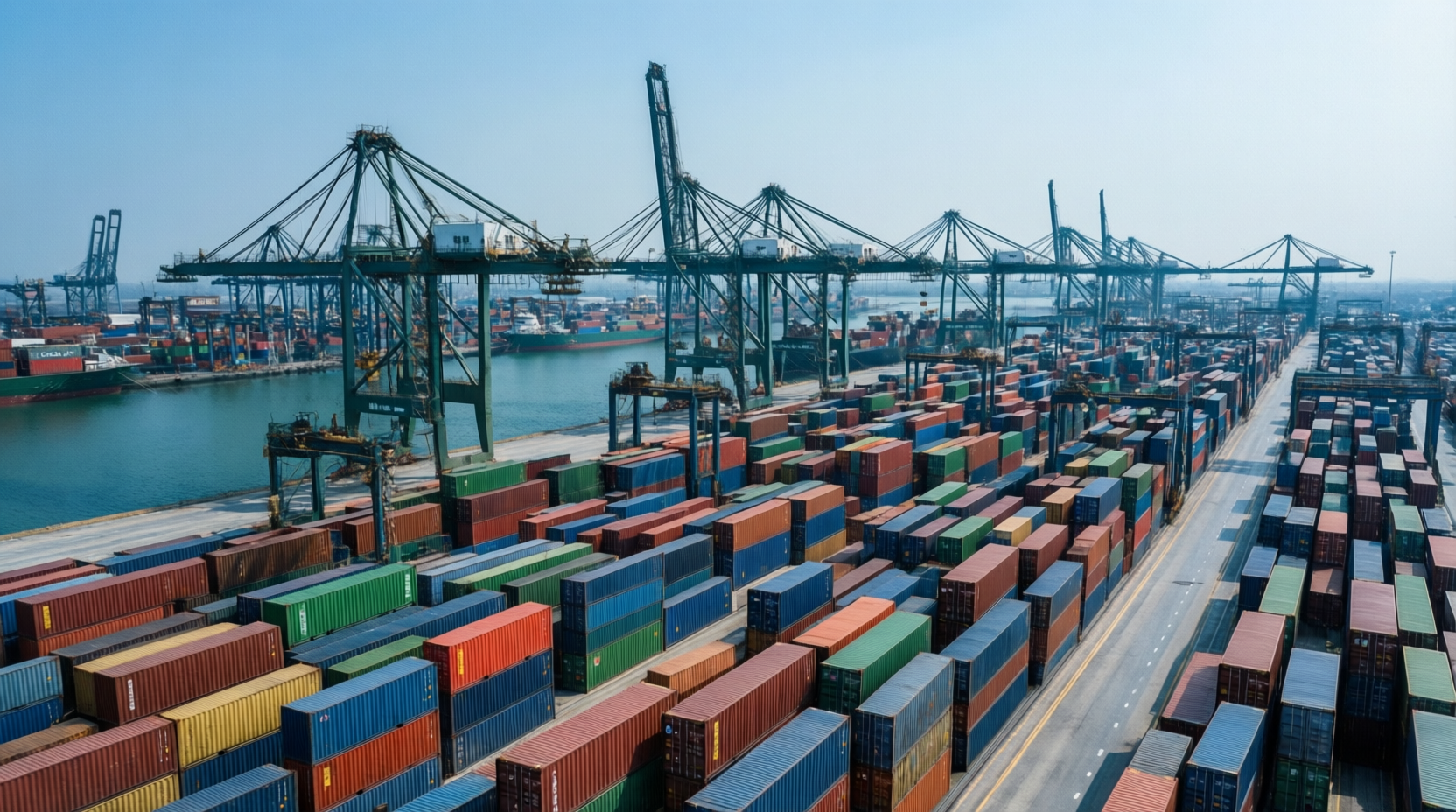
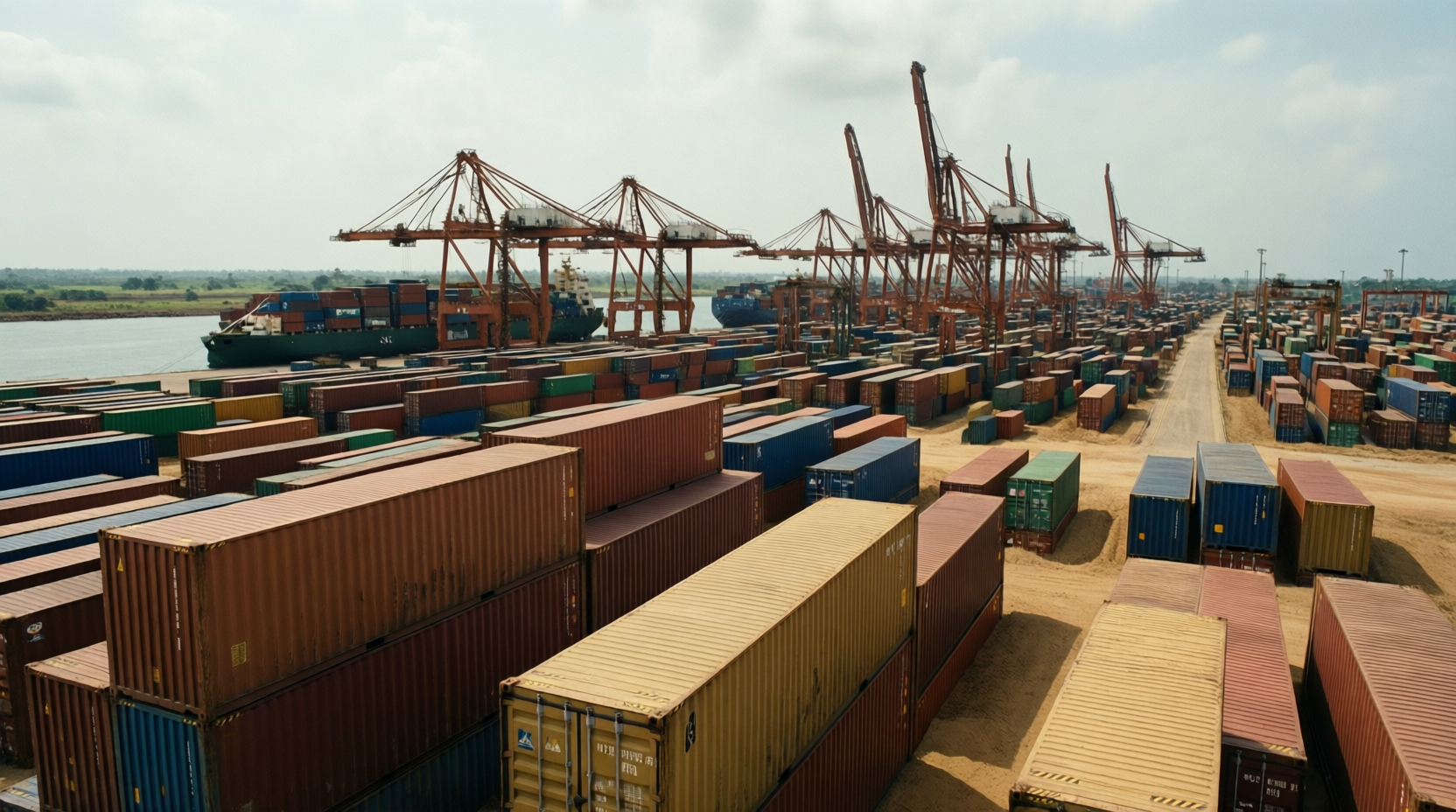
In July 2026, Nigeria and Liberia implemented bans on exporting raw cocoa beans and raw rubber, respectively, to stimulate local processing and industrialization. These bold measures open pathways for fresh business models centered on value addition, bringing profound changes to West Africa’s agro-industrial sectors and export dynamics.
How is Nigeria's cocoa export ban creating new business opportunities?
By ending raw cocoa exports, Nigeria is encouraging investment in processing facilities that convert cocoa beans into semi-finished and finished products, such as cocoa liquor, butter, powder, and chocolates. This shift enables local manufacturers and exporters to capture higher margins and meet growing global demand for processed cocoa products. Government incentives and partnerships with international firms are accelerating capacity building in processing, packaging, and branding, leading to job creation in agro-processing hubs.
What impact does Liberia’s rubber export ban have on local industry?
Following Liberia’s July 2026 prohibition of raw rubber exports, the country is focusing on developing rubber processing plants that produce smoked sheets, latex products, and finished rubber goods. This enhances value addition and stimulates industrial growth while reducing dependence on volatile raw commodity prices. Local processing unlocks opportunities for SMEs and foreign investors to enter value chains, boosting employment and export revenues from higher value products.
Why are export bans an effective strategy for promoting agro-industrialization in West Africa?
What challenges do exporters face amid these export bans?
How can investors tap into local processing opportunities in Nigeria and Liberia?
What role does value addition play in enhancing agricultural exports from West Africa?
"Local processing is no longer just a policy ambition; it's becoming the cornerstone for sustainable agricultural export growth and economic transformation in West Africa." – Industry Expert
Why Local Processing Investment Matters
Investing in local processing facilities in Nigeria and Liberia not only complies with new export regulations but also positions businesses to capture a larger share of the global agro-industrial value chain, with long-term benefits including job creation and enhanced export revenues.
Key takeaways
- Nigeria’s cocoa export ban drives development of domestic cocoa processing for value addition.
- Liberia’s raw rubber export ban boosts local rubber processing and industrial diversification.
- Export restrictions incentivize building agro-processing infrastructure and new business models in West Africa.
- Local value addition strengthens export competitiveness, employment, and economic resilience in the region.
Frequently asked questions
What products can be exported from Nigeria instead of raw cocoa now?
Nigeria encourages exporting processed cocoa products such as cocoa liquor, butter, powder, and chocolates, which add more value than raw beans.
How does Liberia's rubber export ban affect smallholder farmers?
Smallholders benefit as local processing increases demand for quality raw rubber, potentially offering better prices and more stable income streams.
Are there government incentives for local processing investments?
Both Nigeria and Liberia offer support through policies, tax breaks, and partnerships aimed at encouraging investment in agro-processing industries.
Can Indian exporters participate in West Africa’s new agro-industrial ventures?
Yes, Indian firms can explore joint ventures and technology partnerships to supply equipment, expertise, or invest in processing facilities aligned with local export policies.
What certifications are needed for exporting processed cocoa and rubber products?
Exporters must comply with international quality and phytosanitary standards, including certifications like ISO, Fairtrade, and other region-specific regulations.
- Written and reviewed by our in-house trade experts — not AI-generated filler.
- Market figures come from live platform data across thousands of verified trades.
- Every buyer and supplier on The Trade Union is identity- and document-verified.
- Guides are updated as regulations and market conditions change.