On this page
- What is driving the surge in organic millet exports from India to the EU in 2026?
- How are EU buyers shaping procurement and certification trends in Indian millets?
- How can Indian exporters leverage new courier export and subsidy rules for millets?
- Which value-added millet products are most in demand from the EU?
- What logistics challenges and opportunities do Indian millet exporters face in 2026?
- How should exporters position for sustained growth in the EU organic millet segment?
- Key takeaways
- FAQ
India’s millet exports are setting new records in 2026, with a 34% year-on-year jump and the European Union emerging as the star market for organic and value-added varieties. This boom is reshaping export strategies, highlighting the importance of certification and traceability as Indian exporters capture premium niches long dominated by other origins.
What is driving the surge in organic millet exports from India to the EU in 2026?
The EU has overtaken other regions to become India’s top millet buyer, accounting for about ₹612 crore of the ₹2,053 crore total millet exports in FY 2025-26. This surge is primarily driven by European demand for clean-label foods, robust sourcing of organic-certified products, and a strong shift toward value-added formats such as flours, breakfast mixes, and ready-to-eat snacks.
How are EU buyers shaping procurement and certification trends in Indian millets?
EU buyers increasingly insist on third-party organic certification (e.g., NPOP/EU Organic, ISO 22000) and full supply chain traceability, screening suppliers for residue testing, social compliance, and sustainability metrics. Value-added products are attracting higher forward bookings, suggesting that Indian exporters with robust certification and transparent supply chains can command substantial premiums.
How can Indian exporters leverage new courier export and subsidy rules for millets?
As of April 2026, India removed the INR 1 million limit on courier exports, enabling high-value organic millet consignments via express channels. Under the Export Promotion Mission’s TRACE scheme, MSMEs can now claim reimbursement of up to 75% of their testing, inspection, and certification costs (up to ₹25 lakh per IEC per year), making it easier for smaller producers to meet demanding EU requirements.
Which value-added millet products are most in demand from the EU?
- Organic foxtail millet, finger millet, and pearl millet (whole and decorticated)
- Millet flours (single-origin and blended with other grains)
- Ready-to-eat millet breakfast cereals and muesli
- Millet-based snacks—crackers, bars, and puffs
- Gluten-free and functional food lines featuring millets
What logistics challenges and opportunities do Indian millet exporters face in 2026?
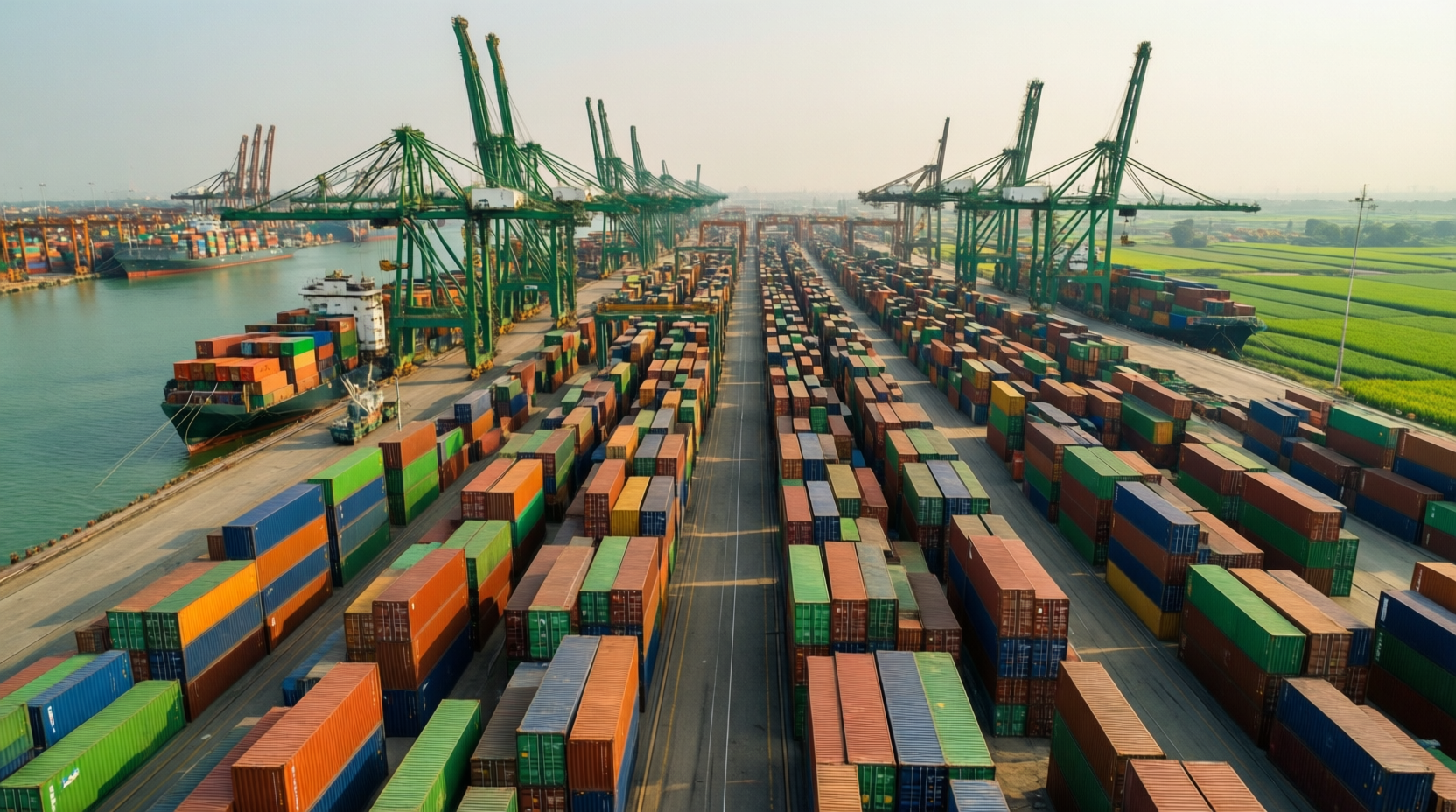
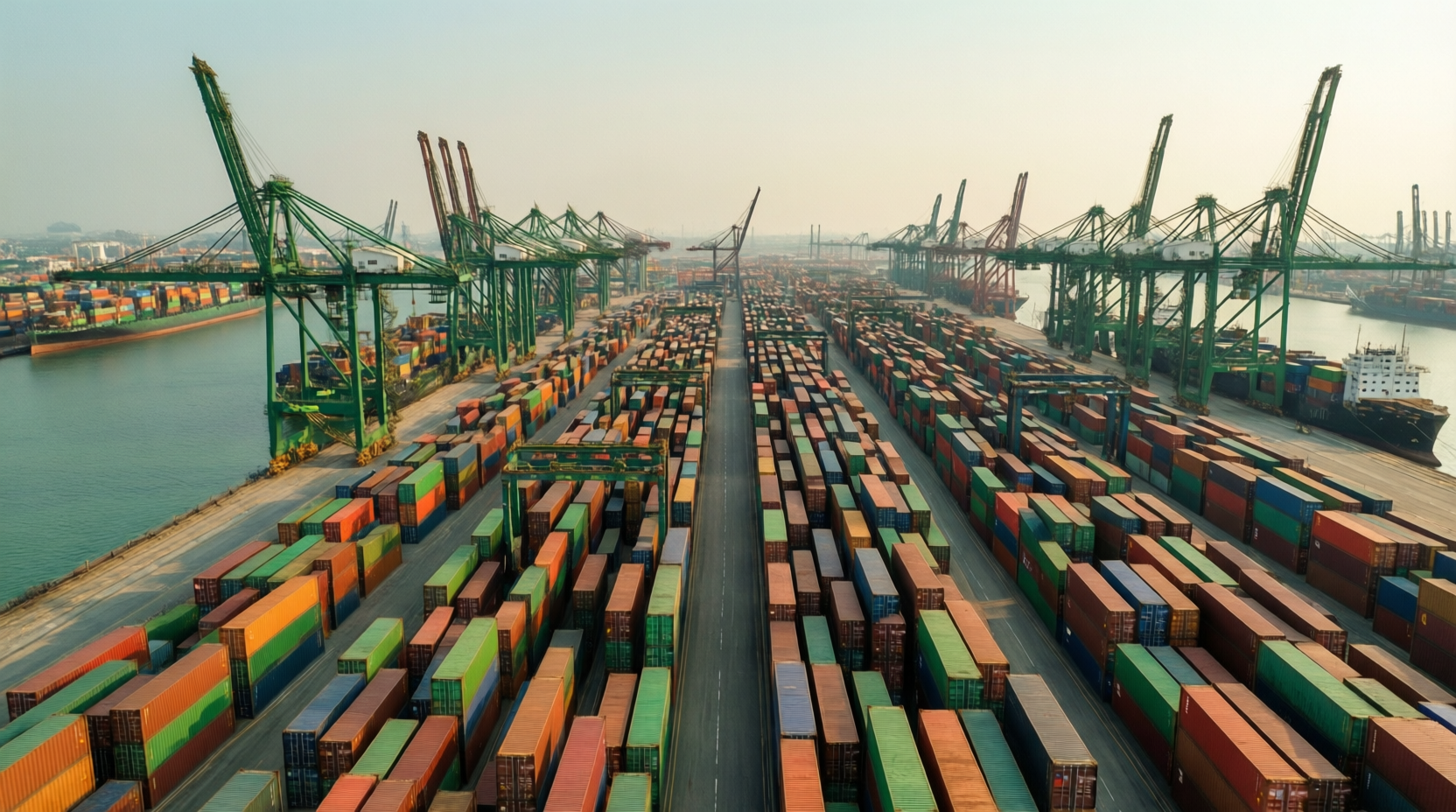
Container availability is tightening at major Indian ports due to the wheat export revival, increasing lead times for forward bookings. Exporters who pre-book space 2–3 weeks ahead and negotiate stable container contracts are best positioned to avoid spot freight volatility and ensure timely deliveries to European markets.
How should exporters position for sustained growth in the EU organic millet segment?
- 1Prioritize dual (NPOP/EU) organic and food safety certifications.
- 2Invest in traceability and digital supply chain records.
- 3Develop unique value-added SKUs tailored to clean-label and functional health trends.
- 4Leverage EPM-TRACE reimbursements to offset certification costs.
- 5Maintain flexible logistics strategies to handle container and freight volatility.
“EU demand for Indian millets in 2026 is increasingly focused on certified organic and value-added products—traceability, clean labels, and delivery reliability set exporters apart.”
Find EU Buyers for Indian Millets
Discover verified buyers for organic and value-added millets, get certification support, and access live export pricing on The Trade Union platform.
Key takeaways
- India's millet exports to the EU rose 34% to ₹2,053 crore in FY 2025-26, with organic and value-added varieties leading demand.
- EU buyers require rigorous organic certification, residue testing, and full supply chain traceability for Indian millets.
- Value-added millet products—such as flours and ready-to-eat snacks—see the strongest forward bookings from Europe.
- MSMEs can leverage new courier rules and TRACE subsidies to boost compliance and reduce export costs.
- Logistics planning and flexible freight contracts are essential for timely EU shipments due to rising container demand.
Frequently asked questions
What is the main driver for organic millet exports from India to the EU in 2026?
The surge is driven by EU demand for certified organic and value-added millet products, supported by premium pricing and strict procurement standards.
Which certifications do EU buyers require for Indian millets?
EU buyers typically require NPOP/EU Organic, ISO 22000, and third-party food safety certifications, along with strict residue and supply chain traceability.
How can small exporters afford certification for EU markets in 2026?
Under the Export Promotion Mission’s TRACE scheme, MSMEs can claim partial reimbursement (up to 75%) of certification costs, capped at ₹25 lakh annually per IEC.
What value-added millet products from India are in highest EU demand?
Millet flours, ready-to-eat cereals, millet-based snacks, and gluten-free health products are currently top choices for premium EU importers.
Are logistics delays a risk for Indian millet exporters in 2026?
Yes, wheat export revival strains container availability, so exporters should book shipping space 2–3 weeks in advance to avoid delays.
- Written and reviewed by our in-house trade experts — not AI-generated filler.
- Market figures come from live platform data across thousands of verified trades.
- Every buyer and supplier on The Trade Union is identity- and document-verified.
- Guides are updated as regulations and market conditions change.