On this page
- How does the Strait of Hormuz factor into India's fertilizer supply chain?
- What was the significance of the recent safe transit of fertilizer shipments through the Strait?
- What agro-input logistics risks threaten India's fertilizer imports in 2026?
- How can India enhance its farm input security strategies based on these lessons?
- What role do trade agreements play in supporting fertilizer and agro-input export resilience?
- What are expert insights on maintaining fertilizer supply amidst global uncertainties?
- Key takeaways
- FAQ
India's agricultural landscape faces significant challenges in 2026, from monsoon uncertainty to rising fertilizer costs. Recently, the safe passage of 15 fertilizer shipments through the strategic Strait of Hormuz has provided a welcome boost, raising important lessons on supply chain resilience and logistics management crucial for ensuring farm input security and export stability.
How does the Strait of Hormuz factor into India's fertilizer supply chain?
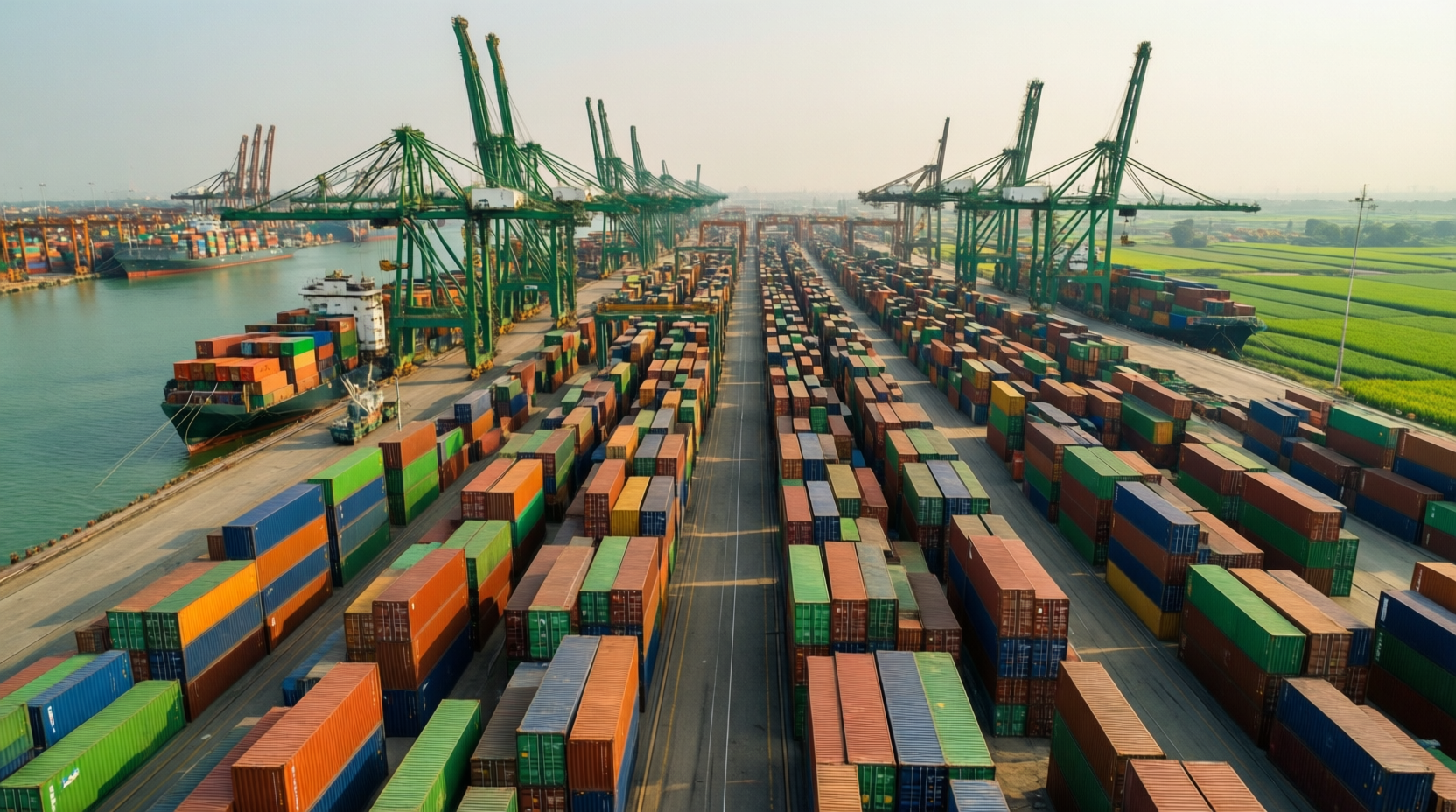
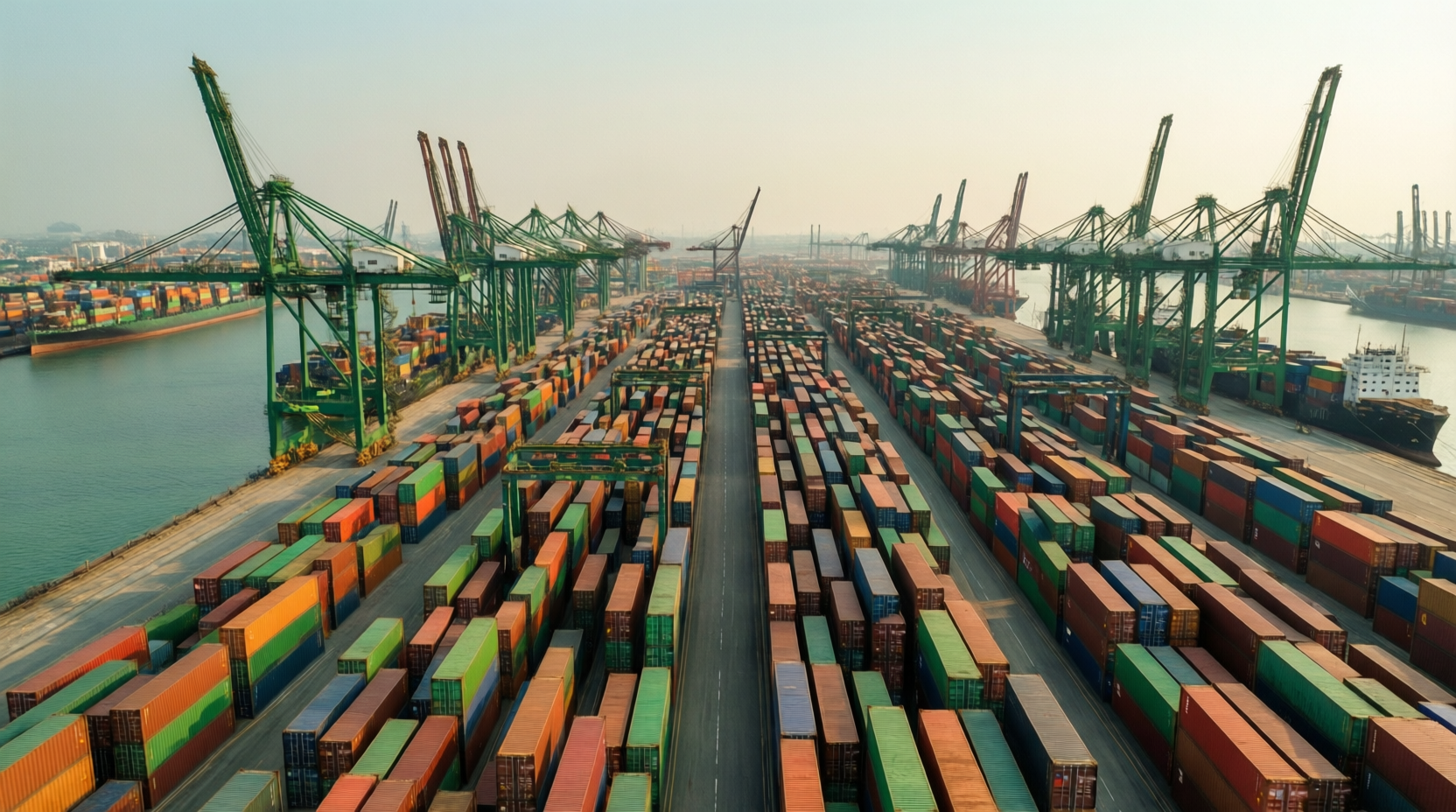
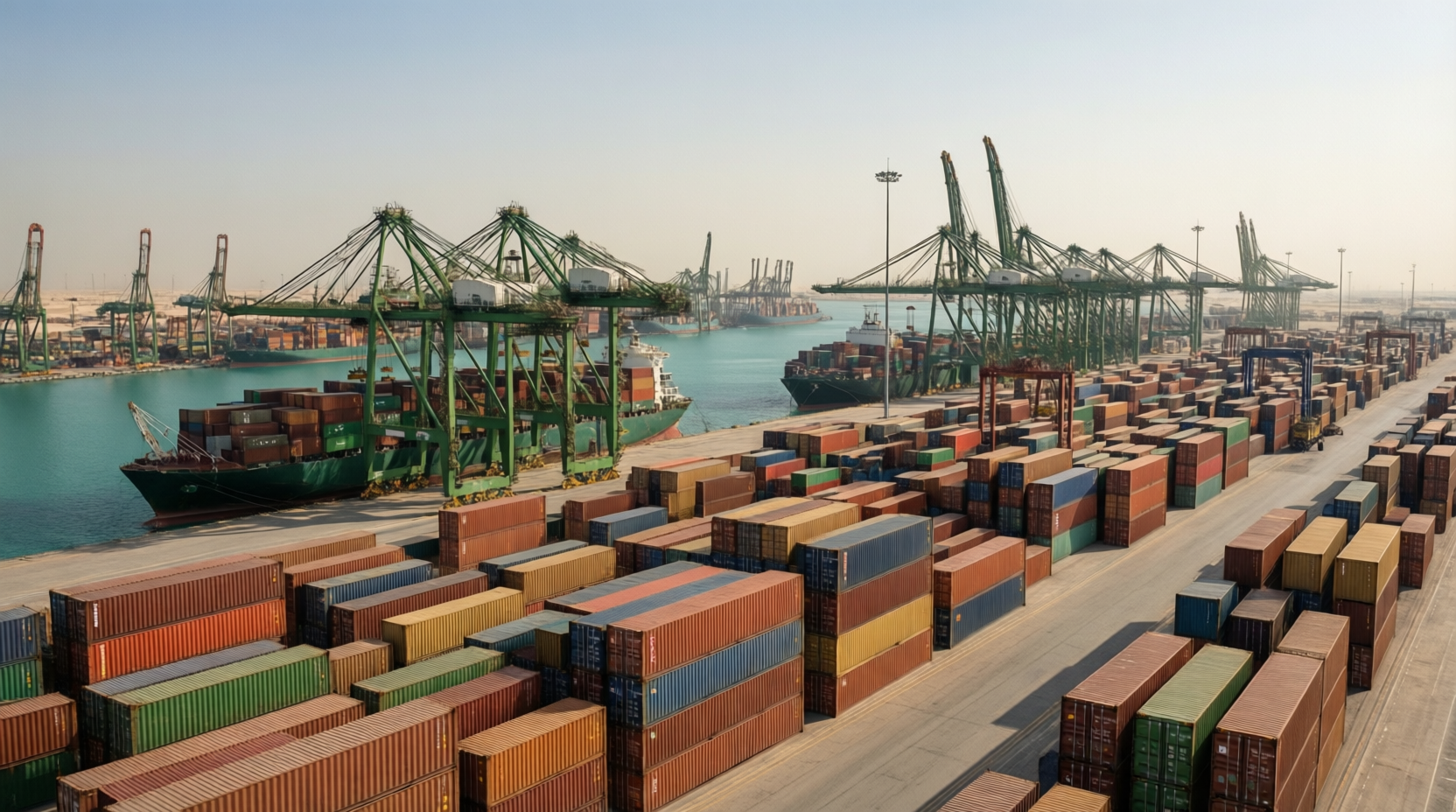
The Strait of Hormuz is a vital maritime chokepoint through which a substantial portion of India's fertilizer imports transit, especially shipments from Middle Eastern and North African suppliers like Morocco. Its security and navigational fluidity directly impact the timely delivery and cost-effectiveness of fertilizers essential for India's agriculture sector.
What was the significance of the recent safe transit of fertilizer shipments through the Strait?
The recent successful crossing of 15 vessels carrying fertilizers marked a critical logistical achievement amid heightened regional risks. It eased short-term concerns about supply disruptions, reassured stakeholders of India’s access to vital agro-inputs, and underscored the resilience of shipping routes despite geopolitical complexities.
What agro-input logistics risks threaten India's fertilizer imports in 2026?
- Geopolitical tensions in the Gulf region impacting maritime safety
- Rising global freight and input costs increasing supply chain expenses
- Monsoon unpredictability affecting demand forecasting and storage logistics
- Potential tariff and regulatory changes impacting import economics
How can India enhance its farm input security strategies based on these lessons?
- 1Diversify import sources to reduce dependence on a single route or supplier.
- 2Strengthen alternative shipping corridors and inland logistics infrastructure.
- 3Implement strategic reserves and buffer stocks of fertilizers to mitigate supply shocks.
- 4Leverage trade agreements like the India-UK FTA to expand export markets and balance trade flows.
What role do trade agreements play in supporting fertilizer and agro-input export resilience?
Trade agreements such as the India-UK Free Trade Agreement, effective from mid-2026, provide tariff advantages that improve India's agro-export competitiveness. While primarily facilitating exports, these agreements create economic stability that indirectly supports investments in supply chain robustness and sourcing flexibility.
What are expert insights on maintaining fertilizer supply amidst global uncertainties?
"Ensuring uninterrupted fertilizer supply requires not just stable maritime routes but a holistic approach integrating diversified sourcing, investing in logistics infrastructure, and diplomatic engagement to manage geopolitical risks." - Dr. Anand Kumar, Agricultural Economist
Logistics Success Spurs Strategic Confidence
The recent smooth navigation through the Strait of Hormuz is more than a shipping success; it is a strategic indicator that well-planned agro-input logistics can withstand regional instabilities, helping secure India's agricultural productivity and export resilience in 2026 and beyond.
Key takeaways
- The Strait of Hormuz is a critical passage for India's fertilizer imports, making its security vital to farm input supply.
- The recent safe crossing of 15 fertilizer vessels has eased immediate supply concerns and highlighted logistics resilience.
- Risks include geopolitical tensions, cost fluctuations, and monsoon variability impacting fertilizer availability.
- Diversifying supply sources, enhancing infrastructure, and leveraging trade agreements are key strategies for risk mitigation.
Frequently asked questions
Why is the Strait of Hormuz important for India's fertilizer supply?
It is a key maritime route through which a large portion of India's fertilizer imports pass, making its security crucial to avoid supply disruptions.
What was the impact of the recent safe shipping through the Strait on India’s fertilizer supply?
The passage of 15 fertilizer vessels without incident helped reassure stakeholders and maintain the steady flow of essential farm inputs into India.
What risks currently threaten India's fertilizer imports in 2026?
Geopolitical tensions, rising shipping costs, unpredictable monsoons, and potential tariff changes pose supply chain risks.
How can India reduce risks to its fertilizer supply chain?
By diversifying import sources, developing alternative logistics routes, maintaining strategic reserves, and leveraging trade agreements to stabilize imports and exports.
How do trade agreements like the India-UK FTA influence agro-product exports and input security?
They provide tariff relief and open new markets, contributing indirectly to supply chain stability and export resilience.
- Written and reviewed by our in-house trade experts — not AI-generated filler.
- Market figures come from live platform data across thousands of verified trades.
- Every buyer and supplier on The Trade Union is identity- and document-verified.
- Guides are updated as regulations and market conditions change.