On this page
- What is the scope of the Nigeria-Brazil agro-trade partnership?
- How does this partnership exemplify South-South cooperation in agriculture?
- Which Nigerian commodities stand to gain from this partnership?
- What is the forecast impact on Nigerian agricultural export volumes?
- What advantages does Brazil bring to Nigerian exporters?
- Are there challenges to overcome in this agro-trade partnership?
- What role do African trade bodies play in this partnership?
- How does this alignment affect Nigeria's overall agricultural export strategy?
- Key takeaways
- FAQ
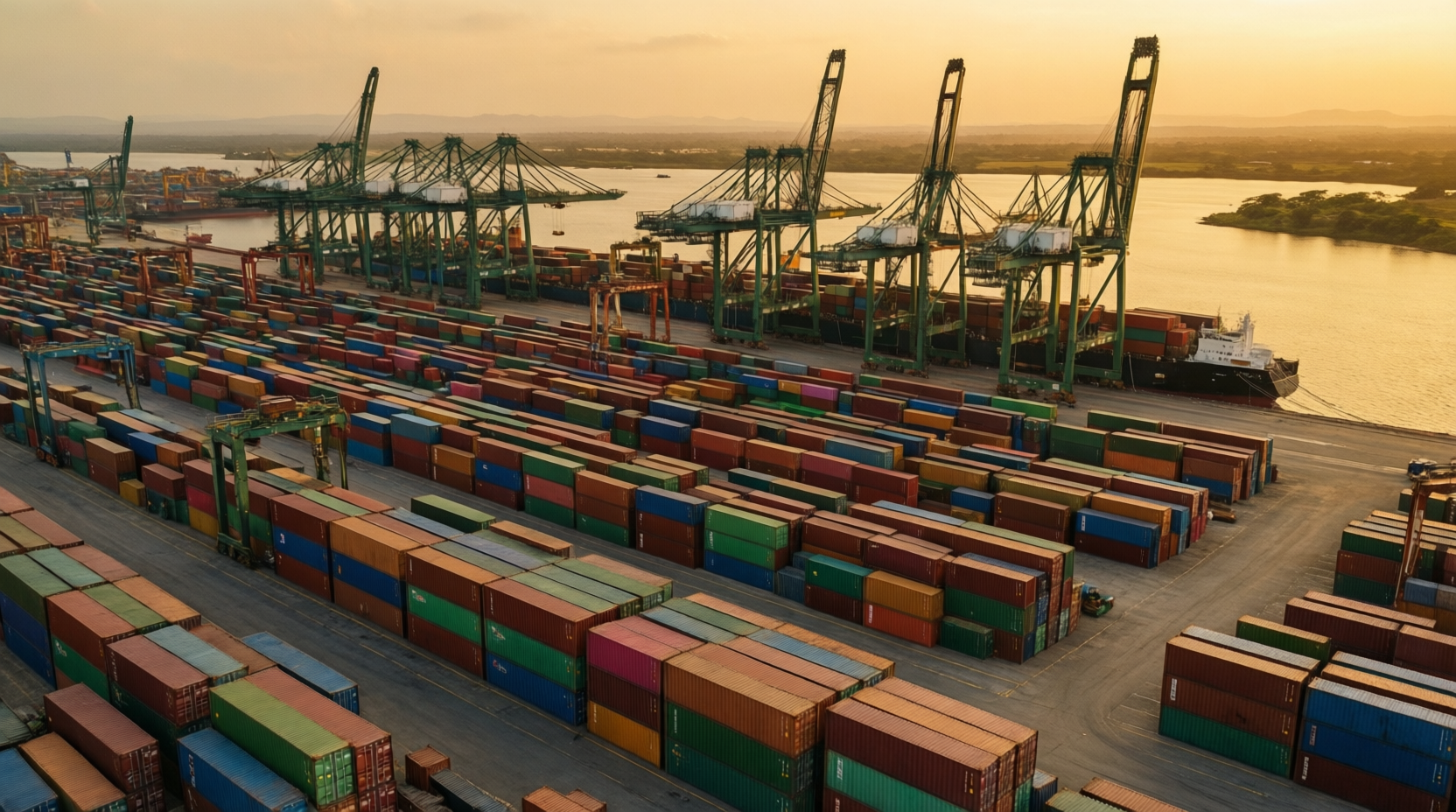
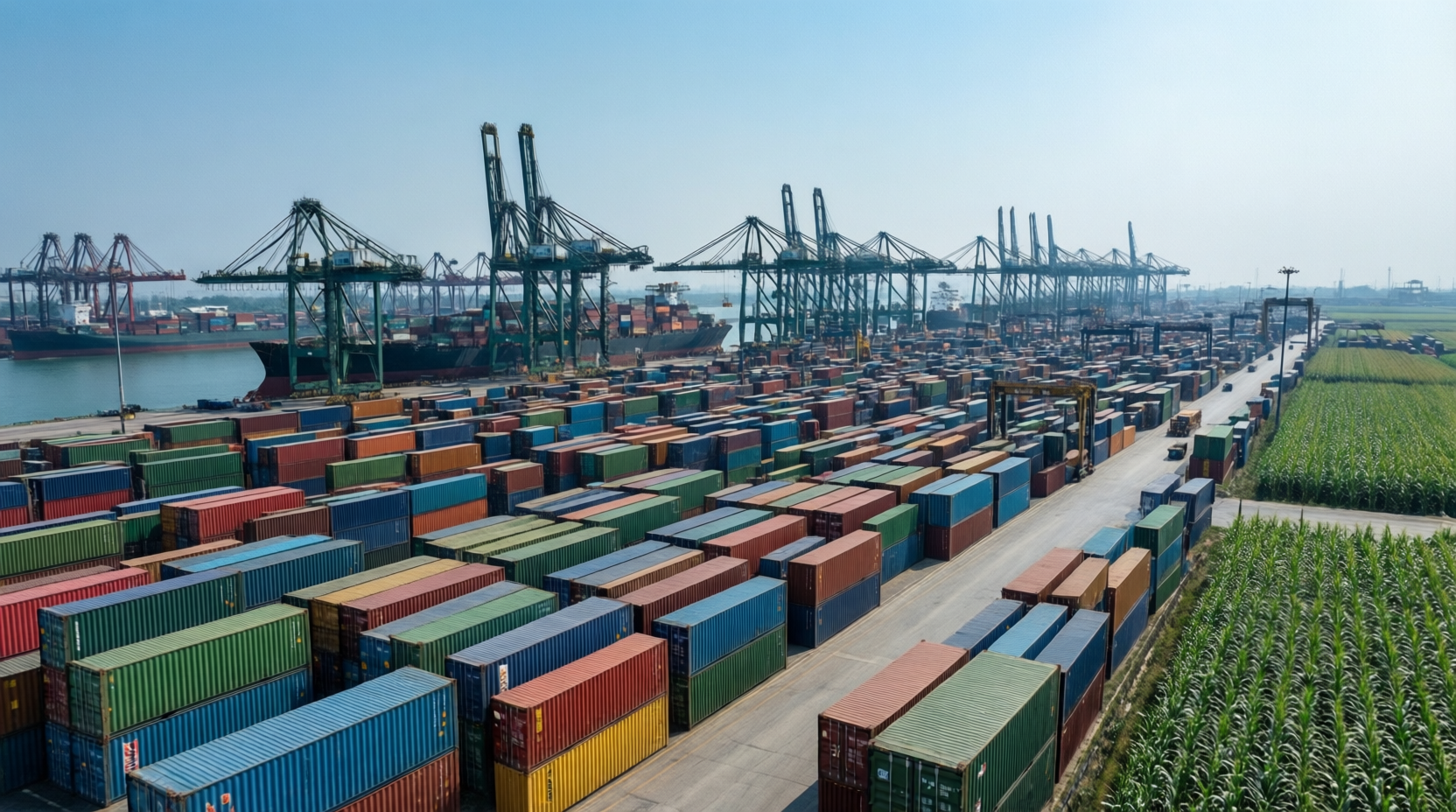
The July 2026 launch of the Nigeria-Brazil agro-trade partnership signals a pivotal moment in African agricultural exports, reflecting a growing trend of South-South collaboration that redefines commodity flows and export strategies. This partnership specifically targets Nigeria's hibiscus, sesame, and shea butter sectors, with Brazil offering both a substantial market and valuable agro-industry expertise.
What is the scope of the Nigeria-Brazil agro-trade partnership?
The partnership primarily aims to facilitate export expansion for Nigerian agricultural products like hibiscus, sesame, and shea butter into Brazil, while also sharing knowledge on agricultural processing and market access strategies. This collaboration includes capacity building, joint trade missions, and streamlined export procedures, positioning Nigeria to diversify exports beyond traditional markets.
How does this partnership exemplify South-South cooperation in agriculture?
Unlike traditional North-South trade models relying on developed markets, the Nigeria-Brazil collaboration bridges emerging economies with complementary agro strengths. Brazil's mature agro-export sector and Nigeria's raw commodity potential create synergies that foster mutual growth, knowledge exchange, and reduced dependency on established Western buyers, reinforcing South-South economic linkages.
Which Nigerian commodities stand to gain from this partnership?
- Hibiscus: Leveraging Brazil's demand for natural health and beverage products.
- Sesame: Targeting Brazil's food industry and oil extraction sectors.
- Shea Butter: Entering Brazil's cosmetics and pharmaceutical market segments.
What is the forecast impact on Nigerian agricultural export volumes?
Early projections indicate a notable increase in Nigerian export volumes to Brazil, particularly for hibiscus and shea butter, estimated at a 15-20% year-on-year growth over the next three years. This volume growth is expected to complement diversification goals and reduce Nigeria's export market concentration risk.
What advantages does Brazil bring to Nigerian exporters?
- An extensive agro-industrial infrastructure facilitating value addition.
- Established logistics and distribution channels expanding reach in Latin America.
- Experience in meeting international certification and quality standards.
Are there challenges to overcome in this agro-trade partnership?
- Compliance with Brazil's phytosanitary and import regulations reflecting stringent quality demands.
- Building local Nigerian exporter capacity for consistent supply volumes and quality.
- Navigating currency volatility and logistical coordination between two distant markets.
What role do African trade bodies play in this partnership?
Organisations like the African Export-Import Bank and the Nigerian Export Promotion Council facilitate financing, technical assistance, and policy frameworks to support exporters engaging Brazil. Such institutions also promote compliance with export certifications and provide trade intelligence vital for navigating the Brazilian market environment.
How does this alignment affect Nigeria's overall agricultural export strategy?
The partnership underscores a new strategic direction emphasizing value addition, market diversification, and South-South economic integration. It signals Nigeria's intent to evolve from primarily raw commodity exports to higher-value agro products targeted at emerging economies with shared development priorities.
"The Nigeria-Brazil agro-trade partnership is more than a trade agreement; it’s a blueprint for equitable, sustainable growth between developing nations sharing agricultural ambitions." – Trade Analyst, AgroTrade Insights
Practical advice for Nigerian exporters
Exporters interested in leveraging this partnership should engage with the Nigerian Export Promotion Council and participate in upcoming trade missions to Brazil for direct market exposure and networking opportunities.
Key takeaways
- The Nigeria-Brazil agro-trade partnership highlights South-South collaboration as a viable model for expanding African agricultural exports.
- Target commodities such as hibiscus, sesame, and shea butter are poised for increased export volumes to Brazil.
- Brazil provides agro-industrial expertise and market infrastructure beneficial to Nigerian exporters.
- Challenges include regulatory compliance and logistical coordination that require proactive capacity building.
Frequently asked questions
What products are included in the Nigeria-Brazil agro-trade partnership?
The partnership focuses on Nigerian hibiscus, sesame, and shea butter exports targeting Brazil's growing demand in beverages, food oils, and cosmetics.
How does South-South cooperation benefit Nigeria's agricultural exports?
South-South cooperation leverages shared development goals and complementary strengths between emerging economies, reducing dependence on traditional Western markets.
What support can Nigerian exporters expect from trade bodies?
Trade bodies like the African Export-Import Bank and Nigerian Export Promotion Council provide financing, certification support, and market access assistance to exporters entering Brazil.
Are Brazilian import regulations difficult for Nigerian exporters?
Brazil enforces strict phytosanitary and quality standards, so exporters must ensure compliance and maintain consistent product quality to succeed.
What is the expected impact on Nigeria's export volumes?
Export volumes for hibiscus, sesame, and shea butter to Brazil are projected to grow 15-20% annually over the next few years, supporting export diversification.
- Written and reviewed by our in-house trade experts — not AI-generated filler.
- Market figures come from live platform data across thousands of verified trades.
- Every buyer and supplier on The Trade Union is identity- and document-verified.
- Guides are updated as regulations and market conditions change.