On this page
- How did port logistics issues impact South Africa's main export hubs?
- What coping strategies did exporters use to maintain export volumes?
- Did rerouting exports affect delivery times and costs?
- Which agricultural commodities led export growth despite logistics challenges?
- How significant is South Africa's export growth compared to regional competitors?
- What role did government and trade bodies play during these logistics disruptions?
- Are these logistical challenges expected to persist, and what are exporters planning ahead?
- Key takeaways
- FAQ
In the first quarter of 2026, South Africa defied expectations by boosting its agricultural export revenue to $3.7 billion, an 11% rise despite considerable logistical hurdles at the Cape Town port. This growth underscores how exporters navigated disruptions and leveraged alternative routes to maintain momentum.
How did port logistics issues impact South Africa's main export hubs?
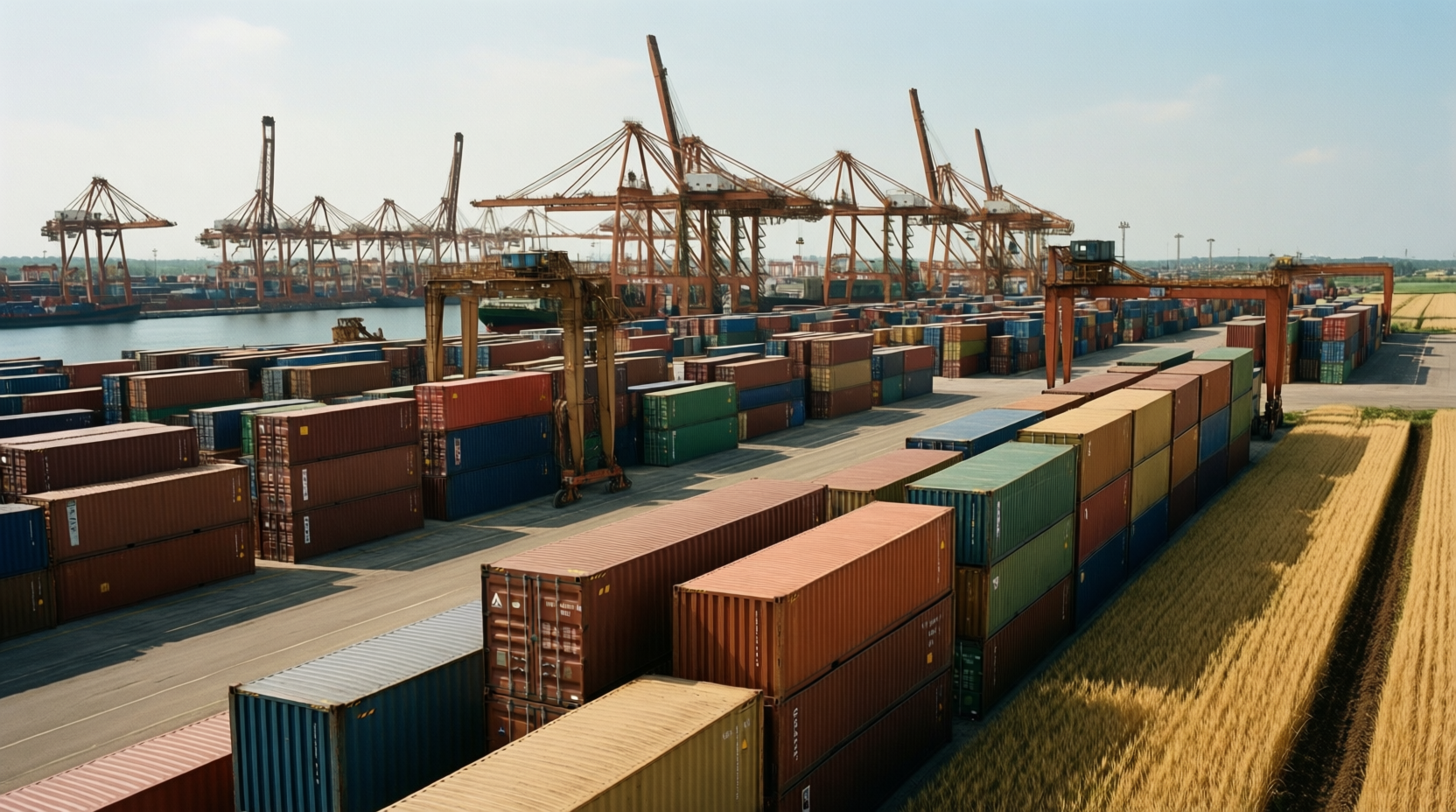
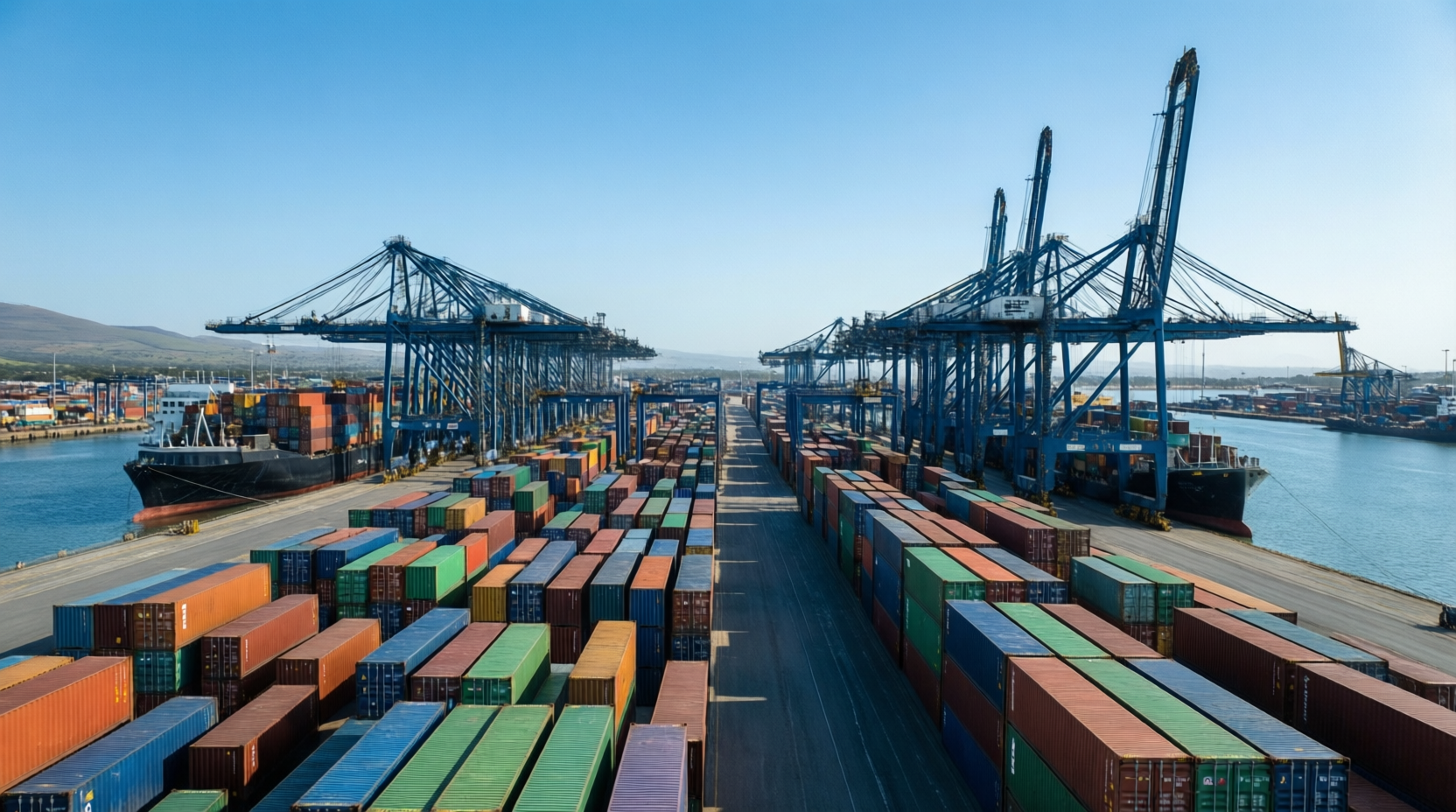
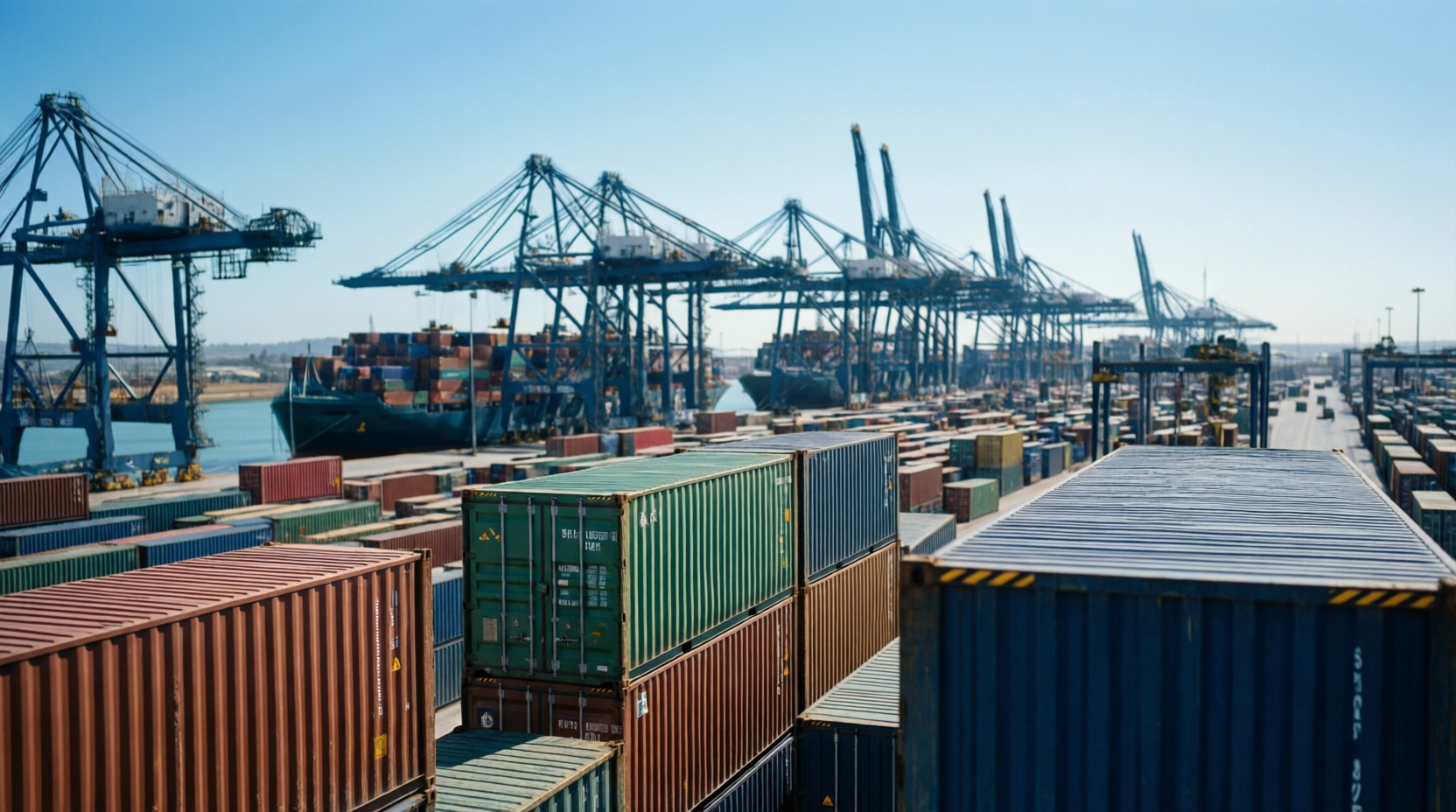
The Port of Cape Town, South Africa’s busiest agricultural export gateway, experienced congestion and operational delays due to equipment shortages and labor disruptions in early 2026. These challenges led to increased vessel turnaround times and container backlogs, hampering the smooth flow of produce such as grapes, apples, pears, and maize scheduled for export.
What coping strategies did exporters use to maintain export volumes?
Exporters adopted several tactics including rerouting volumes via Eastern Cape ports like Port Elizabeth and Ngqura, which had available capacity and more streamlined operations. They also enhanced coordination across supply chains by improving inventory management, prioritizing high-value shipments, and collaborating closely with shipping lines to secure vessel space.
Did rerouting exports affect delivery times and costs?
Shifting exports from Cape Town to Eastern Cape ports extended inland transport routes and incurred additional logistics costs including trucking and storage. While delivery timelines lengthened marginally, higher freight costs were partially offset by rising international commodity prices and strong demand, preserving exporters’ margins.
Which agricultural commodities led export growth despite logistics challenges?
- Grapes, apples, and pears saw robust export volumes driven by global demand and premium pricing.
- Maize exports increased due to strong harvest yields and competitive pricing on international markets.
- High-value horticulture products like avocados, pineapples, and cherries expanded exports, benefiting from niche market segments.
How significant is South Africa's export growth compared to regional competitors?
South Africa’s 11% growth in agricultural exports contrasts with slower expansions in other African exporters facing logistic and geopolitical constraints. For example, Russia’s agricultural exports to Africa grew but face different market dynamics. South Africa remains a key supplier of diverse horticultural and field crops to global markets, reinforcing its competitive position.
What role did government and trade bodies play during these logistics disruptions?
Institutions like the Department of Agriculture and the Agricultural Export Council facilitated information sharing on alternative routes and export documentation. They also coordinated with port authorities to prioritize perishable cargo and worked with logistics providers to smooth supply chain bottlenecks.
Are these logistical challenges expected to persist, and what are exporters planning ahead?
Operational issues at Cape Town port are projected to continue intermittently through 2026, prompting exporters to institutionalize multi-port strategies. Investments in cold chain infrastructure and digital tracking are underway to enhance visibility and resilience against future disruptions.
"Despite the hurdles, South African exporters demonstrated remarkable agility, ensuring that global demand was met without compromising quality or timelines." – Logistics Expert, AgriFocus Africa
Key strategy for exporters
Exporters must diversify shipping points and invest in supply chain innovation to navigate persistent port disruptions and safeguard South Africa’s agricultural trade growth trajectory.
Key takeaways
- South Africa’s agricultural exports rose 11% in Q1 2026 to $3.7 billion despite Cape Town port disruptions.
- Exporters rerouted shipments through Eastern Cape ports to mitigate congestion at Cape Town.
- High-value fruits and staple crops like maize led export growth.
- Government and trade bodies supported exporters with alternative logistics and prioritizing perishable cargo.
- Logistical challenges persist, prompting long-term investments in diversified routes and supply chain resilience.
Frequently asked questions
Why did South African agricultural exporters face port logistical challenges in early 2026?
The Port of Cape Town experienced equipment shortages and labor disruptions, causing congestion and delays impacting export timelines.
How did exporters overcome Cape Town port issues to maintain export growth?
They rerouted shipments through Eastern Cape ports and improved coordination across supply chains to secure vessel space and prioritize perishable goods.
Which agricultural products contributed most to South Africa’s export growth in 2026?
Fruits like grapes, apples, pears, and field crops such as maize showed strong export growth driven by higher volumes and favorable prices.
Did using alternative ports increase export costs?
Yes, inland transport costs to Eastern Cape ports increased, but higher commodity prices helped offset these additional expenses.
Are South Africa’s port logistical problems expected to continue?
Port challenges may persist intermittently in 2026, leading exporters to adopt multi-port strategies and invest in supply chain resilience.
- Written and reviewed by our in-house trade experts — not AI-generated filler.
- Market figures come from live platform data across thousands of verified trades.
- Every buyer and supplier on The Trade Union is identity- and document-verified.
- Guides are updated as regulations and market conditions change.