On this page
- What commodities drove South Africa’s agricultural export growth in Q1 2026?
- How did commodity price trends in global markets affect South Africa’s export volumes and values?
- What logistical challenges did South African exporters face and how were these addressed?
- In what ways did logistical adaptations impact export competitiveness?
- How has the demand outlook influenced South Africa’s agricultural export strategy?
- What competitive pressures are South African agricultural exporters facing in 2026?
- Quote
- Callout: Insights for exporters
- Key takeaways
- FAQ
South Africa experienced an impressive surge in agricultural exports during the first quarter of 2026, defying logistical hurdles and setting a new export record. The 11% year-on-year growth to R67 billion highlights how commodity price dynamics and innovative logistics solutions have jointly sustained this momentum.
What commodities drove South Africa’s agricultural export growth in Q1 2026?
The robust export performance largely stemmed from increased prices and demand for key commodities such as fruits, nuts, and cereals. Citrus fruits and deciduous fruit exports surged owing to strong seasonal yields and competitive global prices. Additionally, grains like maize benefited from export price increases driven by tight global supplies, boosting export revenues despite volume fluctuations.
How did commodity price trends in global markets affect South Africa’s export volumes and values?
Global commodity prices remained elevated in early 2026 due to supply constraints and inflationary pressures, enhancing South Africa’s export earnings. For instance, price gains for citrus and grains offset some export quantity declines, enabling overall export value growth. This price-driven value increase was a key contributor to the record R67 billion export figure.
What logistical challenges did South African exporters face and how were these addressed?
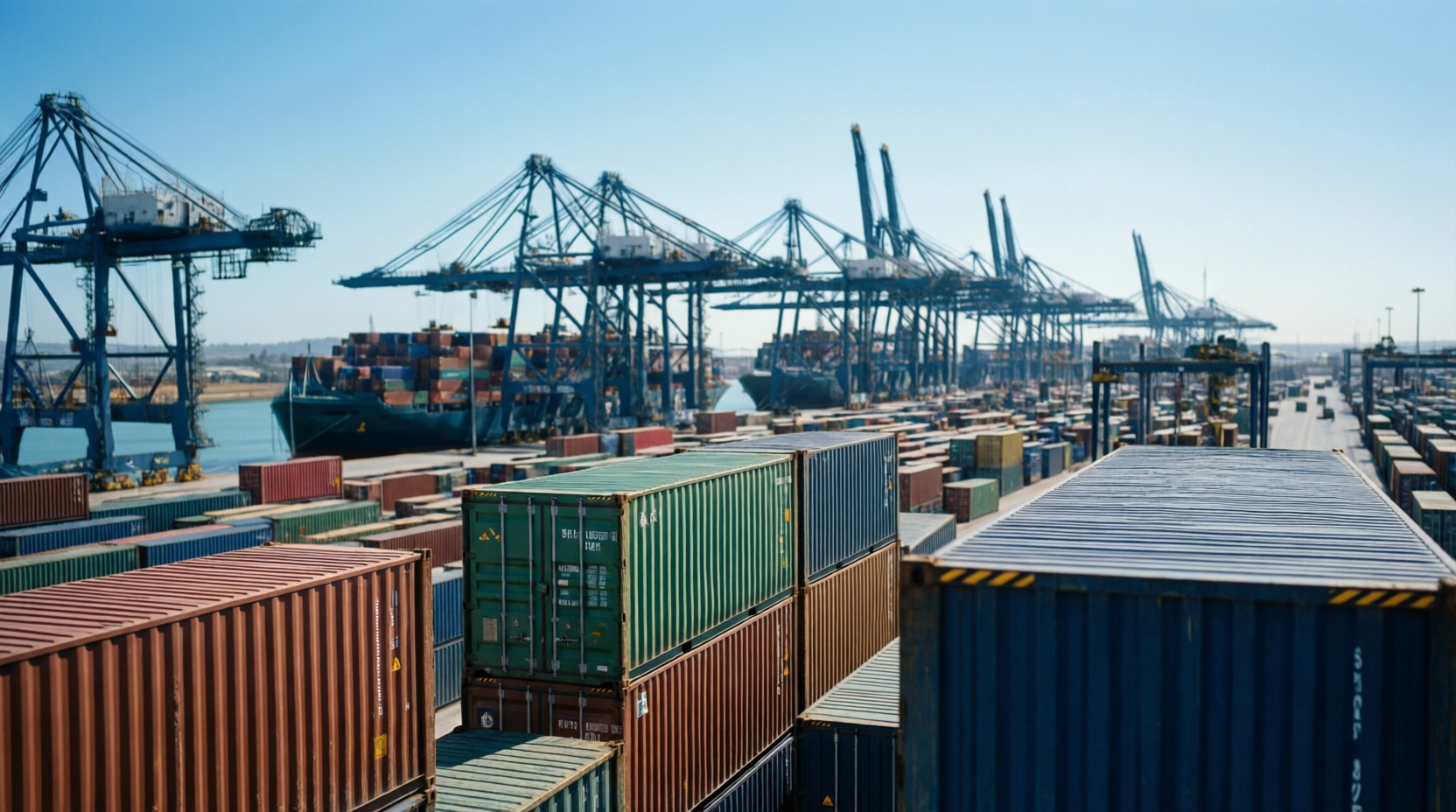
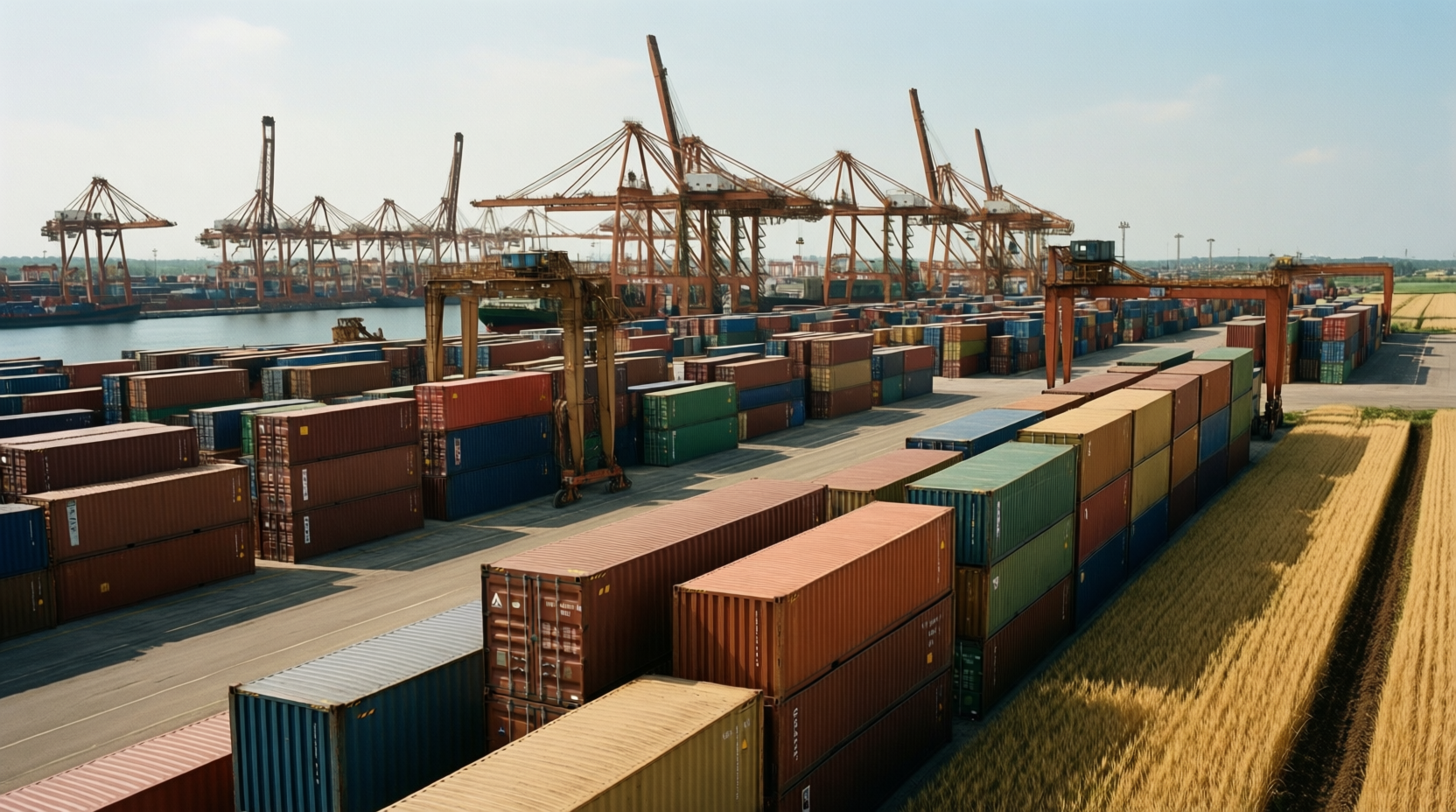
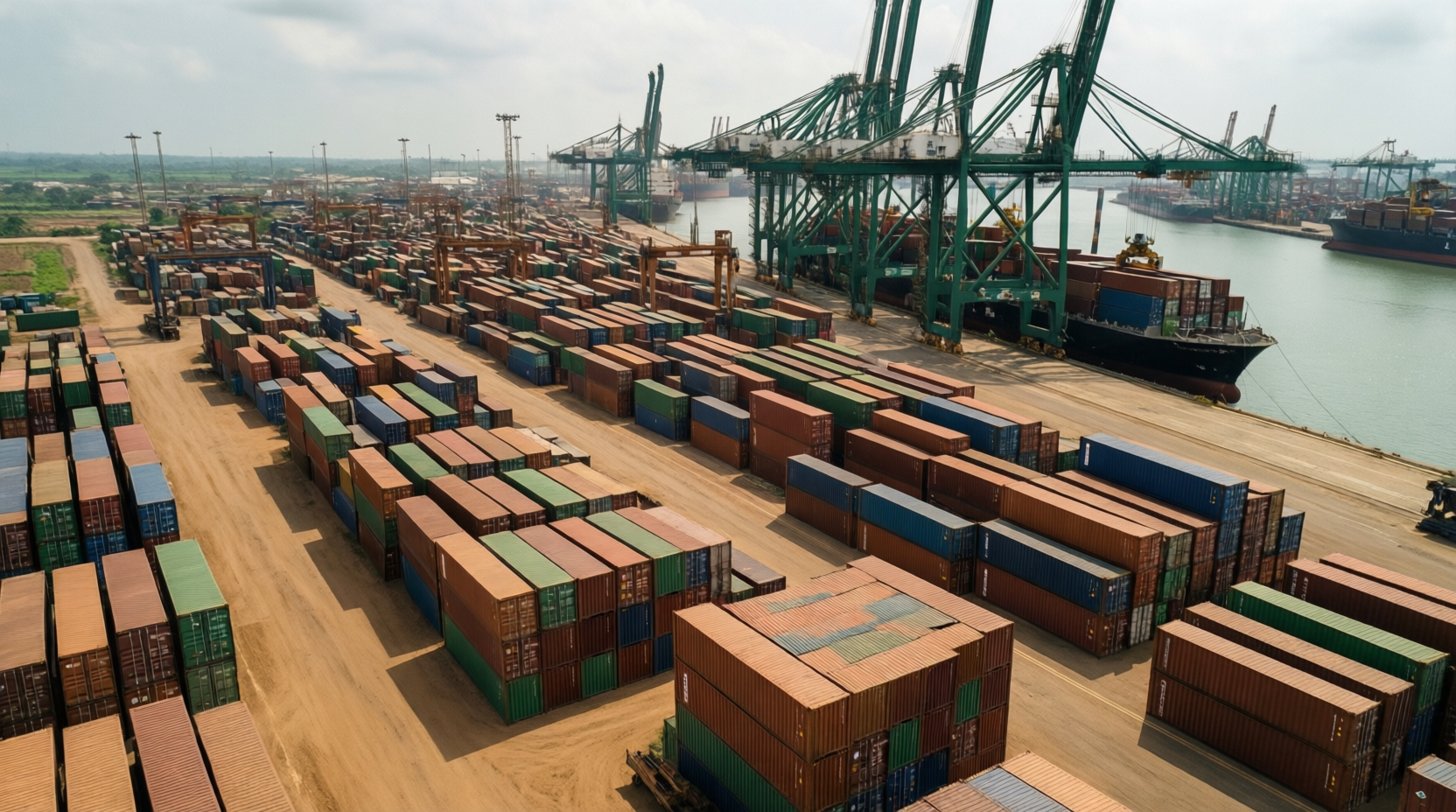
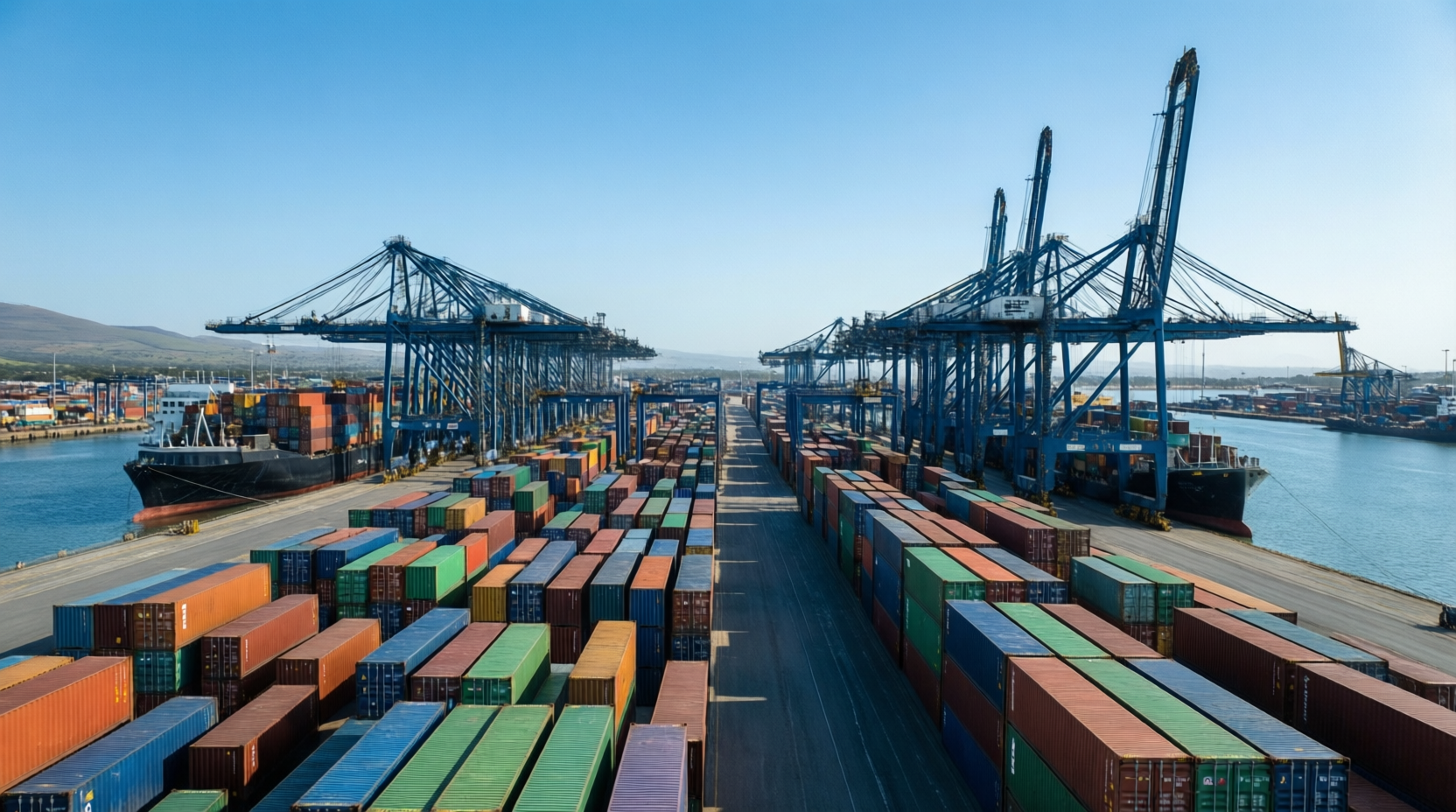
Port congestion, especially at Cape Town, posed significant hurdles, threatening shipment timelines. Exporters mitigated these issues by diversifying via Eastern Cape ports and optimizing inland freight. Collaboration with customs and shipping agents also helped to expedite clearance and turnaround times, ensuring export continuity despite infrastructure constraints.
In what ways did logistical adaptations impact export competitiveness?
By adopting alternative ports and streamlining transport routes, exporters maintained product freshness and delivery reliability, critical for perishable goods like fruits and nuts. These measures preserved South Africa’s buyer confidence in key European and Asian markets, supporting sustained export demand and premium pricing.
How has the demand outlook influenced South Africa’s agricultural export strategy?
Steady demand growth in Europe, Asia, and the Middle East has encouraged exporters to focus on market diversification and value-added products. This strategic orientation aims to capture emerging opportunities and hedge against supply chain disruptions and regional competition.
What competitive pressures are South African agricultural exporters facing in 2026?
Increasing agricultural exports from competitors like Russia to African markets and evolving trade policies require South African exporters to enhance product quality and reliability. Continuous improvements in post-harvest handling, certification compliance, and marketing are vital to maintaining global competitiveness.
Quote
"Despite infrastructure bottlenecks at key ports, South African exporters’ ability to pivot logistics and leverage high commodity prices has unlocked record export values in Q1 2026," says industry analyst Themba Mkhize.
Callout: Insights for exporters
Key Exporter Strategies
Diversifying port usage, investing in cold chain logistics, and aligning exports with global commodity price trends are critical strategies. Exporters should proactively monitor logistical capacities and engage with trade bodies like the NAMC and AP Logistics for support and market intelligence.
Key takeaways
- South Africa’s agricultural exports reached a record R67 billion in Q1 2026, marking an 11% increase year-on-year.
- Rising global commodity prices, especially for fruits and grains, significantly boosted export revenues despite logistical challenges.
- Exporters mitigated port congestion by utilizing alternative ports like Eastern Cape and optimizing supply chains.
- Strong demand from Europe and Asia underpinned export growth, highlighting the importance of market diversification.
Frequently asked questions
What caused South Africa’s 11% export growth in early 2026?
The growth was driven by higher global commodity prices and strong demand for key agricultural products such as citrus fruits and grains, despite logistical obstacles.
How are South African exporters handling port congestion issues?
Exporters are shifting shipments to alternative ports like Eastern Cape and improving inland logistics to maintain export schedules and product quality.
Which commodities contributed most to South Africa's export growth?
Citrus fruits, deciduous fruits, and grains like maize were the major contributors to export value increases in Q1 2026.
Is the logistical challenge at Cape Town port affecting South Africa's export competitiveness?
While Cape Town port congestion remains a challenge, exporters’ use of alternative ports and logistics optimization has lessened the impact on export competitiveness.
What export market trends should South African exporters watch in 2026?
Exporters should focus on evolving demand in Europe and Asia, global commodity price fluctuations, and emerging competition from countries like Russia.
- Written and reviewed by our in-house trade experts — not AI-generated filler.
- Market figures come from live platform data across thousands of verified trades.
- Every buyer and supplier on The Trade Union is identity- and document-verified.
- Guides are updated as regulations and market conditions change.