On this page
- What specific logistical bottlenecks is the Port of Cape Town experiencing amid agro-export growth?
- How can freight handling technology alleviate these port bottlenecks effectively?
- What supply chain coordination strategies support overcoming export logistics challenges?
- What role does government policy play in addressing Port of Cape Town’s logistical constraints?
- How can exporters mitigate risks from current export bottlenecks?
- What successful logistics improvements have other agro-export hubs implemented?
- What future trends in agro-export logistics should South African stakeholders prepare for?
- Key takeaways
- FAQ
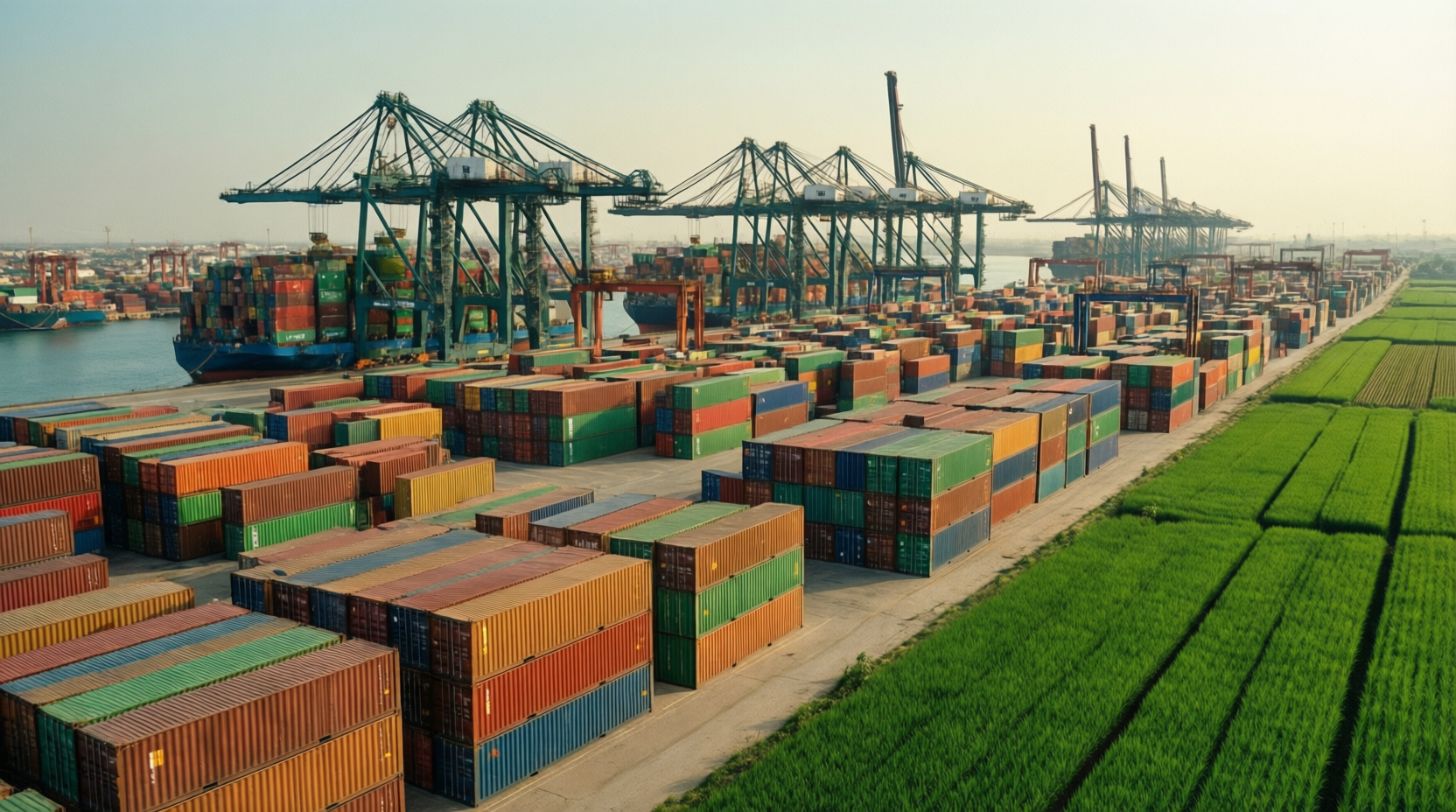
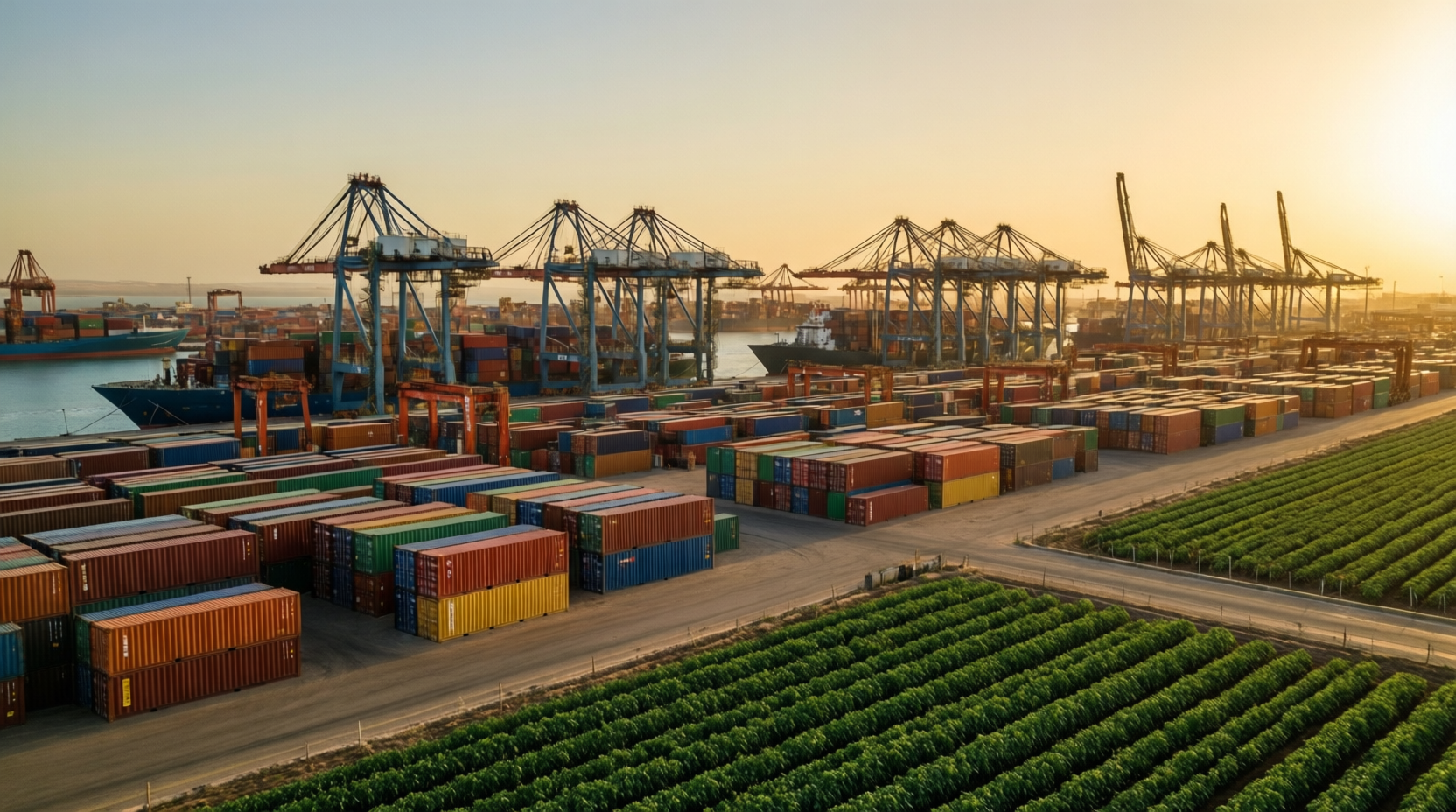
In early 2026, South Africa’s agricultural sector celebrated a notable milestone—exports surged to an unprecedented US$3.7 billion in the first quarter alone, fueled largely by fruits and nuts. However, this surge is testing the capacity and efficiency of one of Africa’s key gateways, the Port of Cape Town. With container congestion and equipment bottlenecks escalating, exporters face delays that could undermine growth if not addressed with strategic solutions and modern logistics technology.
What specific logistical bottlenecks is the Port of Cape Town experiencing amid agro-export growth?
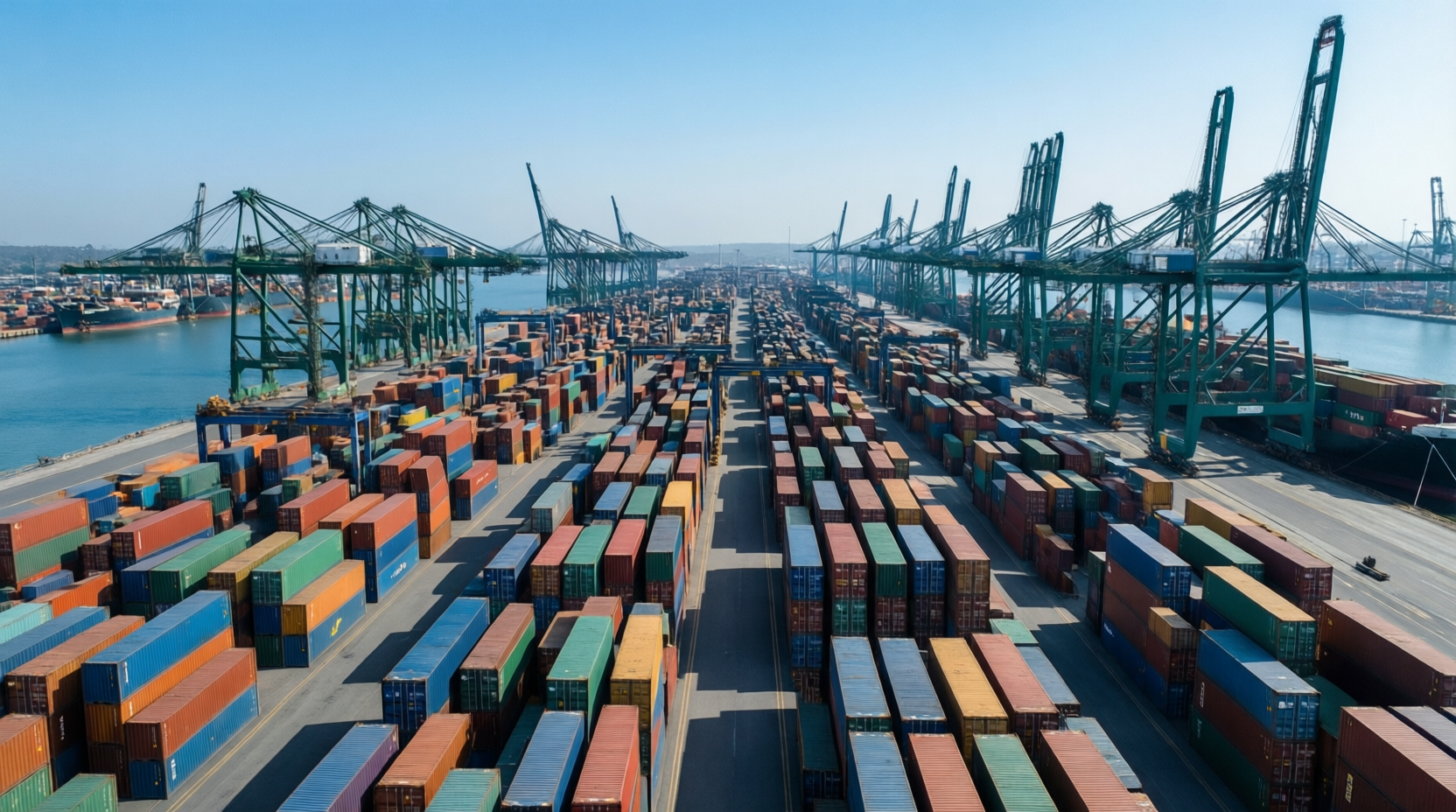
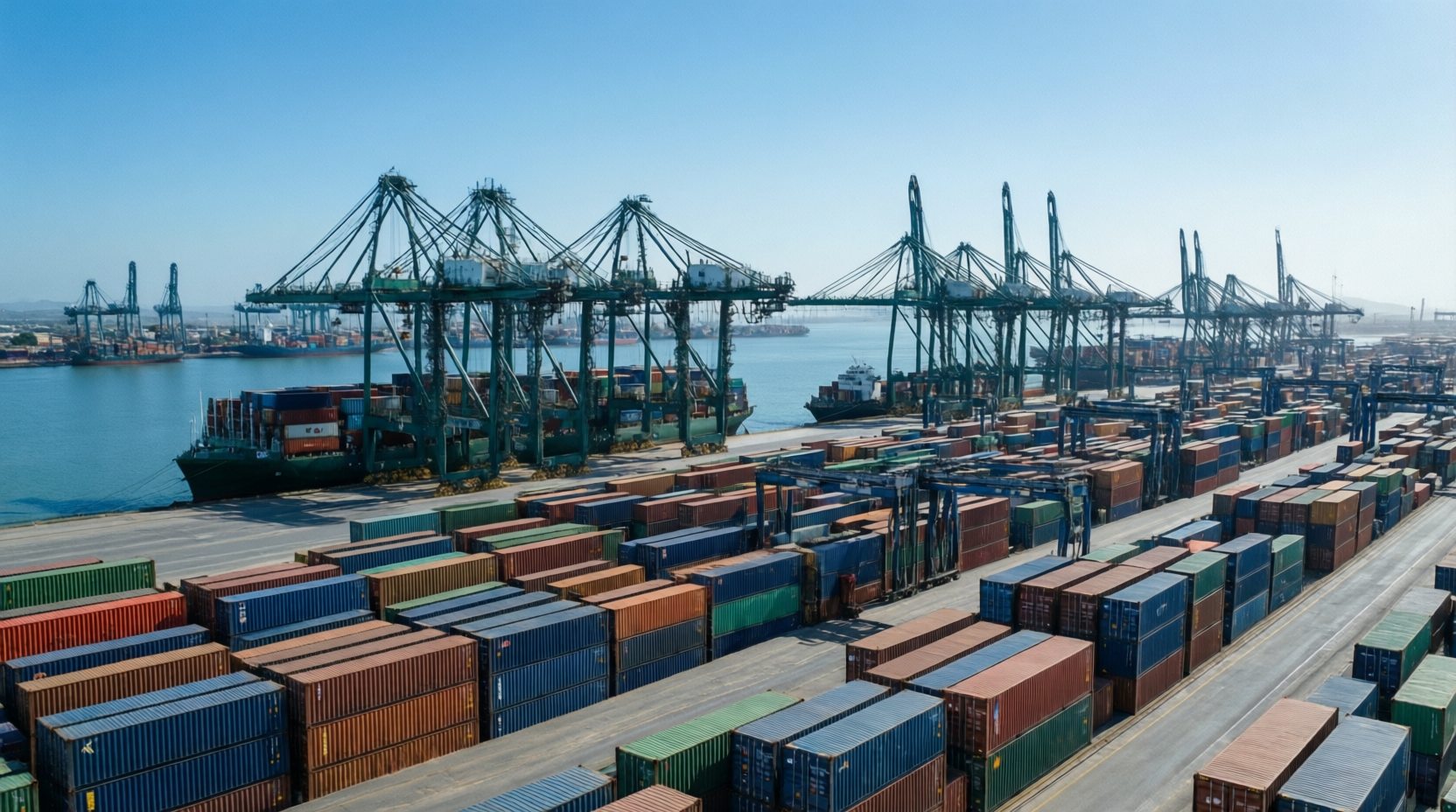
The Port of Cape Town currently faces increased container dwell times, vessel waiting periods, and equipment shortages, compounded by a surge in exports. Limited berth availability and aging cargo handling infrastructure have created congestion, delaying perishables' rapid clearance essential for agricultural exports. These inefficiencies increase costs and risk product quality deterioration, threatening South Africa’s competitive edge in export markets.
How can freight handling technology alleviate these port bottlenecks effectively?
Deploying automated container handling systems, real-time tracking via IoT sensors, and AI-driven scheduling algorithms can accelerate cargo processing and berth allocation. Technologies like automated guided vehicles (AGVs) and improved terminal operating systems streamline cargo movement and reduce handling times. This tech adoption reduces human error, optimizes asset utilization, and enables predictive maintenance, lessening downtime and congestion at the port.
What supply chain coordination strategies support overcoming export logistics challenges?
- Enhancing collaboration between growers, exporters, shipping lines, and port authorities to synchronize schedules and cargo flows.
- Implementing integrated digital platforms for real-time data sharing on shipment status and capacity availability.
- Adopting flexible storage and cold chain solutions near the port to buffer peak loads and maintain product freshness.
- Government-led initiatives to streamline customs clearance and documentation processes for faster cargo release.
What role does government policy play in addressing Port of Cape Town’s logistical constraints?
The South African government can accelerate infrastructure upgrades through public-private partnerships, invest in port modernization projects, and update regulatory frameworks to facilitate smoother cross-border trade. Supportive policies encouraging technology adoption, workforce training programs for advanced logistics operations, and incentives for private sector investments in freight handling are crucial. Coordinated policy actions can ease operational bottlenecks while maintaining export momentum.
How can exporters mitigate risks from current export bottlenecks?
- 1Diversify export routes by utilizing alternative ports where feasible to reduce dependency on Cape Town’s capacity.
- 2Optimize inventory and production planning to align harvest and shipment with port throughput capabilities.
- 3Invest in supply chain visibility tools to anticipate delays and reroute shipments proactively.
- 4Engage freight forwarders specialized in perishable goods to ensure compliance with cold chain and customs requirements.
What successful logistics improvements have other agro-export hubs implemented?
"Fruit Logistica in Berlin recently showcased how European hubs cut dwell times by 30% through automation and digitalization, crucial lessons for Cape Town’s evolving agricultural export landscape."
What future trends in agro-export logistics should South African stakeholders prepare for?
Increased adoption of blockchain for transparent documentation, drone-enabled last-mile delivery to remote farms, and AI-enhanced demand forecasting will reshape agricultural logistics. South Africa’s exporters and port operators embracing these trends will enhance resilience, reduce waste, and improve service quality. Multimodal transport integration and environmental sustainability initiatives are also gaining importance to meet global buyers’ evolving standards.
Call to Action
Addressing Port of Cape Town’s logistics bottlenecks with a blend of technology, policy reforms, and supply chain coordination is crucial to sustain the current growth trajectory in South Africa’s agricultural exports. Proactive investment today can unlock greater competitiveness and market share tomorrow.
Key takeaways
- South Africa’s record agro-export volumes strain Port of Cape Town’s capacity, causing delays and potential quality risks.
- Advanced freight handling technologies like automation and AI can significantly reduce bottlenecks at the port.
- Enhanced collaboration among stakeholders and streamlined customs processes are essential to optimize supply chain efficiency.
- Government initiatives supporting infrastructure modernization and technology adoption will be pivotal for sustained export growth.
Frequently asked questions
What causes logistical bottlenecks at the Port of Cape Town for agricultural exports?
Increased export volumes strain limited berth availability, cargo handling equipment, and customs clearance processes, causing congestion and delays.
How can technology improve freight handling at South Africa's ports?
Automation, IoT tracking, and AI-based scheduling enhance cargo processing speed, reduce errors, and optimize resource utilization, easing port congestion.
What supply chain practices help mitigate export delays?
Improved coordination among exporters, shippers, and port authorities, plus real-time data sharing and flexible cold storage, minimize risks from bottlenecks.
Is government support important for resolving export logistics issues?
Yes, government investment in port infrastructure, supportive regulations, and incentives for modernization are critical to overcoming logistical challenges.
Can exporters use other ports to avoid Cape Town’s congestion?
Where possible, exporters can diversify routes via alternative ports to reduce dependence on Cape Town, thereby lowering risk of shipment delays.
- Written and reviewed by our in-house trade experts — not AI-generated filler.
- Market figures come from live platform data across thousands of verified trades.
- Every buyer and supplier on The Trade Union is identity- and document-verified.
- Guides are updated as regulations and market conditions change.