On this page
- What factors are driving the recent surge in South Africa’s fruit and nut exports?
- How have commodity price trends affected South Africa’s fruit and nut export growth?
- What role does South Africa’s export logistics infrastructure play in supporting this export boom?
- What export market demand trends should South African fruit and nut exporters anticipate over the next 2-3 years?
- What challenges could impact South Africa’s fruit and nut export growth going forward?
- How can exporters leverage government and trade programs to enhance fruit and nut exports?
- What are the key export logistics considerations for mitigating risks in the fruit and nut supply chain?
- Key takeaways
- FAQ
In the first quarter of 2026, South Africa's fruit and nut exports experienced a remarkable 11% year-on-year increase, reaching record agricultural export revenues of R67 billion. This surge, driven by higher export volumes and improved commodity prices, has positioned the country as a key supplier in global markets. We dissect the underlying drivers fueling this growth and examine the prospects and hurdles exporters should anticipate in the coming years.
What factors are driving the recent surge in South Africa’s fruit and nut exports?
The 11% growth in South Africa’s fruit and nut export volumes in Q1 2026 is primarily fueled by a combination of increased production yields and stronger global demand, especially from European and Asian markets. Favorable commodity price trends have incentivized higher shipments, while the adoption of improved agricultural practices has enhanced crop quality and shelf life, making South African produce more competitive internationally.
How have commodity price trends affected South Africa’s fruit and nut export growth?
Commodity prices for fruits and nuts have seen an upward trajectory in early 2026, with prices supported by tight supplies elsewhere and growing consumer preference for healthy, natural foods. South Africa’s ability to offer consistent quality and volume at competitive prices has allowed exporters to capture premium segments and improve profitability.
What role does South Africa’s export logistics infrastructure play in supporting this export boom?
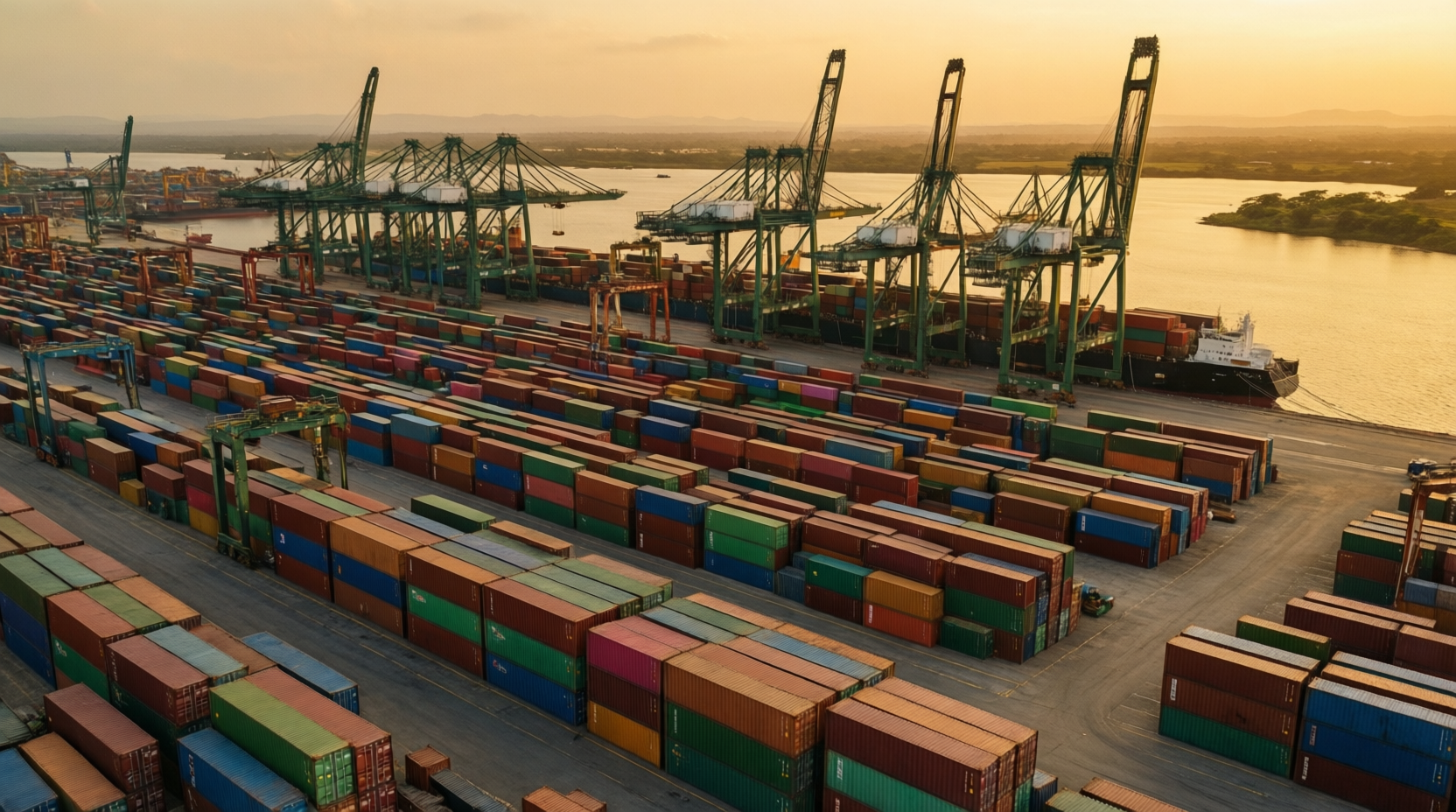
Efficient logistics are critical in preserving the freshness of perishable products. Despite challenges at the Port of Cape Town causing some congestion, exporters have rerouted shipments through Eastern Cape ports to maintain timely deliveries. Investments in cold chain facilities and better coordination among exporters and port authorities have mitigated some risks, ensuring smooth export flows amid rising volumes.
What export market demand trends should South African fruit and nut exporters anticipate over the next 2-3 years?
Global demand for South African fruits and nuts is expected to remain robust, driven by health-conscious consumers and rising incomes in emerging markets. Demand forecasts suggest steady growth in Asia-Pacific and the Middle East, complementing long-established European markets, provided exporters adapt to evolving phytosanitary and quality requirements.
What challenges could impact South Africa’s fruit and nut export growth going forward?
- Port congestion and logistical bottlenecks may cause delays and increase costs.
- Climatic variability, including drought risks, could affect crop yields.
- Increased competition from other exporting nations might pressure prices.
- Changing trade policies and tariffs in key markets could affect export dynamics.
"South Africa’s strategic shift to diversify export routes and invest in cold chain logistics has been pivotal in sustaining its fruit and nut export boom despite regional challenges."
How can exporters leverage government and trade programs to enhance fruit and nut exports?
Exporters can benefit from South African government initiatives such as the Agricultural Export Development Program and support from bodies like the Perishable Products Export Control Board (PPECB) that ensure compliance with international standards. Participating in major trade fairs like SIAL and Fruit Logistica also opens avenues for market expansion and networking with global buyers.
Sustaining the Boom
Callout: Continuous investment in logistics, diversification of export markets, and compliance with evolving phytosanitary regulations are crucial for sustaining South Africa’s fruit and nut export momentum.
What are the key export logistics considerations for mitigating risks in the fruit and nut supply chain?
Key considerations include securing reliable cold storage, optimizing transport routes to avoid congestion, ensuring timely customs clearance, and maintaining robust packaging standards to prevent damage. Collaborations between exporters, logistics providers, and port authorities are essential to efficiently manage the export pipeline.
Key takeaways
- South Africa’s fruit and nut exports surged 11% in Q1 2026, driven by higher volumes and improved commodity prices.
- Global demand from Europe and Asia is expected to sustain growth over the next 2-3 years, with health trends boosting consumption.
- Logistics challenges at major ports are being mitigated by rerouting and cold chain investments to preserve export quality.
- Exporters should leverage government programs and trade fairs to enhance market access and ensure compliance with international standards.
Frequently asked questions
What caused South Africa’s fruit and nut export growth in early 2026?
The growth was driven by increased production, improved commodity prices, and rising global demand, particularly from Europe and Asia.
How are logistics affecting South Africa's fruit and nut exports?
Port congestion has led some exporters to use alternative ports and invest in cold chain infrastructure to maintain product freshness and timely exports.
Which markets show the highest demand potential for South African fruit and nut exports?
Europe remains a major market, while demand is increasing in Asia-Pacific and the Middle East, driven by health-conscious consumers.
What export regulations should South African exporters be aware of?
Exporters must comply with phytosanitary standards enforced by bodies like PPECB and adhere to importing countries’ quality and packaging requirements.
What are the future risks to South Africa’s fruit and nut export growth?
Risks include logistical bottlenecks, climate variability, increased international competition, and changing trade policies affecting market access.
- Written and reviewed by our in-house trade experts — not AI-generated filler.
- Market figures come from live platform data across thousands of verified trades.
- Every buyer and supplier on The Trade Union is identity- and document-verified.
- Guides are updated as regulations and market conditions change.