On this page
- Which alternative ports can South African exporters use besides the Port of Cape Town?
- How do eastern ports improve export logistics for perishable agricultural products?
- What export routing strategies can exporters implement to mitigate delays?
- Are there any governmental or industry supports to help exporters shift to alternative ports?
- What challenges might exporters face when switching ports, and how can they be addressed?
- How significant is the impact of Port of Cape Town congestion on South Africa’s agricultural export growth in 2026?
- What role does rail infrastructure play in optimizing access to eastern ports?
- Key takeaways
- FAQ
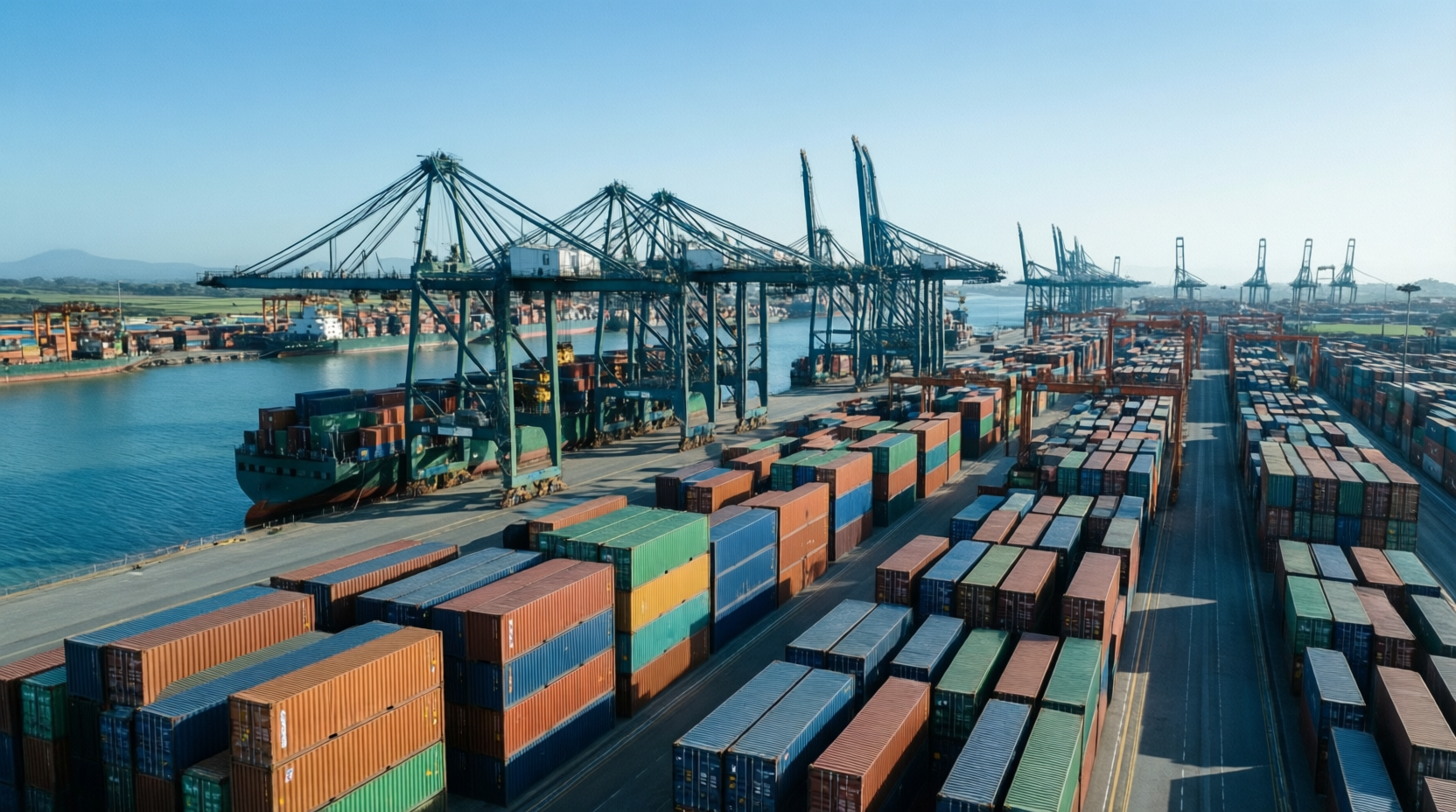
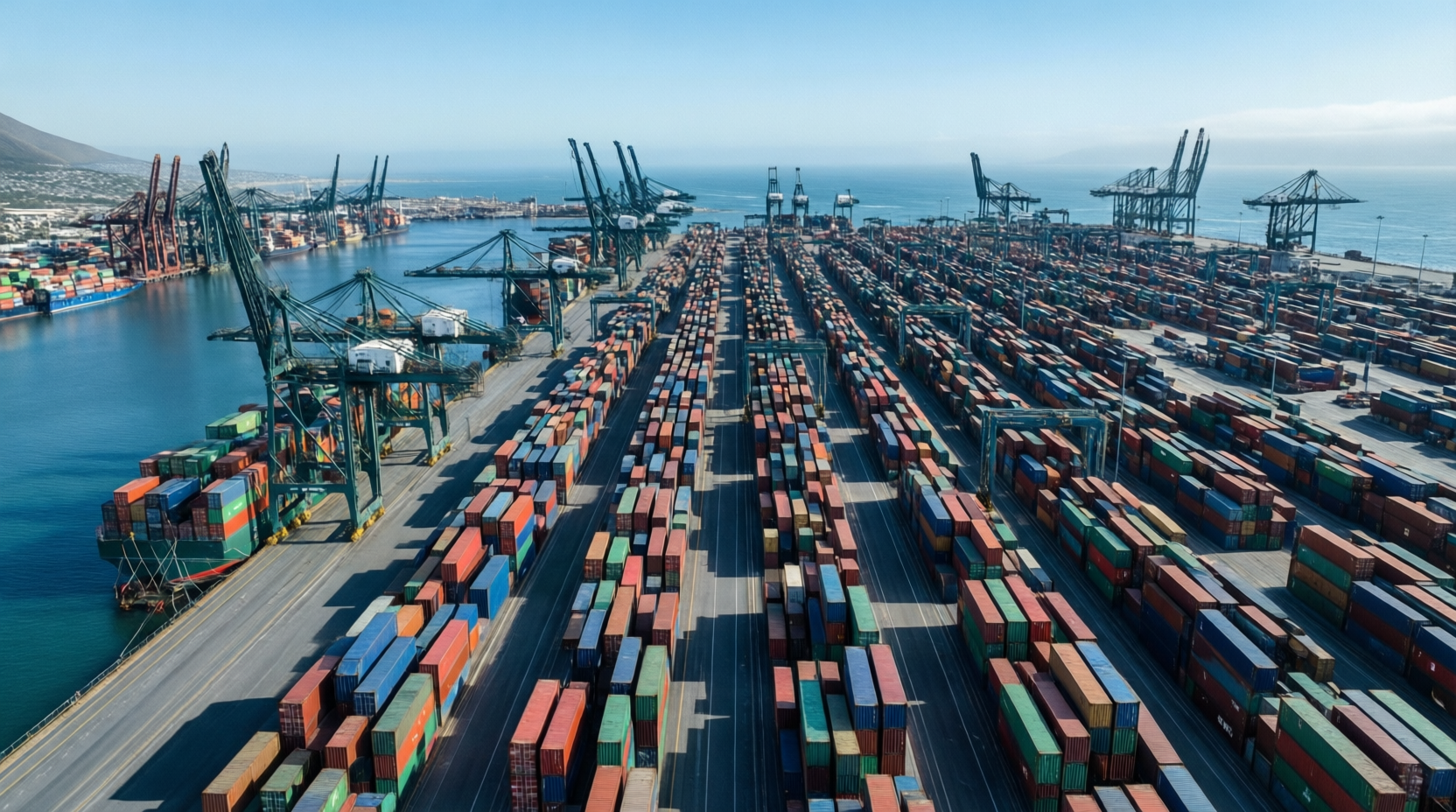
South Africa's agricultural exports have boomed in 2026, hitting record earnings, especially in fruit and nuts. However, congestion at the Port of Cape Town—the primary gateway for these exports—has caused logistical bottlenecks, affecting timely shipments. Exporters are now urgently seeking alternative ports and routing strategies to ensure their fresh produce reaches global markets without delay.
Which alternative ports can South African exporters use besides the Port of Cape Town?
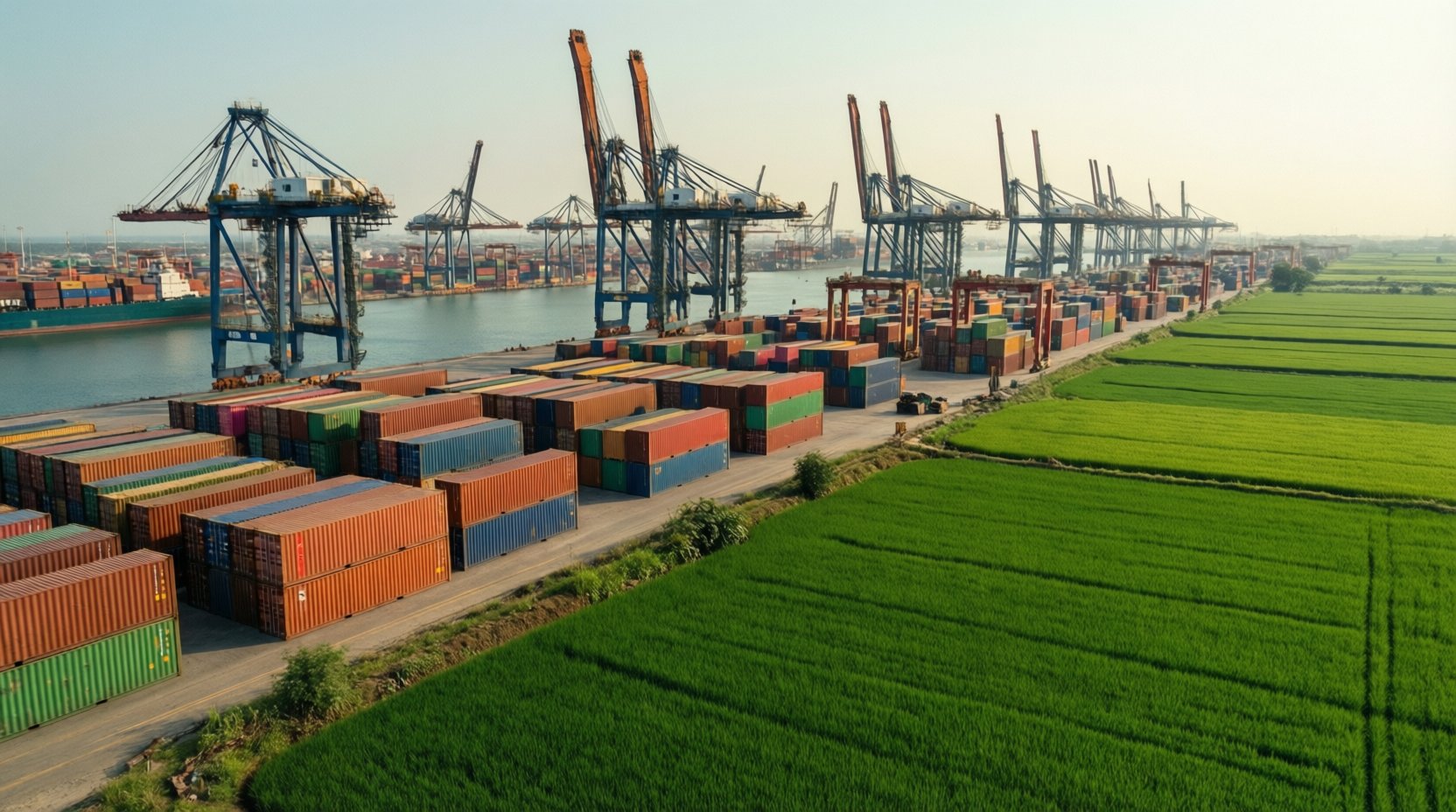
South African exporters are turning to eastern ports like Port Elizabeth (also known as Gqeberha), Durban, and Ngqura to ease congestion-related delays. These ports offer substantial capacity and improved infrastructure for handling agricultural exports, especially fresh fruit, due to their proximity to key farming regions in the Eastern Cape and KwaZulu-Natal.
How do eastern ports improve export logistics for perishable agricultural products?
Eastern ports typically provide quicker turnaround times and less congestion, which are critical for perishable goods like fruits and nuts. Their cold chain facilities and efficient customs processes help maintain product freshness and reduce spoilage during transit, supporting compliance with stringent international phytosanitary and quality standards.
What export routing strategies can exporters implement to mitigate delays?
- Utilize multimodal transport combining road, rail, and sea to access eastern ports effectively.
- Plan shipments to avoid peak congestion periods at the Port of Cape Town and leverage alternative ports.
- Coordinate with freight forwarders to optimize container loads and consolidate shipments for cost efficiency.
- Engage directly with port authorities and use real-time tracking tools for proactive logistics management.
Are there any governmental or industry supports to help exporters shift to alternative ports?
Yes, agencies like the Agricultural Produce Export Development Agency (APEDA) and the South African Fresh Produce Exporters Forum provide information and assistance on logistical alternatives and compliance requirements. Additionally, the Transnet Freight Rail and port authorities have introduced programs to enhance rail connectivity to eastern ports, facilitating smoother export routes.
What challenges might exporters face when switching ports, and how can they be addressed?
Shifting ports involves adapting to new transit schedules, possible increases in inland transportation costs, and coordinating new customs procedures. Exporters can mitigate these challenges by engaging experienced logistics partners familiar with eastern ports, investing in route planning technologies, and building in schedule flexibility to accommodate operational adjustments.
How significant is the impact of Port of Cape Town congestion on South Africa’s agricultural export growth in 2026?
While South Africa's agricultural exports grew 11% in Q1 2026, delays at Cape Town have threatened this momentum, particularly for fresh produce requiring strict timing to maintain quality. Timely mitigation through alternative ports is essential to sustain export volumes and capitalize on global demand, especially in markets sensitive to delivery times.
"Diversifying export routes by leveraging eastern ports is not just a contingency plan but a vital strategy for South African exporters to maintain competitiveness in fast-moving international markets." - Logistics expert, South African Export Council
Key Strategy for South African Agro Exporters
Exporters should evaluate eastern port options proactively, considering proximity to production zones, port capacity, and access to cold chain facilities, to safeguard fresh produce exports against delays and quality risks.
What role does rail infrastructure play in optimizing access to eastern ports?
Enhanced rail connections to ports like Ngqura and Port Elizabeth reduce reliance on road transport, lowering costs and transit times. Transnet’s recent investments in rail freight modernization aim to streamline export logistics, making eastern ports more viable and attractive alternatives to Cape Town for bulk and containerized agricultural shipments.
Key takeaways
- Port congestion at Cape Town is causing significant delays for South African agricultural exports, especially perishables.
- Eastern ports like Port Elizabeth, Durban, and Ngqura offer viable alternatives with better capacity and infrastructure.
- Multimodal transport and strategic shipment planning can mitigate logistics delays and preserve product quality.
- Government agencies and industry bodies provide support to exporters shifting to alternative ports.
- Investing in rail freight and cold chain facilities at eastern ports is critical for optimizing export logistics.
Frequently asked questions
Why is the Port of Cape Town congested and how does it affect agricultural exports?
High export volumes coupled with infrastructure constraints have led to congestion at the Port of Cape Town, causing delays that negatively impact perishable agricultural exports by prolonging transit times and risking quality deterioration.
Can I use ports in the Eastern Cape as alternatives for fruit exports?
Yes, ports such as Port Elizabeth and Ngqura in the Eastern Cape have improved facilities and infrastructure, making them viable alternatives to Cape Town for fruit and other agricultural exports, reducing delays and improving freshness.
How can I coordinate logistics effectively when switching export ports?
Engage experienced freight forwarders familiar with alternative ports, use real-time tracking tools, and plan shipments ahead to avoid peak congestion. Multimodal transport combining rail and road can also improve logistics efficiency.
Are there government programs to support export logistics diversification?
Yes, organizations like APEDA and the South African Fresh Produce Exporters Forum offer guidance and support. Additionally, Transnet is enhancing rail links to eastern ports, facilitating smoother freight movement for exporters.
What are key considerations when choosing an alternative port for agricultural exports?
Consider the port’s proximity to your production area, cold chain storage capacity, customs clearance efficiency, transportation costs, and connections to your target export markets to ensure smooth and timely export processes.
- Written and reviewed by our in-house trade experts — not AI-generated filler.
- Market figures come from live platform data across thousands of verified trades.
- Every buyer and supplier on The Trade Union is identity- and document-verified.
- Guides are updated as regulations and market conditions change.