On this page
- What are the key benefits of India-UK CETA for Indian agro-exports beyond mango pulp?
- How can Indian exporters diversify their product portfolio to capitalize on the CETA?
- What compliance and certification requirements must exporters manage under the India-UK trade agreement?
- Which Indian agricultural products show the most promising demand growth in the UK market?
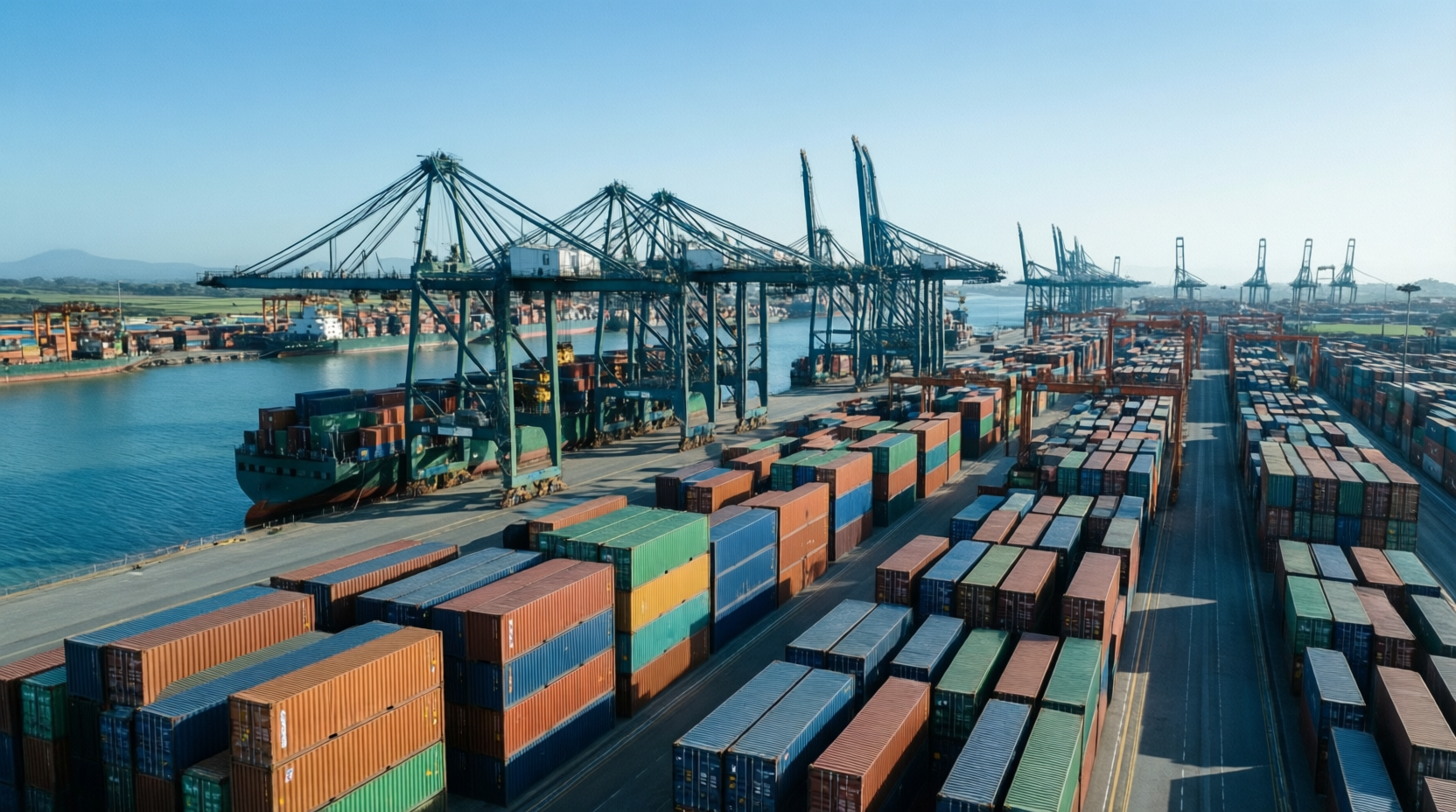
- How can exporters optimize supply chains and logistics to benefit from India-UK CETA?
- What role do government bodies and trade exhibitions play in supporting exporters?
- How does the competitive landscape affect Indian agro-exports to the UK under this agreement?
- Key takeaways
- FAQ
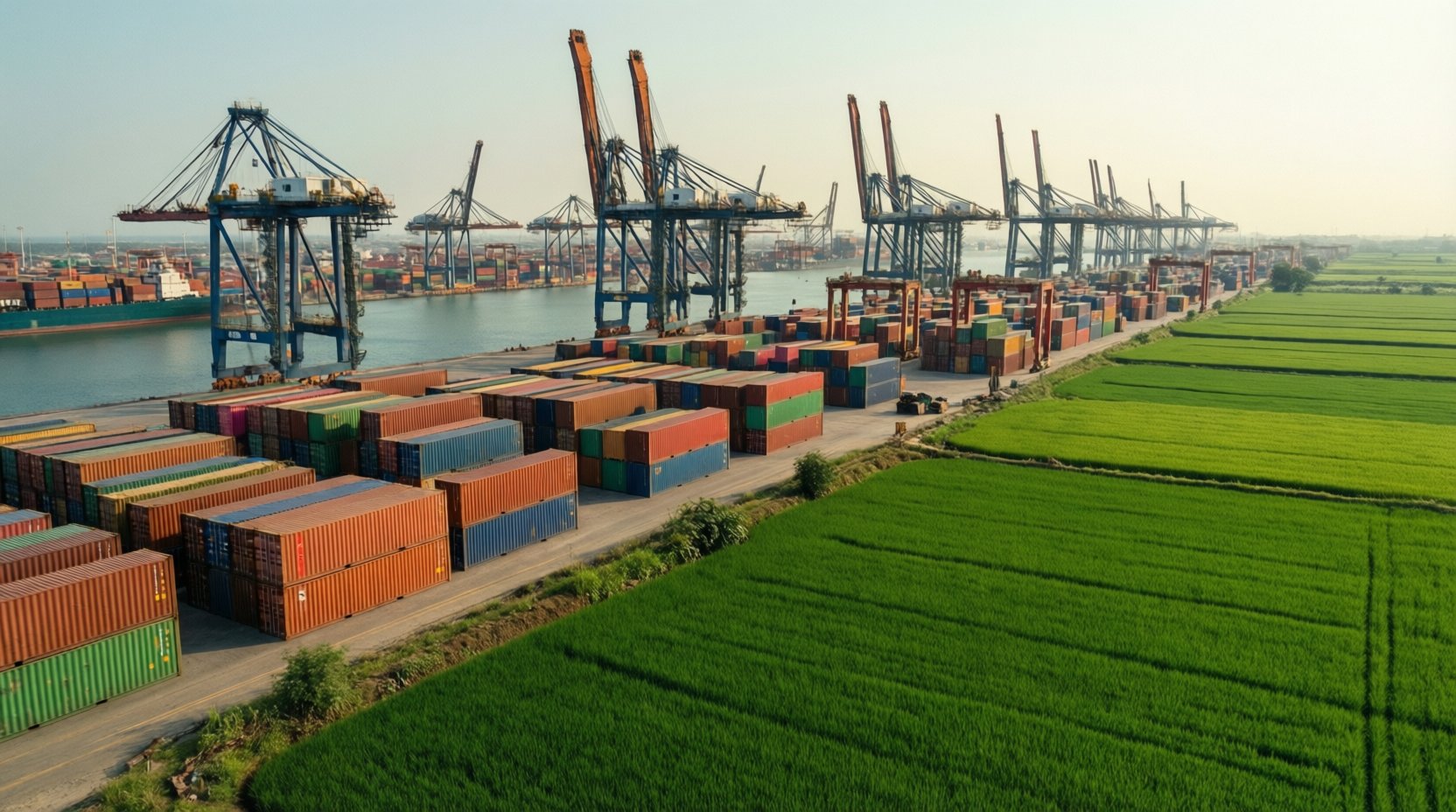
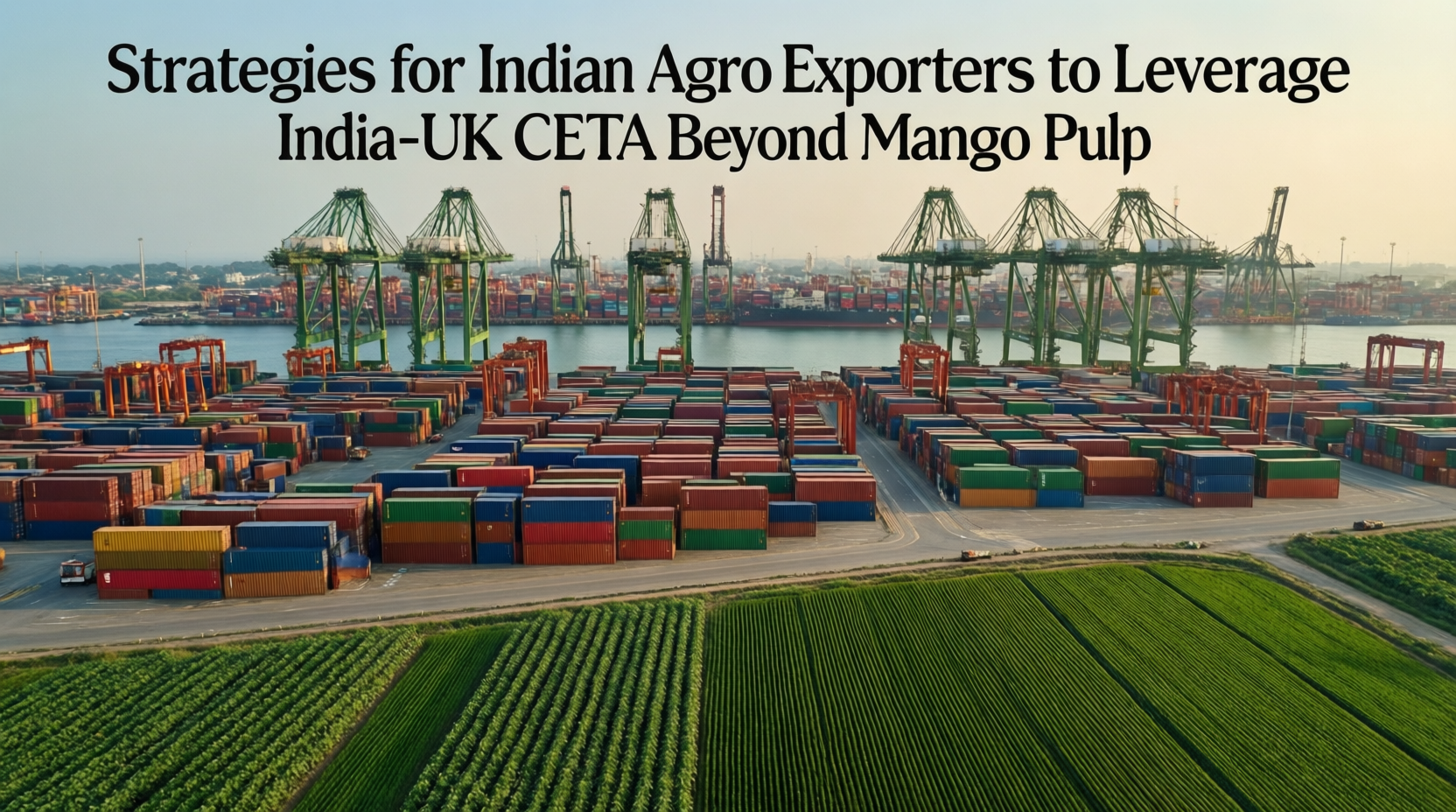
Since the mid-2026 rollout of the India-UK Comprehensive Economic and Trade Agreement (CETA), Indian agro-exporters are witnessing diverse opportunities beyond the celebrated mango pulp segment. While mango pulp unlocked significant market access, new possibilities now arise in maize, rice, spices, and processed foods, expanding the horizons for Indian agricultural exports to the UK.
What are the key benefits of India-UK CETA for Indian agro-exports beyond mango pulp?
India-UK CETA reduces or eliminates tariffs on a range of agricultural products, accelerating cost competitiveness of Indian exports in the UK market. This includes staple crops like maize and rice, spices such as turmeric and cumin, and processed food items, all previously subject to higher import duties. Complementing tariff concessions, streamlined customs procedures and improved regulatory cooperation ease entry barriers for exporters.
How can Indian exporters diversify their product portfolio to capitalize on the CETA?
What compliance and certification requirements must exporters manage under the India-UK trade agreement?
Quote from industry expert
"Expanding beyond mango pulp requires exporters to think strategically—not just about price but about quality standards, certification, and consumer preferences. India-UK CETA is a gateway to broaden our agro-export footprint in the UK." – Anjali Mehta, Export Consultant
Which Indian agricultural products show the most promising demand growth in the UK market?
How can exporters optimize supply chains and logistics to benefit from India-UK CETA?
What role do government bodies and trade exhibitions play in supporting exporters?
Trade Pact Tip
Exporters should view India-UK CETA not as a one-dimensional tariff cut but as a multi-sector opportunity to innovate their product range, upgrade quality, and deepen market insights to unlock sustained growth in UK agro-exports.
How does the competitive landscape affect Indian agro-exports to the UK under this agreement?
Key takeaways
- India-UK CETA expands tariff concessions beyond mango pulp to maize, rice, spices, and processed foods.
- Compliance with origin, phytosanitary, and labeling standards is critical to leverage trade benefits.
- Diversifying product portfolios aligned with UK market demand enhances export opportunities.
- Effective supply chain management and participation in trade fairs support market penetration.
Frequently asked questions
What Indian agro-products can benefit from India-UK CETA besides mango pulp?
Products like maize, various rice types, spices, and processed food items stand to gain from reduced tariffs and better market access under India-UK CETA.
How important are certifications for Indian agro-exporters under the India-UK trade pact?
Certifications such as Certificates of Origin, phytosanitary clearances, and quality accreditations are essential to comply with UK import regulations and secure tariff advantages.
Can participation in UK trade fairs really help Indian agro-exporters?
Yes, trade fairs like the Food & Drink Expo offer opportunities to showcase products, meet buyers, understand preferences, and build business relationships.
How can Indian exporters handle competition from other exporting countries under this agreement?
By focusing on product quality, value addition, certifications, and marketing innovation, Indian exporters can effectively differentiate themselves in competitive UK markets.
What logistical changes are needed to maximize India-UK CETA benefits?
Optimizing shipping routes, using cold-chain logistics for perishables, and employing digital platforms for buyer connections improve export efficiency and market responsiveness.
- Written and reviewed by our in-house trade experts — not AI-generated filler.
- Market figures come from live platform data across thousands of verified trades.
- Every buyer and supplier on The Trade Union is identity- and document-verified.
- Guides are updated as regulations and market conditions change.