On this page
- How does China’s zero-tariff policy impact Zimbabwe’s blueberry exports?
- What opportunities has the tariff removal created for Zimbabwean farmers and exporters?
- Are there challenges exporters face despite the zero-tariff policy?
- How has this policy influenced broader African agricultural trade with China?
- What role do exporters need to play to capitalize on these new opportunities?
- Key takeaways
- FAQ
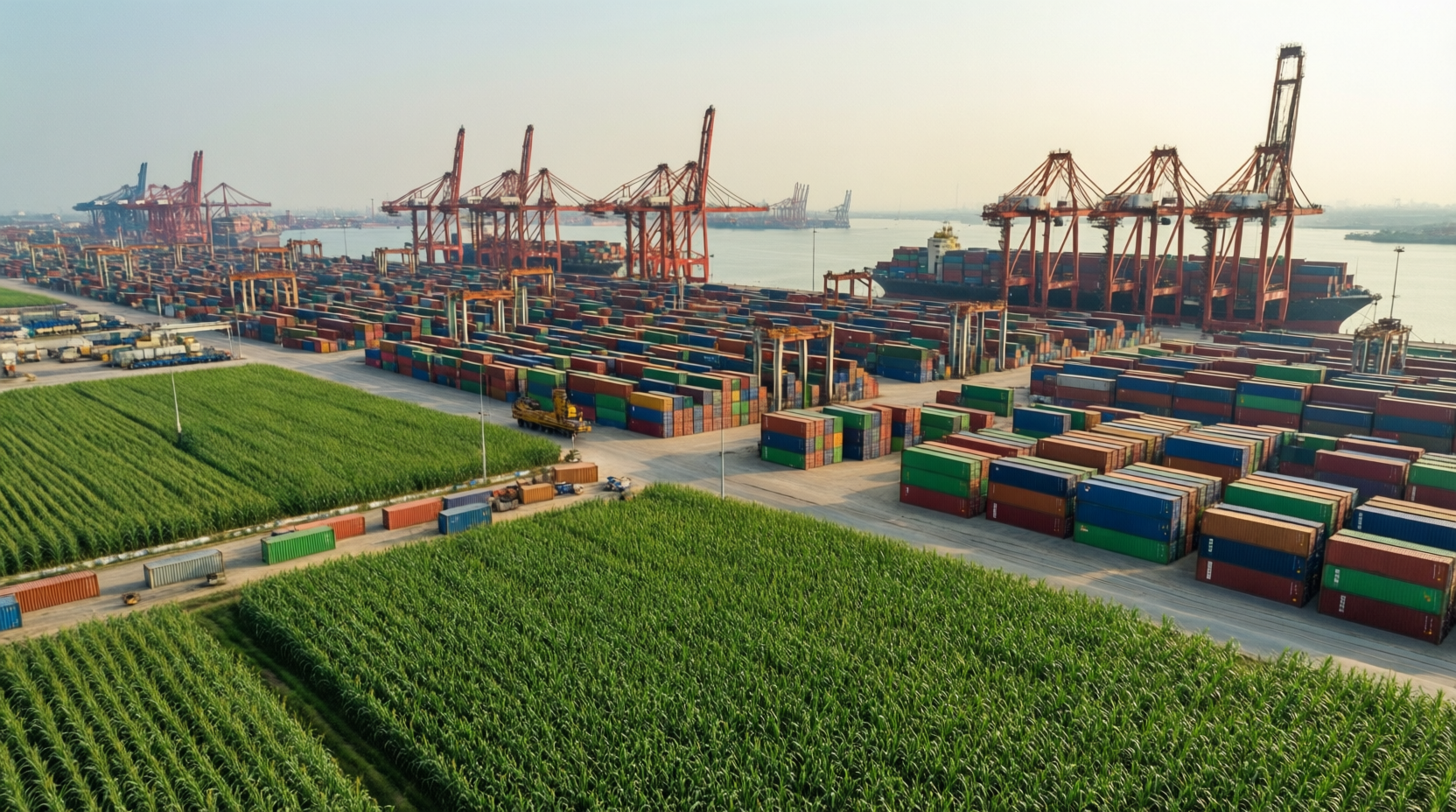
In May 2026, China introduced a pivotal zero-tariff policy benefiting 53 African nations, including Zimbabwe. This strategic move has opened up new avenues for Zimbabwe's agro-exporters, especially in blueberries — a crop gaining traction globally for its health benefits. The removal of tariffs has made Zimbabwean blueberries more competitive and accessible in China's vast consumer market, signaling a promising new chapter for African agricultural exports.
How does China’s zero-tariff policy impact Zimbabwe’s blueberry exports?
China’s zero-tariff policy eliminates import duties on blueberries from Zimbabwe, substantially reducing costs for exporters and importers alike. This enhances the price competitiveness of Zimbabwean blueberries in the Chinese market, encouraging larger volumes and more frequent shipments. The policy effectively lowers entry barriers, propelling Zimbabwe’s position as a key blueberry supplier in the region.
What opportunities has the tariff removal created for Zimbabwean farmers and exporters?
- Increased export volumes due to competitive pricing on the Chinese market.
- Access to a large and growing consumer base with rising demand for fresh berries.
- Attraction of new investment in blueberry farming and export infrastructure.
- Enhanced incentives for farmers to diversify into high-value crops like blueberries.
Are there challenges exporters face despite the zero-tariff policy?
Despite tariff removal, Zimbabwean exporters face challenges such as logistics bottlenecks, stringent phytosanitary standards in China, and the need for consistent quality control. Additionally, exporting perishable goods like blueberries requires efficient cold-chain infrastructure which Zimbabwe is still developing. Meeting China’s import regulations and consumer expectations remains critical for sustained growth.
How has this policy influenced broader African agricultural trade with China?
The zero-tariff policy has not only boosted Zimbabwe’s blueberry exports but also reignited interest across Africa in expanding agricultural trade with China. It sets a template for reduced trade costs and improved market access, encouraging other African countries to enhance their agro-export capabilities. This policy underlines China's commitment to strengthening economic ties with Africa through trade facilitation.
What role do exporters need to play to capitalize on these new opportunities?
Exporters must invest in meeting China’s quality and safety standards, improving logistics and cold-chain management, and actively marketing their produce. Building strong relationships with Chinese importers and leveraging digital trade platforms can maximize gains from tariff removal. Additionally, collaborations with local farmers to enhance yields and quality are essential for sustainable export growth.
"China’s zero-tariff policy marks a historic milestone for Zimbabwe’s agricultural exports, opening doors to one of the world’s largest consumer markets and setting the stage for transformative growth in blueberry farming." – Agricultural Trade Expert, TB Africa
Policy Impact Summary
The zero-tariff policy is a game-changer that encourages Zimbabwean agro-exporters to scale up blueberry production, enhance export quality, and foster stronger China-Africa trade relations with mutual benefits.
Key takeaways
- China’s zero-tariff policy significantly lowers barriers for Zimbabwe’s blueberry exports, paving the way for expansion.
- Zimbabwean farmers and exporters gain access to a large and demanding Chinese market with reduced costs.
- Challenges remain in logistics, quality compliance, and cold-chain infrastructure that exporters must address.
- The policy fosters broader African agricultural trade growth with China, highlighting new market opportunities.
Frequently asked questions
When did China’s zero-tariff policy for African countries take effect?
China’s zero-tariff policy for 53 African countries, including Zimbabwe, came into effect on May 1, 2026.
How does the policy benefit Zimbabwe’s blueberry exporters?
The policy removes import tariffs on Zimbabwean blueberries, reducing costs and making exports more price-competitive in China.
What challenges should exporters consider despite tariff removal?
Exporters need to address logistics issues, meet China’s phytosanitary standards, and ensure reliable cold-chain management for perishables.
Is the zero-tariff policy limited to blueberries or broader agricultural products?
While blueberries are a highlighted example, the zero-tariff policy applies broadly to eligible agricultural goods from African countries.
How can Zimbabwean exporters best leverage this policy?
By enhancing product quality, improving supply chain logistics, and building strong market linkages in China, exporters can maximize benefits from the tariff removal.
- Written and reviewed by our in-house trade experts — not AI-generated filler.
- Market figures come from live platform data across thousands of verified trades.
- Every buyer and supplier on The Trade Union is identity- and document-verified.
- Guides are updated as regulations and market conditions change.