On this page
- What are the main objectives of Ethiopia’s coffee sector development program?
- How does this program intend to improve coffee yields and quality?
- What role does the Ethiopian government play in this initiative?
- How will this program impact Ethiopia’s position in the global coffee market?
- What are the expected economic benefits of the five-year plan?
- What challenges does Ethiopia face in implementing this program?
- How does Ethiopia’s program compare to other African coffee export growth efforts?
- Key takeaways
- FAQ
Ethiopia, renowned as the birthplace of Arabica coffee, is embarking on an ambitious five-year national coffee sector development program. With coffee exports earning the country $3 billion in the 2025/26 financial year, the government aims to harness this momentum by boosting production, improving yields, and expanding its foothold in global markets, particularly with new trade opportunities emerging in Asia.
What are the main objectives of Ethiopia’s coffee sector development program?
The program focuses on increasing coffee yields through advanced agronomic practices, improving quality standards, expanding farmer training, and enhancing infrastructure. A key goal is to significantly elevate Ethiopia's coffee exports by 2026, capturing greater foreign exchange earnings to support the nation’s economy.
How does this program intend to improve coffee yields and quality?
- Introducing modern farming technologies and disease-resistant coffee varieties
- Providing farmers with training on sustainable cultivation and post-harvest handling
- Upgrading processing and storage facilities to maintain bean quality
- Expanding access to finance for smallholder farmers to invest in improvements
What role does the Ethiopian government play in this initiative?
The government is spearheading the development program by allocating resources, coordinating stakeholders, and setting policy frameworks that encourage investment in the coffee value chain. It also facilitates partnerships with international organizations and private sector players to maximize program impact and ensure market access.
How will this program impact Ethiopia’s position in the global coffee market?
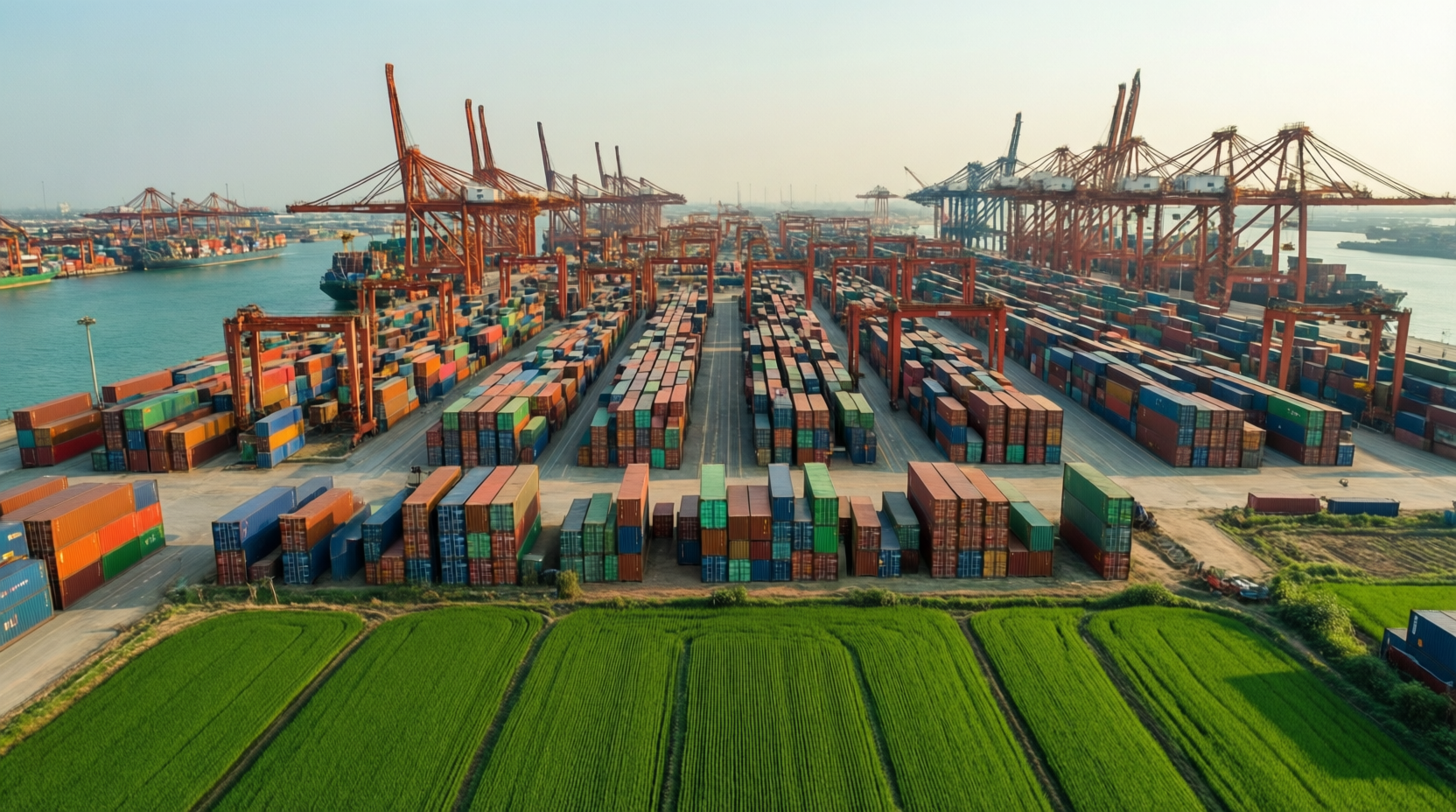
By boosting production volumes and improving quality, Ethiopia aims to strengthen its status as Africa’s leading coffee exporter. The program aligns with new export opportunities, particularly after China’s market opened to coffee beans from all 53 African countries, potentially increasing demand and diversifying Ethiopia’s export destinations.
What are the expected economic benefits of the five-year plan?
- Increase in foreign exchange earnings beyond the current $3 billion level
- Job creation across the coffee value chain, especially in rural areas
- Enhanced livelihoods for smallholder farmers through higher incomes
- Strengthened export infrastructure supporting overall agricultural trade growth
What challenges does Ethiopia face in implementing this program?
Challenges include managing climate change impacts on coffee-growing regions, ensuring consistent funding and farmer participation, and overcoming logistical hurdles in transport and export infrastructure. Addressing these issues is vital for the sustainability and success of the program.
How does Ethiopia’s program compare to other African coffee export growth efforts?
While other African nations have seen growth in coffee exports, Ethiopia’s program is distinctive for its comprehensive, government-led approach combining yield improvement, quality enhancement, and market expansion tactics. This integrated strategy positions Ethiopia to lead African coffee export growth through 2026 and beyond.
"Our national coffee sector development program is a transformational step that leverages Ethiopia’s rich coffee heritage with modern agricultural innovation to boost export earnings and support our farmers." – Ethiopian Minister of Agriculture
Global market opportunity
Ethiopia’s opening in global coffee trade coincides with China’s July 2026 decision to welcome coffee beans from all African countries, creating exciting export market opportunities for Ethiopian producers.
Key takeaways
- Ethiopia launched a five-year coffee sector development program to increase yields and exports by 2026.
- The program emphasizes modern farming techniques, quality control, and farmer support to boost coffee production.
- Government leadership and international trade openings, including China’s new market access, are crucial to the plan’s success.
- This initiative aims to significantly increase foreign exchange earnings and improve livelihoods for Ethiopian coffee farmers.
Frequently asked questions
What is Ethiopia’s National Coffee Sector Development Program?
It is a government-led five-year initiative to improve coffee yields, quality, and exports, aiming to boost Ethiopia’s position as a top coffee exporter by 2026.
How will the program increase coffee production?
Through modern farming practices, disease-resistant varieties, farmer training, and upgraded processing infrastructure to improve both quantity and quality.
Why is now a strategic time for Ethiopia to focus on coffee exports?
Because Ethiopia recently earned $3 billion in coffee exports and global markets like China have opened to African coffee, presenting new growth opportunities.
What economic benefits will the program bring?
It is expected to increase foreign exchange earnings, create jobs, and improve livelihoods for smallholder farmers involved in coffee production.
Are there challenges to the program’s success?
Yes, including climate risks, funding consistency, farmer engagement, and logistical issues, all of which require careful management during implementation.
- Written and reviewed by our in-house trade experts — not AI-generated filler.
- Market figures come from live platform data across thousands of verified trades.
- Every buyer and supplier on The Trade Union is identity- and document-verified.
- Guides are updated as regulations and market conditions change.