On this page
- What objectives does the India-Europe trade delegation aim to achieve for agro-exports?
- How can business delegations improve agro-investment flows between India and Europe?
- What are the key challenges in expanding India-Europe agro trade ties and how does the delegation address them?
- Which agro-products have strong potential in the European market?
- How does the delegation capitalize on recent trade agreements like the India-UK FTA?
- What role do Spain, Belgium, and Finland play in India's agro-export strategy?
- Key takeaways
- FAQ
In July 2026, India's Commerce Minister, Piyush Goyal, leads a pivotal business delegation to Spain, Belgium, and Finland to enhance agro-export partnerships and attract investment. This mission arrives at a critical juncture, as India navigates challenges in its agricultural sector and seeks to expand its footprint in global markets, particularly in Europe. The delegation reflects India's strategic efforts to diversify export markets and strengthen bilateral trade relations with European countries.
What objectives does the India-Europe trade delegation aim to achieve for agro-exports?
The delegation seeks to create robust trade linkages by facilitating dialogues that address trade barriers, explore new market access under recent agreements like the India-UK FTA, and promote Indian agro-products to European buyers. Additionally, it focuses on attracting European investment in India's agro-industry to boost production capacity, technology transfer, and supply chain efficiency.
How can business delegations improve agro-investment flows between India and Europe?
Face-to-face interactions during these delegations enable Indian companies and European investors to identify opportunities and challenges directly, leading to tailored investment projects. They also provide platforms for sharing best practices on sustainable agriculture, food safety standards, and innovation, encouraging joint ventures and funding for agro-processing and export infrastructure.
What are the key challenges in expanding India-Europe agro trade ties and how does the delegation address them?
Challenges include tariff barriers, compliance with stringent EU food safety and phytosanitary standards, and logistics complexities. The delegation uses governmental support to negotiate tariff reductions or exemptions, disseminate regulatory guidance to exporters, and discuss improving supply chain linkages to reduce transit times and costs.
Which agro-products have strong potential in the European market?
- Organic spices and herbs, where demand for authenticity is growing in Europe.
- Processed fruits like mango pulp and frozen berries.
- Specialty nuts and oilseeds benefiting from health trends.
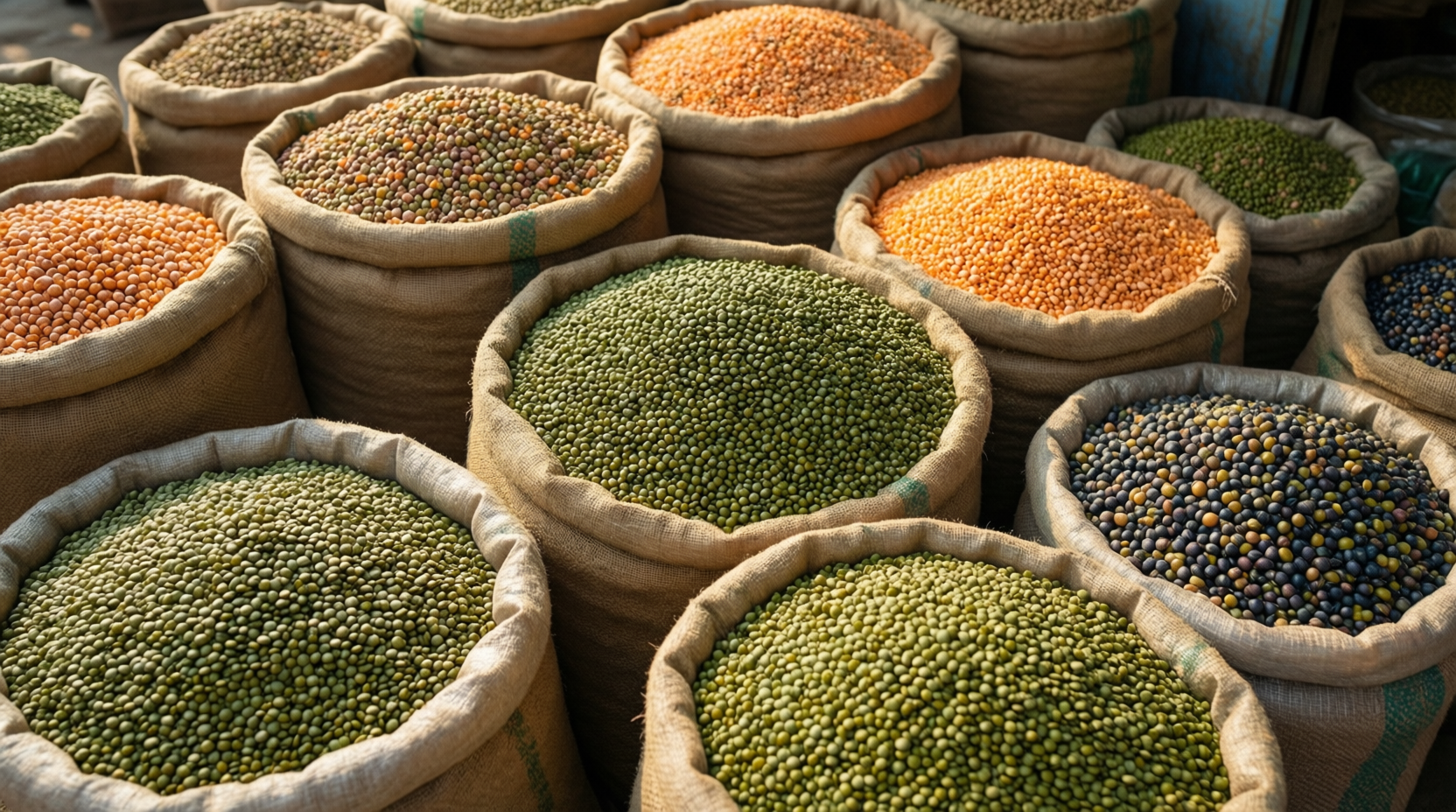
- Rice varieties and pulses with increasing niche market presence.
How does the delegation capitalize on recent trade agreements like the India-UK FTA?
The delegation highlights duty-free opportunities to European partners and exporters, encouraging uptake of preferential tariffs. It also focuses on creating awareness about compliance requirements for Indian exporters to leverage such FTAs fully, fostering exports not only to the UK but also as a gateway to European markets.
What role do Spain, Belgium, and Finland play in India's agro-export strategy?
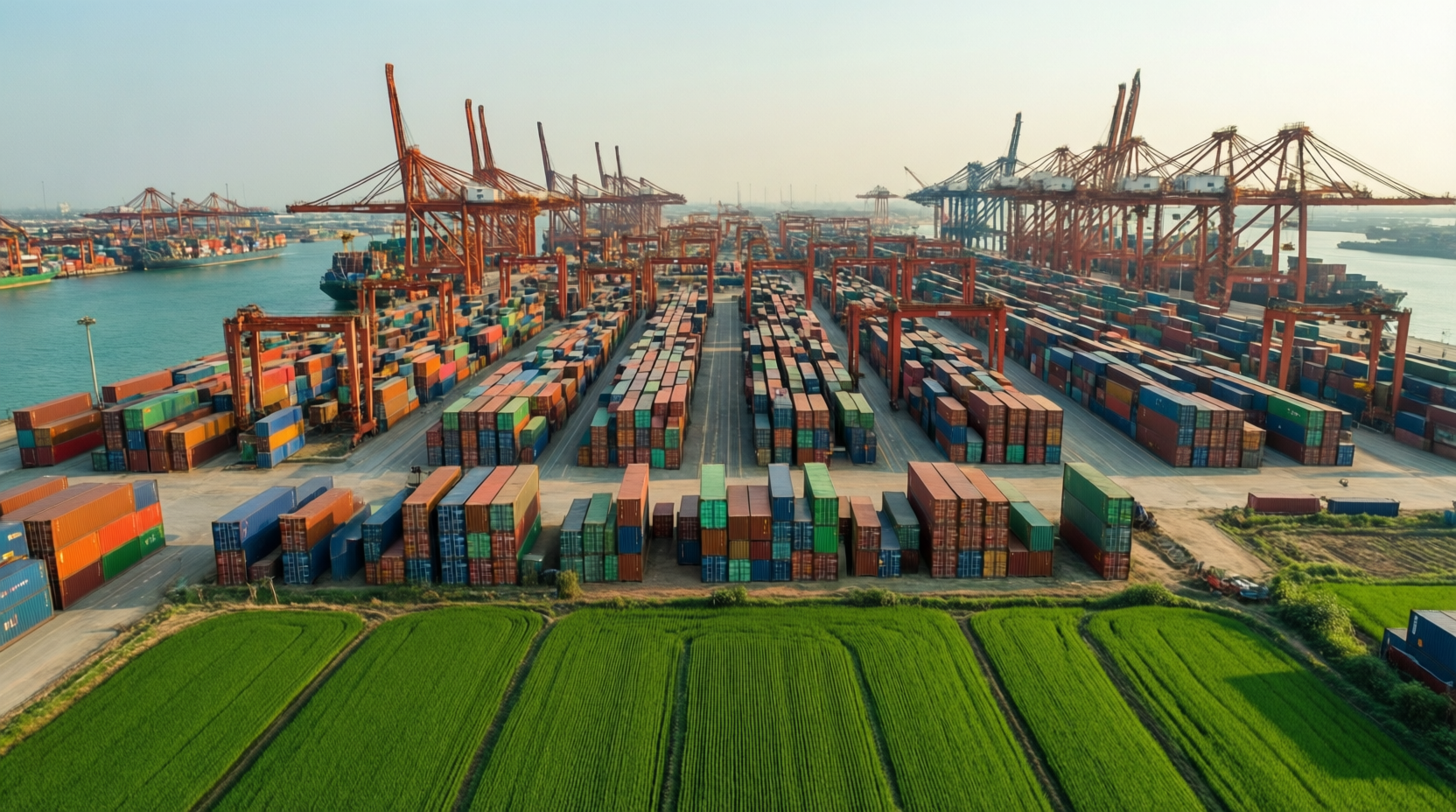
Spain offers a strategic entry to Mediterranean markets with its demand for exotic fruits and spices. Belgium, as a logistics hub with major ports, is key for distribution across Europe, while Finland contributes innovation in agri-tech and sustainable farming practices. Engaging these countries builds a comprehensive network across the continent.
"This delegation is a crucial milestone towards deepening the India-Europe agro partnership, allowing us to overcome challenges and collaboratively unlock new avenues of growth in exports and investment." – Piyush Goyal
Strategic Insight
Delegations like this not only open market doors but strengthen bilateral trust, crucial for sustained agro trade growth amid shifting global dynamics.
Key takeaways
- India's July 2026 delegation to Europe led by Commerce Minister Piyush Goyal focuses on expanding agro-export ties and investment.
- The delegation targets trade barriers, market access, and sustainable agricultural collaborations with Spain, Belgium, and Finland.
- Leveraging India-UK FTA and EU standards compliance is central to capturing European agro market potential.
- Spain, Belgium, and Finland play strategic roles in market access, logistics, and innovation for India's agro exports.
Frequently asked questions
What is the purpose of India's 2026 trade delegation to Europe?
The delegation aims to strengthen agro-export partnerships, address trade challenges, and attract European investment to India's agricultural sector.
Which European countries are included in the delegation's visit?
The delegation visits Spain, Belgium, and Finland to engage with business and government stakeholders in the agro sector.
How does the India-UK Free Trade Agreement impact agro exports?
The India-UK FTA, effective July 2026, allows Indian agro products to enter the UK duty-free, enhancing competitiveness and export volumes.
What agro products from India have growth potential in Europe?
Products such as organic spices, processed fruits, specialty nuts, rice, and pulses are seeing increasing demand in European markets.
How do business delegations facilitate agro-investment flows?
By enabling direct interaction, showcasing opportunities, and resolving regulatory or logistical issues, delegations encourage joint ventures and funding in agro-export infrastructure.
- Written and reviewed by our in-house trade experts — not AI-generated filler.
- Market figures come from live platform data across thousands of verified trades.
- Every buyer and supplier on The Trade Union is identity- and document-verified.
- Guides are updated as regulations and market conditions change.