On this page
- What factors contributed to India's 2.8% agricultural export growth in 2025-26?
- How did Indian pulses contribute to export success in 2025-26?
- What role did plantation products play in India's export growth?
- How has market diversification impacted Indian agricultural exports?
- What is the significance of the India-Oman CEPA for agricultural exports?
- Which new export milestones have India’s agro sectors achieved recently?
- What challenges remain for Indian agro-exporters despite the growth?
- Key takeaways
- FAQ
India's agricultural export sector achieved remarkable milestones in the fiscal year 2025-26, led notably by pulses and plantation products. Despite challenges such as rice export declines, these sectors drove overall export growth, supported by new trade partnerships and an expanding global footprint. This article highlights the success stories that exemplify India's agro-export prowess and the factors behind this dynamic growth.
What factors contributed to India's 2.8% agricultural export growth in 2025-26?
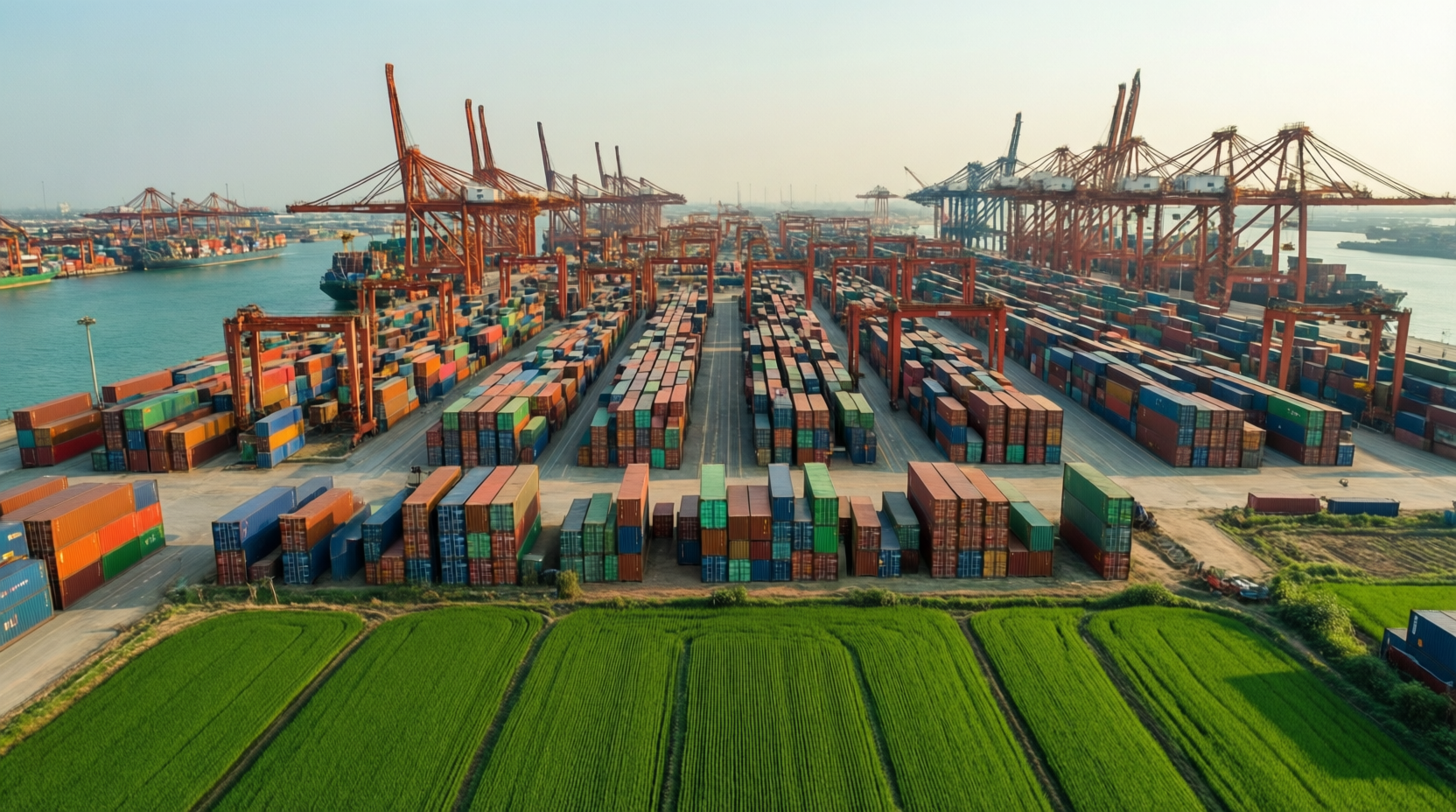
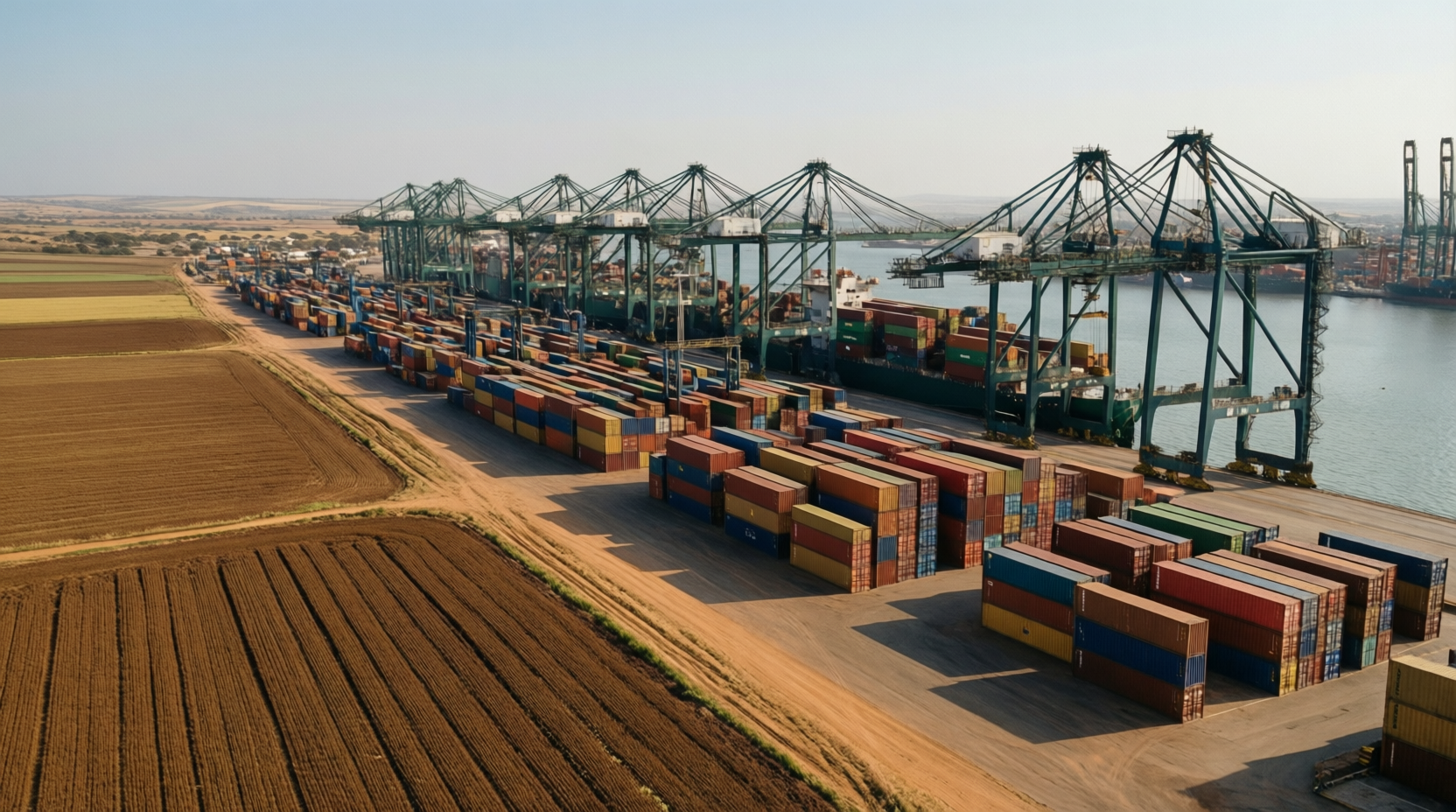
India's agricultural exports rose to $52.55 billion in 2025-26, up 2.8% year-on-year. This growth was propelled mainly by strong performance in marine products, plantation crops, pulses, fresh fruits, and vegetable oils. Despite a 7.5% drop in rice exports due to geopolitical tensions, India diversified its export markets successfully—targeting countries like the UAE, Iraq, the Netherlands, Bangladesh, and Malaysia with key commodities such as grapes, mangoes, onions, and mixed vegetables.
How did Indian pulses contribute to export success in 2025-26?
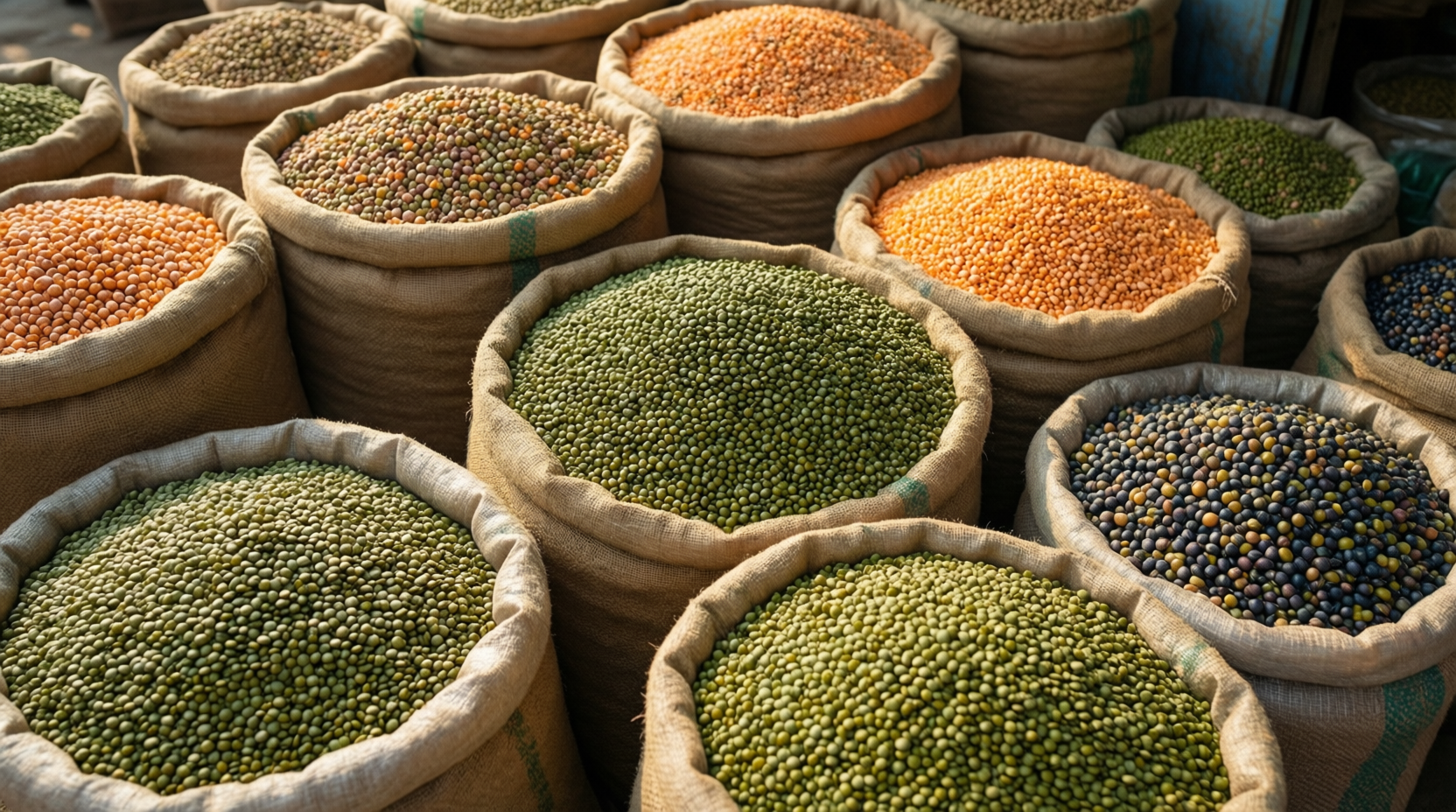
Pulses remained a critical export commodity, with consistent demand in global markets. India's diversified pulses export portfolio benefited from enhanced quality standards and efficient supply chains. These factors, combined with growing international awareness about plant-based proteins, helped India maintain its position as a leading global pulses exporter during 2025-26.
What role did plantation products play in India's export growth?
Plantation products, including tea, coffee, spices, and rubber, significantly contributed to India's agro-export growth. Rising global demand, better value addition, and expanded market access through strategic agreements bolstered exports. These sectors not only added volume but also enhanced the value of India's agricultural export basket in 2025-26.
How has market diversification impacted Indian agricultural exports?
The decline in rice exports due to geopolitical factors prompted India to diversify its export destinations effectively. Countries like the UAE, Iraq, the Netherlands, Bangladesh, and Malaysia became key markets for various Indian fruits, vegetables, and processed products. This purposeful diversification reduced dependency risks and opened new avenues for exporters.
What is the significance of the India-Oman CEPA for agricultural exports?
The India-Oman Comprehensive Economic Partnership Agreement (CEPA) has been instrumental in facilitating new export opportunities, highlighted by the first shipment of fresh litchis from Punjab to Oman in 2026. This trade agreement not only strengthens bilateral ties but also offers Indian farmers and exporters enhanced access to Middle Eastern markets, promoting higher incomes and export diversification.
Which new export milestones have India’s agro sectors achieved recently?
A notable milestone was the inaugural export of fresh litchis from Hoshiarpur, Punjab, to Oman, leveraging the India-Oman CEPA. This event symbolises India’s expanding agricultural export frontiers and reflects the strong government and industry efforts in opening niche and high-value markets for Indian products in 2025-26.
What challenges remain for Indian agro-exporters despite the growth?
Challenges such as geopolitical tensions affecting traditional markets, infrastructural constraints, and global trade uncertainties persist. Exporters must continue innovating in product quality, supply chain efficiency, and market diversification to sustain growth momentum beyond 2025-26.
"India's pulses and plantation sectors exemplify how strategic diversification and trade partnerships can drive sustainable agro-export growth, even amid global uncertainties." – Anil Mehta, Agro-export Industry Analyst
Pro Tip for Exporters
Exporters aiming to capitalize on India's agricultural strengths should focus on niche products, understand international market demands, and leverage new trade agreements to boost their global reach and profitability.
Key takeaways
- India's agricultural exports reached a record $52.55 billion in 2025-26, driven by pulses, plantation products, and marine exports.
- Successful market diversification to the UAE, Iraq, the Netherlands, Bangladesh, and Malaysia offset declines in rice exports.
- The India-Oman CEPA enabled fresh litchi exports to Oman, marking a milestone in expanding trade agreements.
- Pulses and plantation products showcased strong global demand, enhancing India's agro-export value and volume.
Frequently asked questions
What drove the growth of Indian agricultural exports in 2025-26?
Strong performances in pulses, plantation products, marine exports, and market diversification led to a 2.8% growth, reaching $52.55 billion.
How did India diversify its agricultural export markets recently?
India expanded exports to the UAE, Iraq, the Netherlands, Bangladesh, and Malaysia, reducing reliance on traditional markets affected by geopolitical tensions.
What impact has the India-Oman CEPA had on agro exports?
The agreement facilitated new export opportunities like the first fresh litchi shipment to Oman, enhancing farmer incomes and trade links.
Why are pulses important for Indian exports?
Pulses have high global demand due to growing interest in plant-based proteins, making them a consistent and valuable export commodity for India.
What challenges do Indian agro-exporters face in maintaining growth?
Challenges include geopolitical risks, infrastructure limitations, and trade uncertainties, requiring innovation and strategic diversification.
- Written and reviewed by our in-house trade experts — not AI-generated filler.
- Market figures come from live platform data across thousands of verified trades.
- Every buyer and supplier on The Trade Union is identity- and document-verified.
- Guides are updated as regulations and market conditions change.