On this page
- What factors contributed to South Africa's record agro-export growth in 2025?
- What sustainability challenges does South Africa’s agriculture sector face amid export growth?
- How are environmental trade impacts influencing South African agro-exports?
- What role does export diversification play in addressing sustainability?
- What strategies can South African agro-exporters adopt for sustainable growth?
- Key takeaways
- FAQ
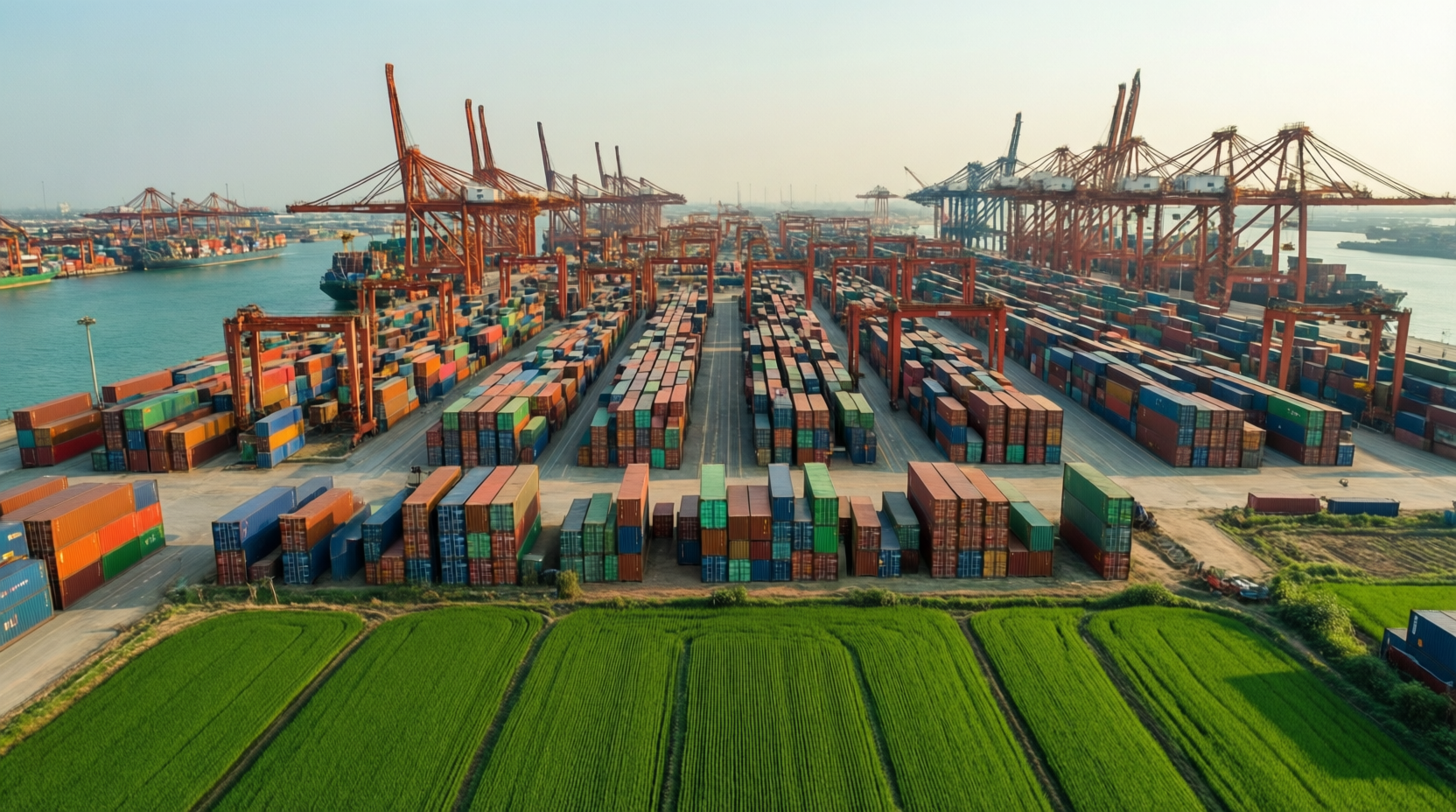
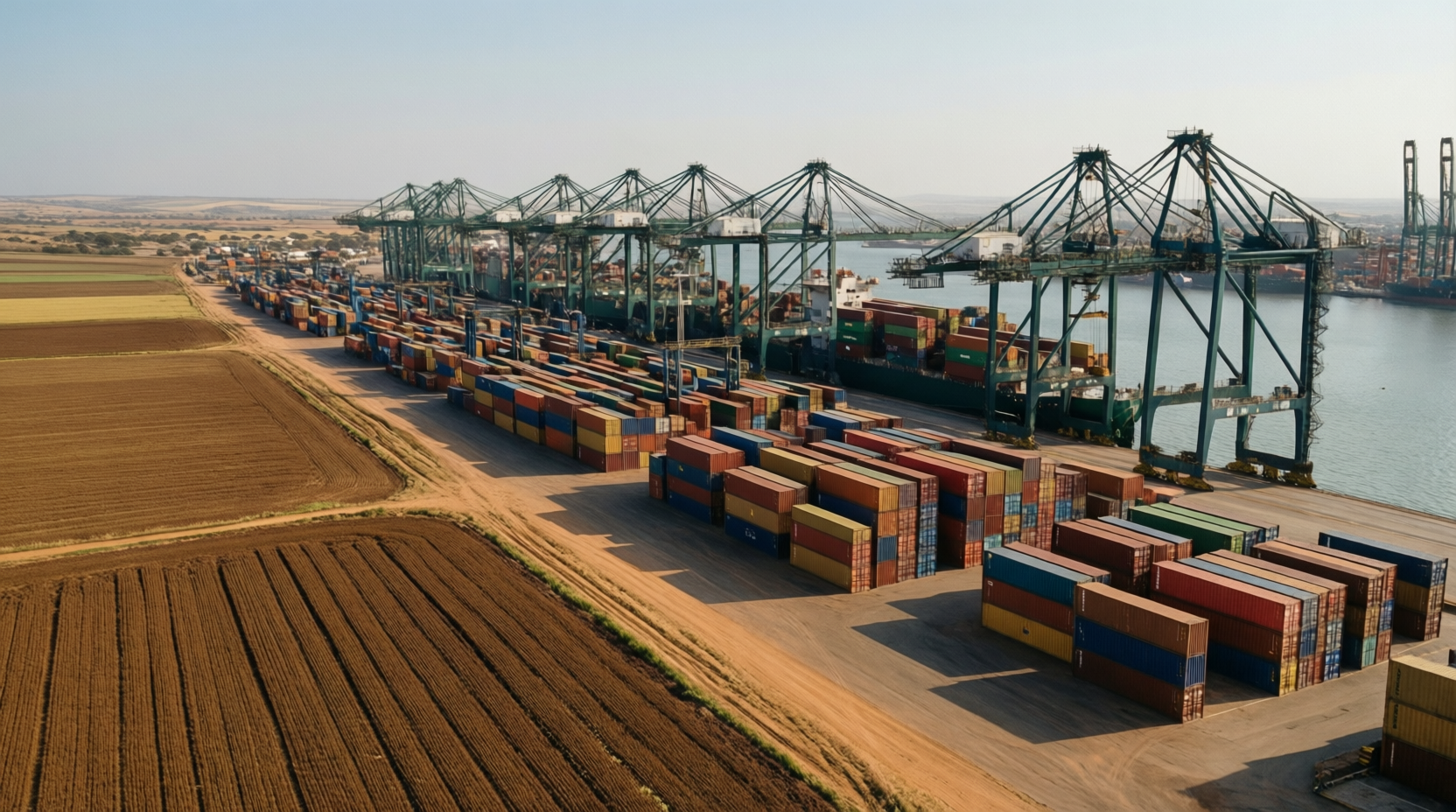
South Africa’s agricultural sector achieved a remarkable milestone in 2025, with exports reaching a record $15.1 billion, driven by robust global demand and improved trade dynamics. While this export boom signals economic progress, it concurrently exposes critical sustainability challenges that could hinder the sector’s future growth and environmental stewardship.
What factors contributed to South Africa's record agro-export growth in 2025?
South Africa's agro-export growth was fueled by diversified product offerings, increased demand in key global markets, and cost-efficiencies stemming from lower input prices. Despite global trade tensions and tariff fluctuations—such as a 36% decline in exports to the U.S. due to higher tariffs—the sector managed to grow exports by 10% from 2024. Import cost reductions further improved the trade surplus, reaching $1.55 billion in Q1 2026.
What sustainability challenges does South Africa’s agriculture sector face amid export growth?
Sustainability challenges include strain on natural resources such as water and soil, environmental degradation, and challenges related to climate change impact. Intensive farming practices to meet export demand can lead to reduced biodiversity and increased carbon footprint. Additionally, effective resource management and compliance with evolving international environmental standards remain concerns for sustainable development.
How are environmental trade impacts influencing South African agro-exports?
Environmental trade impacts involve balancing export growth with ecological preservation. International buyers increasingly demand sustainably sourced products, impacting market access. South Africa must align with green trade policies and certifications to maintain competitiveness. This shift pressures exporters to adopt environmentally friendly practices and improve supply chain transparency.
What role does export diversification play in addressing sustainability?
Diversifying export markets and products reduces dependency on vulnerable sectors and geographies, lowering environmental pressures concentrated in specific farming systems. For instance, Southern Africa's agricultural trade surplus grew partly due to broader market outreach beyond the U.S. Diversification also allows adoption of crops with lower environmental footprints, supporting sustainable growth.
What strategies can South African agro-exporters adopt for sustainable growth?
- Implement water-efficient irrigation and farming techniques to conserve resources.
- Adopt regenerative agricultural practices to restore soil health and biodiversity.
- Invest in eco-friendly supply chain technologies and certifications to meet global demand.
- Engage in policy dialogue to balance export incentives with environmental regulations.
- Expand into value-added and climate-resilient crops for market differentiation.
"Sustainability is no longer a choice but a necessity for South Africa’s agro-export sector to ensure prosperity and ecological balance co-exist." – Wandile Sihlobo, Agricultural Economist
Sustainability at the forefront of export growth planning
While South Africa’s agricultural exports have reached unprecedented highs, integrating sustainability into growth policies is crucial for preserving natural resources and securing future export opportunities.
Key takeaways
- South Africa's agro-exports hit a record $15.1 billion in 2025, growing 10% year-on-year despite global trade headwinds.
- Sustainability challenges such as resource depletion and environmental degradation threaten long-term sector growth.
- Export diversification and adoption of green farming practices are vital strategies for sustainable growth.
- Meeting increasing environmental standards is essential for maintaining international market access.
Frequently asked questions
Why did South Africa's agricultural exports grow strongly in 2025?
Exports grew due to diverse product offerings, expanded global demand, especially outside the U.S., and cost efficiencies from lower input prices, despite some tariff-related setbacks.
What are the main sustainability concerns for South Africa's agro-exports?
Concerns include water scarcity, soil degradation, climate change impacts, and the need to meet stricter international environmental standards to ensure sustainable production.
How can exporters balance growth with environmental sustainability?
By adopting water-efficient irrigation, regenerative agriculture, eco-friendly certifications, and diversifying crops and markets to reduce environmental impact.
What impact do environmental trade policies have on South African agriculture?
They require exporters to align with global sustainability criteria to retain market access, encouraging greener farming practices and greater supply chain transparency.
What role does export diversification play in sustainability?
Diversification mitigates risks linked to specific markets or crops and allows the sector to shift toward lower-impact products, thereby supporting sustainable export growth.
- Written and reviewed by our in-house trade experts — not AI-generated filler.
- Market figures come from live platform data across thousands of verified trades.
- Every buyer and supplier on The Trade Union is identity- and document-verified.
- Guides are updated as regulations and market conditions change.