On this page
- What were the primary commodities driving South Africa’s agricultural export growth in Q1 2026?
- How did commodity prices affect export values during this period?
- What logistical challenges impacted South African agricultural exports in Q1 2026?
- How did exporters adapt their logistics strategies to overcome port challenges?
- What role did export regulations and trade agreements play in shaping Q1 2026 export performance?
- How competitive is South Africa compared to other African agricultural exporters?
- What are the future trends and outlook for South African agricultural exports beyond Q1 2026?
- Key takeaways
- FAQ
In the first quarter of 2026, South Africa’s agricultural exports achieved an unprecedented milestone, surging 11% to reach a record US$3.7 billion. This growth came amid persistent logistical challenges, notably port congestion at Cape Town, compelling exporters to innovate their supply chain approaches. Understanding the factors behind this boom reveals key insights into commodity dynamics, pricing trends, and future market trajectories.
What were the primary commodities driving South Africa’s agricultural export growth in Q1 2026?
Fruit and nut exports were the main engines of South Africa’s export surge in Q1 2026. Citrus varieties, deciduous fruits like apples and pears, and an increasing volume of nuts—including macadamias and pecans—contributed to a record export value of R67 billion (about US$3.7 billion). These commodities benefited from strong demand in European and Asian markets, reflecting a growing appetite for fresh produce and premium nuts.
How did commodity prices affect export values during this period?
Higher commodity prices complemented volume growth to elevate total export earnings. Market tightening globally, especially in premium fruit segments, allowed exporters to command better prices. Factors such as favorable seasonal yields in competing countries, currency fluctuations, and increased costs of inputs bolstered price levels, contributing to the overall 11% boost in value compared to the previous year.
What logistical challenges impacted South African agricultural exports in Q1 2026?
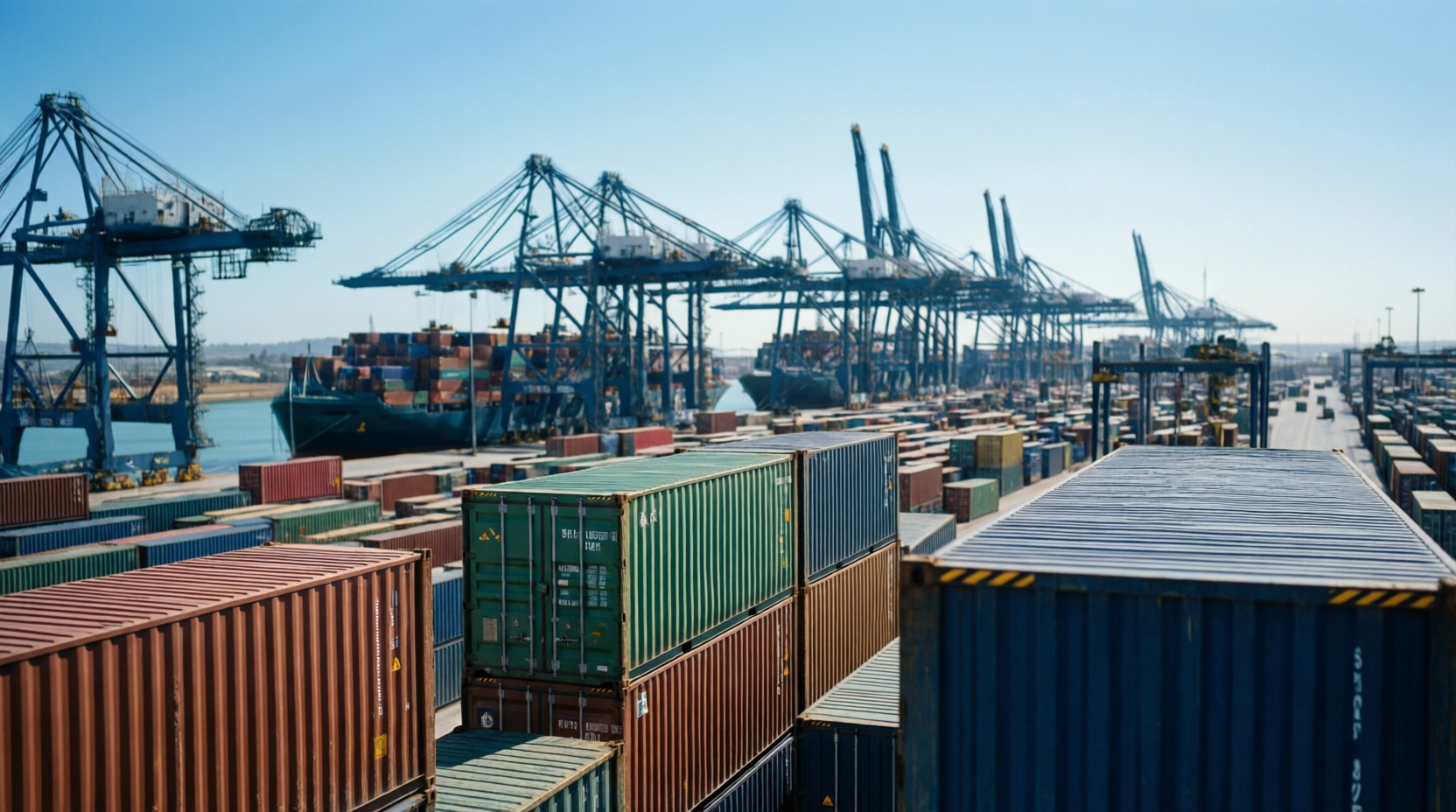
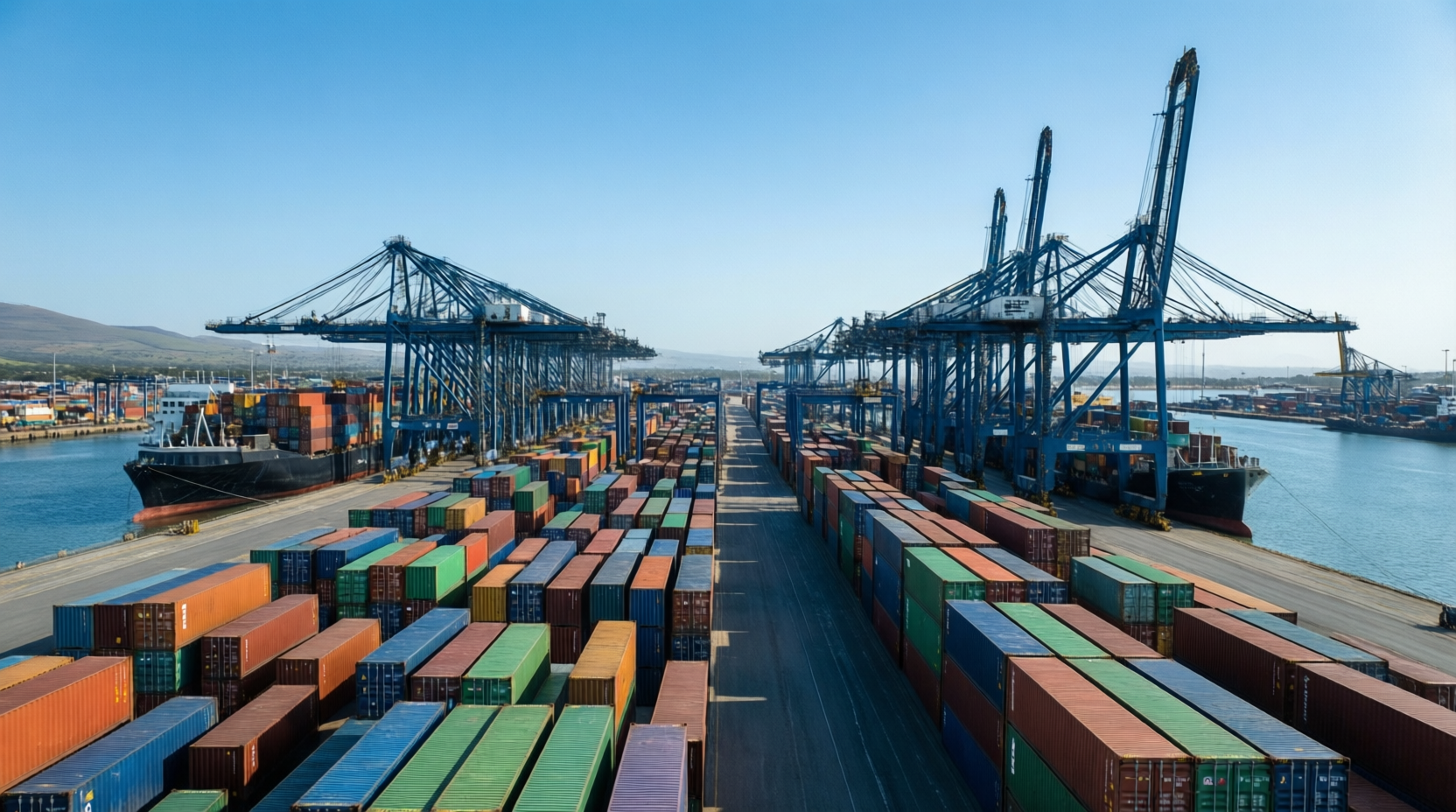
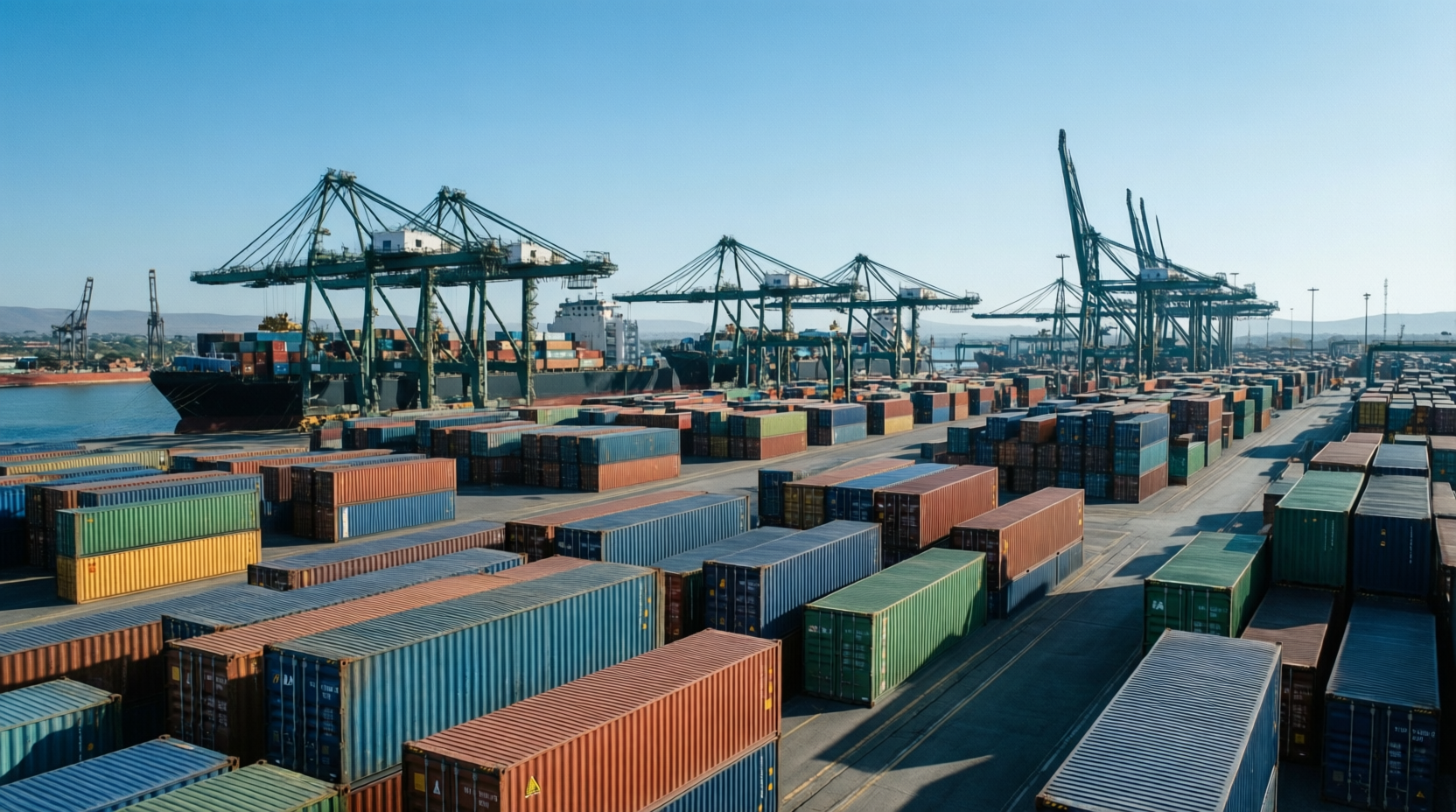
Exporters faced significant congestion and delays at the Port of Cape Town, the country’s primary gateway for fruit and nut shipments. These logistical bottlenecks included vessel scheduling delays, limited container availability, and labor shortages, which complicated timely shipment and compliance with freshness standards, critical for perishable exports.
How did exporters adapt their logistics strategies to overcome port challenges?
- Rerouting shipments through Eastern Cape ports such as Port Elizabeth and Ngqura to alleviate congestion pressure on Cape Town port.
- Investing in improved cold chain infrastructure inland to maintain product quality over longer transport durations.
- Collaborating closely with freight forwarders and shipping lines to optimize container allocation and scheduling.
- Leveraging technology for real-time tracking and adaptive scheduling to minimize delays and spoilage risks.
What role did export regulations and trade agreements play in shaping Q1 2026 export performance?
A stable regulatory environment and expanding trade agreements contributed positively. While South Africa did not introduce major new export incentives in Q1 2026, ongoing preferential access to European and Asian markets under existing trade agreements maintained demand. Moreover, China’s opening of its coffee market to African producers signaled opportunities for diversification, although coffee exports make a smaller share currently.
How competitive is South Africa compared to other African agricultural exporters?
South Africa leads the continent in diversified fruit and nut exports with established quality standards and logistics networks, maintaining an edge over competitors like Morocco and Nigeria, which face export restrictions or focus on raw commodity processing. Meanwhile, Russia’s increased agricultural exports to Africa and China’s coffee market opening introduce new competition, but South Africa’s premium produce positioning remains strong.
What are the future trends and outlook for South African agricultural exports beyond Q1 2026?
Looking ahead, exporters may continue to face logistical constraints, requiring further investments in port capacity and transportation infrastructure. Demand for high-value commodities like fruits and nuts is expected to remain robust, supported by global health and sustainability trends. Diversification into new markets like China for coffee and expanding processed agricultural goods offers growth avenues. Weather variability and geopolitical shifts will warrant close monitoring for export resilience.
Adaptability Amidst Challenges
South Africa’s ability to maintain export momentum amidst port delays demonstrates resilience and adaptability. Strategic redirection of freight routes and focus on premium commodity segments are key lessons for exporters navigating complex trade environments.
Key takeaways
- South Africa’s agricultural exports rose 11% in Q1 2026 to US$3.7 billion, led by fruits and nuts.
- Higher commodity prices complemented volume growth to boost overall export value.
- Port of Cape Town congestion posed significant logistical challenges, prompting rerouting through Eastern Cape ports.
- Exporters invested in cold chain and supply chain agility to maintain quality and meet demand.
- Future growth hinges on continued logistics improvements and market diversification.
Frequently asked questions
What commodities led South Africa’s agricultural export growth in Q1 2026?
Fruits such as citrus, apples, pears, and nuts like macadamias and pecans were the main contributors to South Africa’s export growth during Q1 2026.
How did logistics challenges affect South African exports in early 2026?
Port congestion at Cape Town caused delays and container shortages, prompting exporters to redirect shipments through alternative Eastern Cape ports to mitigate impact.
Did commodity prices influence South Africa’s export performance in Q1 2026?
Yes, rising global commodity prices for premium fruits and nuts helped increase South Africa’s agricultural export values alongside volume gains.
What opportunities exist for South African agricultural exporters beyond traditional markets?
China’s opening of its coffee market to African countries presents new prospects, alongside potential growth in processed agricultural product exports.
How are South African exporters adapting to supply chain disruptions?
By enhancing inland cold storage, leveraging technology for shipment tracking, and collaborating with freight providers to optimize routing and reduce delays.
- Written and reviewed by our in-house trade experts — not AI-generated filler.
- Market figures come from live platform data across thousands of verified trades.
- Every buyer and supplier on The Trade Union is identity- and document-verified.
- Guides are updated as regulations and market conditions change.